

Newsletter Articles
Fire-Wise Landscaping and Fire-Resistant Plants for SoCal
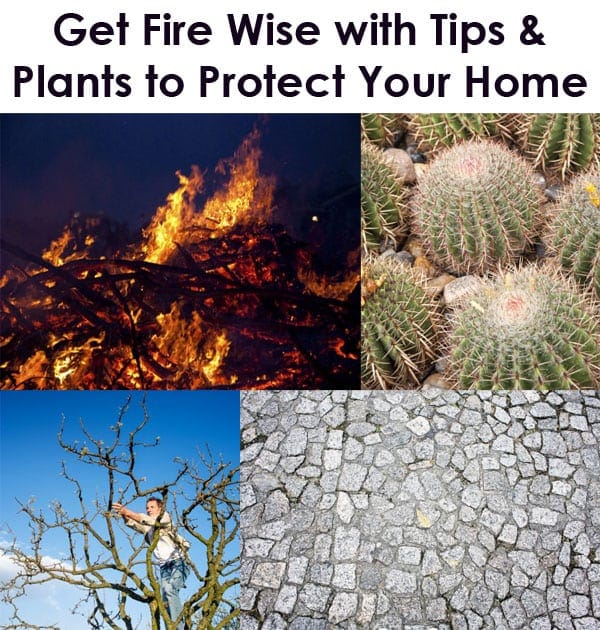
In Southern California fire country, the landscaping around your home can either feed a wildfire or help stop it. Fire-wise landscaping means creating defensible space in zones around the house, keeping the first few feet next to the walls noncombustible, choosing well-spaced and well-watered fire-resistant plants, and keeping everything pruned and clear of dead material, because no plant is truly fireproof.
Quick answer: Create 100 feet of defensible space in three zones, keep the first 5 feet noncombustible, choose well-spaced and well-watered fire-resistant plants, and maintain everything, since no plant is fireproof.
- California requires 100 feet of defensible space around a home, organized by Cal Fire into Zone 0, Zone 1, and Zone 2.
- Zone 0, the first 5 feet, should be noncombustible: gravel, pavers, or stone, with no bark or wood mulch.
- No plant is fireproof; fire-resistant plants have high moisture and low oil or resin, and only stay that way if maintained.
- Space plants apart and prune them so fire cannot climb or jump from one to the next.
- Keep plants hydrated and remove dead leaves and needles from the yard, roof, and gutters.
- Water-wise is fire-wise: a hydrated, well-kept landscape is far harder to ignite.
| Zone | Distance from the home | What to do |
|---|---|---|
| Zone 0, ember-resistant | 0 to 5 feet | Keep it noncombustible: gravel, pavers, or stone, no bark or wood mulch. |
| Zone 1, lean and green | 5 to 30 feet | Space and prune plants, remove dead material, keep it well watered. |
| Zone 2, reduced fuel | 30 to 100 feet | Thin vegetation and space trees and shrubs to break up fuel. |
What Fire-Wise Landscaping and Firescaping Mean
Fire-wise landscaping, sometimes called firescaping, is simply designing and maintaining the area around your home so it resists wildfire instead of fueling it. Cal Fire calls that managed area defensible space, the zone around a structure where vegetation and other fuels are kept in check to slow or stop a fire, reduce the heat reaching the house, and give firefighters a safer place to defend the property.[1] In California, 100 feet of defensible space around a home is required by law, and Cal Fire organizes it into three zones working outward from the walls.[1] If your property is on a slope, fire moves faster uphill and the spacing rules tighten, so see our companion guide to fire-safe planting for hillside homes for the steeper-slope details.
Defensible Space, Zone by Zone
Each zone has its own job. Zone 0, the ember-resistant zone, is the first 5 feet closest to the house and decks; Cal Fire considers it the most important area because it is the spot most likely to be hit by the wind-blown embers that ignite most homes, so it should be kept clear of anything that burns.[2] Zone 1 runs from 5 to 30 feet and should be lean, clean, and green, with plants spaced and pruned and dead material removed. Zone 2 reaches from 30 to 100 feet and is the reduced-fuel zone, where you thin vegetation and keep trees and shrubs spaced apart; as a baseline on flat ground, Cal Fire suggests removing tree branches at least 6 feet from the ground and keeping horizontal space between tree canopies, with wider spacing on slopes.[2] One note: Zone 0 is strongly recommended by Cal Fire, though the formal regulation for it is still being finalized, so treat it as essential best practice.
Hardscaping and Mulch Near the House
The single highest-value change most homeowners can make is in that first 5 feet. Cal Fire advises keeping Zone 0 noncombustible by using hardscape such as gravel, pavers, flagstone, or concrete, and crucially using no combustible bark or wood mulch right against the house, since embers landing in bark mulch can ignite the wall.[1] Research by the Insurance Institute for Business and Home Safety supports this, finding that keeping the first 5 feet around a structure free of combustible material significantly improves a home’s odds of surviving a wildfire.[3] Move woodpiles, patio furniture cushions, and container plants in combustible pots out of this strip during fire season, and save your planting beds for a little farther from the walls.
Choose Fire-Resistant Plants (No Plant Is Fireproof)
Start with the most important rule: there is no such thing as a fireproof plant. Oregon State University Extension puts it plainly that fire-resistant does not mean fireproof, and even fire-resistant plants will burn if they are not well maintained, while Colorado State University Extension agrees there are no truly fireproof plant species.[4][5] What you are looking for instead are low-flammability traits: Oregon State and Colorado State describe fire-resistant plants as those with high moisture content in the leaves, low oil, resin, or wax, an open and loose branching habit, and little dead wood, and Colorado State notes that a plant’s moisture content is the single most important factor in how readily it burns.[5] UC Master Gardeners point to well-watered California natives such as toyon, coffeeberry, and California lilac as fire-smart choices for our region, though even these depend on upkeep.[6] Before you plant anything, confirm it suits your site and is not invasive in California by checking the Cal-IPC inventory.[7] Drought-tolerant natives pair well with this approach; see our guides to drought-tolerant plants and plants that stay green all year, and our wildfire-season plant picks.
Keep It Maintained
A fire-wise landscape stays fire-wise only if you keep it up, because maintenance matters as much as plant choice. Cal Fire advises removing dead leaves, pine needles, and debris from the yard, roof, and gutters, and trimming overhanging branches well away from the house and at least 10 feet from chimneys.[2] Keep plants hydrated, since Colorado State University Extension notes that a landscape must be maintained to keep its low-flammability properties and that higher moisture content makes plants harder to ignite.[5] Space plants apart and prune out dead wood so fire cannot climb from the ground into a shrub or jump from one plant to the next, and give your plants a healthy root zone to draw on with good soil.
Fire-Wise Landscaping FAQ
What is a firescaped property?
It is a property with managed defensible space, which Cal Fire organizes into Zone 0 (0 to 5 feet), Zone 1 (5 to 30 feet), and Zone 2 (30 to 100 feet), where vegetation and other fuels are placed and maintained to slow a fire, lower the heat on the home, and give firefighters a defendable area.[1]
Are any plants fireproof?
No. Oregon State University Extension states that fire-resistant does not mean fireproof and that even fire-resistant plants will burn if they are not well maintained, and Colorado State University Extension agrees there are no truly fireproof species.[4][5]
What plants are fire-resistant?
Plants with high moisture content, low oil or resin, an open branching habit, and little dead wood, as Colorado State and Oregon State describe, rather than any fixed list.[5] UC Master Gardeners suggest well-watered California natives like toyon and coffeeberry, kept maintained.[6]
How far should defensible space extend?
100 feet in California, which is required by law, organized by Cal Fire into Zone 0 at 0 to 5 feet, Zone 1 at 5 to 30 feet, and Zone 2 at 30 to 100 feet.[1]
Does irrigation help with fire safety?
Yes. Colorado State University Extension notes that moisture content is the single most important factor in how readily a plant burns, so hydrated, well-maintained plants are harder to ignite.[5] It is not a substitute for spacing and dead-material removal.