

Newsletter Articles
Christmas Trees Are Here: Fresh Cut Varieties, Sizes, and Care Tips
Written by Marge B.
Quick answer: Fresh cut Christmas trees are here at all five Green Thumb Nursery locations across Southern California, in sizes from about 2 to 12 feet. Fir varieties like Fraser, Noble, Grand, Nordmann, and Douglas fir lead the lineup, and we also carry living trees you can plant after the holidays. Ask us to trim a fresh half inch off the trunk, get your tree into plain water within the hour, and a fir can stay fresh for four weeks or more [9].
Since 1946 Green Thumb Nursery has been a favorite of Southern California gardeners, and our five convenient locations plus online shopping make it easy to order garden plants, supplies, and gifts. Convenient for the holidays, Green Thumb gift cards are available online for the plant lovers on your shopping list.
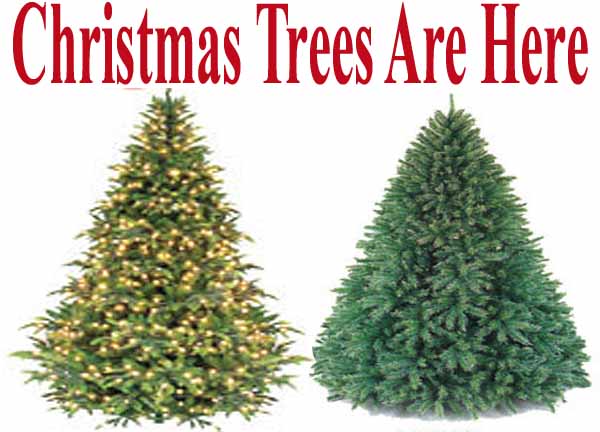
The holidays are rapidly approaching, and for many people an evergreen tree makes the season feel truly festive. And if there is going to be a real tree, what kind? Every holiday season Green Thumb Nursery carries a variety of fresh cut Christmas trees in a wide assortment of sizes, ranging from about 2 to 12 feet, along with living trees that you plant after the holidays. Christmas tree inventory may vary at different Green Thumb locations, so call your local store if you have your heart set on a particular variety or size.
Fir, Pine, or Spruce? How to Tell Christmas Tree Types Apart
The main types of Christmas trees are pine, fir, and spruce, and your fingers can tell them apart in seconds. Pine needles grow in bundles of two, three, or five. Spruce needles are four sided, and they roll easily between your fingers. Fir needles are softer and flat, and they will not roll between your fingers at all [1]. By tradition, pines have been associated with the Christmas season as a symbol of strength and of the new life that returns in spring.
Spruce trees belong to a family of approximately 35 species of evergreen conifers found across the northern hemisphere [2]. Typically spruce trees grow in cool climates, but they are adaptable and available throughout the United States, and spruce has always been an important wood for the lumber and paper industries. Early American settlers made medicines from the bark and used young spruce trees to build canoes. Spruce wood went on to carry the sound in many pianos and violins, and Sitka spruce provided most of the wood for the structural parts of World War I and II aircraft [3]. You can read more tree lore in our fun facts and history about winter holiday plants.
Fresh Cut Christmas Tree Varieties at Green Thumb
A few of the trees that you can find at Green Thumb include the Fraser fir with its dark green needles, the Grand fir with its wonderful fragrance, the Noble fir with blue green needles and strong, sturdy branches, the Nordmann fir with soft needles, and the classic Douglas fir, known for its compact, lavish soft needles. The Fraser fir is one of the most popular and best selling Christmas trees in Southern California, and the Christmas tree industry has ranked it the number one Christmas tree species in the country [4].
| Variety | Look and feel | Fragrance | Needle retention |
|---|---|---|---|
| Fraser fir | Dark green needles with silvery undersides, stiff branches | Pleasant and long lasting [4] | Excellent, the industry favorite [4] |
| Noble fir | Blue green needles on sturdy, well spaced layered branches that make decorating easy | Mild and clean | Excellent, least likely to shed on the carpet [5] |
| Grand fir | Glossy deep green, soft needles | Smells of oranges when the needles are crushed [6] | Fair, so enjoy it fresh and keep it well watered [5] |
| Nordmann fir | Soft, blunt, glossy needles that are easy on the hands | Mild | Excellent, needles hang on and on [7] |
| Douglas fir | Soft needles all around the twig; botanically not a true fir at all | Fragrant when brushed or crushed [8] | Good, a longtime favorite in the West [5] |
In a Green Thumb newsletter, Richard Flowers, ACCNP, of our Ventura store shared why the Nordmann fir is a staff favorite: its soft needles resist shedding, and it is not as fragrant as most fir and pine trees, a plus for scent-sensitive homes.
How to Keep Your Christmas Tree Fresh
When you keep your freshly cut Christmas tree watered, it will last longer. A well cared for fir can stay fresh and fragrant for four to six weeks indoors, pines generally give you about three weeks, and spruces are the first to drop their needles, so enjoy them early in the season [9] [10].
If you plan to buy a fresh tree, ask the Green Thumb experts to trim the bottom of the tree. With a fresh Christmas tree, sap forms around the base of the trunk. This is a natural defense of the tree, but it also prevents the tree from taking in water. A fresh cut of about half an inch off the base opens the pores in the wood so the tree can drink again [11].
- Get a fresh cut. Have about half an inch trimmed off the base of the trunk right before you head home [11].
- Into water fast. Place the tree in its water filled stand within about 30 minutes of the fresh cut, before the sap reseals it [12].
- Expect serious drinking. A fresh tree may take up a full gallon of water in its first 24 hours, then about a quart per day for every inch of trunk diameter [13] [12].
- Check the stand every day. Never let the water level drop below the cut, or the trunk will seal over and need recutting [13].
- Keep it cool. Place the tree at least 3 feet from fireplaces, heaters, vents, candles, and direct sunlight [14].
An old trick suggests adding pennies to the water at the base of the tree to fight fungus and mold. Save your pennies. University extension research has found that no additive, whether aspirin, sugar, bleach, floral preservative, or a coin in the stand, works better than plain water [15] [16]. Plain tap water, checked daily, is all your tree needs.
A word on safety: a dry Christmas tree can burn very hot and very fast, and NFPA data shows an average of 155 home fires start with Christmas trees each year in the United States [17]. Daily watering is the best fire prevention there is [14].
Fresh Cut or Living Christmas Tree?
If you would rather plant your Christmas tree in the garden after the holidays, consider a living tree such as the Nordmann Fir, Norway Spruce, or Dwarf Alberta Spruce. Popular living choices at Green Thumb include the compact Dwarf Alberta Spruce, the silvery Baby Blue Spruce, the Hoopsii Blue Spruce, and the classic Colorado Spruce, all of which move happily into the landscape after the holidays.
Living trees keep different rules than cut trees. Keep a living tree indoors for only about 7 to 10 days, then transition it back outside gradually so the change in climate and temperature does not stress it [18]. A protected spot like a porch or garage for a few days on the way in and on the way out makes the move easier, and keep it watered the whole time. Some families have a tradition of planting a living Christmas tree in memory of a first Christmas shared as a couple or as a memorial to departed relatives. For varieties, pot care, and the full transition schedule, see our complete guide to potted living Christmas trees.
Trees, Wreaths, and Holiday Décor at All Five Locations
To complete your holiday decorations you can find a variety of wreaths, pillows, and decorative holiday accessories at each of the Green Thumb locations, along with holiday favorites like poinsettias and fragrant rosemary trees. Visit one of these convenient locations: our Orange County Garden Center located in Lake Forest, our San Diego Garden Center located in San Marcos, the Los Angeles Garden Centers located in Canoga Park and Santa Clarita, and our Ventura County Garden Center.
Christmas Tree FAQs
How long does a real Christmas tree last?
A well watered fir lasts about four to six weeks indoors, pines last about three weeks, and spruces drop needles the soonest [9]. The keys are a fresh cut on the trunk, water within 30 minutes, and a stand that never runs dry.
How do you keep a Christmas tree fresh longer?
Make a fresh half inch cut off the base, get the tree into water within about 30 minutes, keep the stand full every single day, and place the tree at least 3 feet from heat sources like fireplaces, heaters, and vents [11] [14]. Ask the Green Thumb experts to make the fresh cut when you buy your tree.
How often should you water a Christmas tree?
Check the stand every day. A fresh tree can drink up to a gallon of water in the first 24 hours, then about a quart per day for each inch of trunk diameter, so a tree with a 4 inch trunk may need a gallon a day [13] [12].
What should you put in Christmas tree water?
Nothing but plain water. University research shows additives like aspirin, sugar, bleach, pennies, and commercial preservatives do not keep a tree fresher than plain tap water [15] [16]. Spend your effort on daily refills instead.
What is the most popular Christmas tree?
The Fraser fir is the most popular Christmas tree in the United States, ranked number one by the Christmas tree industry for its full shape, silvery needle undersides, and excellent needle retention [4]. It is also one of the best sellers at Green Thumb Nursery every season.
What is the difference between Fraser fir and Noble fir?
Fraser fir has dark green needles with silvery undersides and a classic Christmas tree fragrance [4], while Noble fir has blue green needles on sturdy, well spaced layered branches that leave room for ornaments and are the least likely to shed needles [5]. You cannot go wrong with either one.
When should you buy a Christmas tree?
Buy as soon as fresh trees arrive at your local nursery, because early trees are the freshest and a fir kept in water stays fresh four to six weeks, easily carrying you from Thanksgiving through New Year [9]. Selection of sizes and varieties is also best early in the season.
How big does a Dwarf Alberta Spruce get?
A Dwarf Alberta Spruce grows very slowly, reaching about 3 to 4 feet tall in its first 10 years, around 6 feet after many years in the landscape, and ultimately 10 to 13 feet over several decades [19]. That slow, tidy pyramid shape is what makes it such a popular living Christmas tree; see our potted living Christmas tree guide for planting tips.
Sources
- [1] Nebraska Extension, Pine Trees or Evergreens: Identifying Conifers by Their Needles
- [2] University of Washington Botanic Gardens, All About the Genus Picea
- [3] USDA Forest Service, Fire Effects Information System: Picea sitchensis
- [4] NC State Extension Plant Toolbox, Abies fraseri (Fraser Fir)
- [5] Oregon State University, Oregonians Have Many Choices for Christmas Trees
- [6] Oregon State University Landscape Plants, Abies grandis (Grand Fir)
- [7] NC State Extension Plant Toolbox, Abies nordmanniana (Nordmann Fir)
- [8] NC State Extension Plant Toolbox, Pseudotsuga menziesii (Douglas Fir)
- [9] University of Connecticut, Which Tannenbaum? Choosing and Keeping a Christmas Tree
- [10] NC State Extension, Christmas Tree Species Profiles
- [11] NC State Extension, Maintaining the Freshness of Your Christmas Tree
- [12] UF/IFAS Extension, How to Care for a Fresh Christmas Tree
- [13] NC State Extension Pamlico County, Christmas Tree Care
- [14] U.S. Fire Administration, Holiday Fire Safety
- [15] NC State University, How to Keep Your Christmas Tree Fresh
- [16] Iowa State University Extension, Should I Add Any Material to the Water?
- [17] University of Maryland Fire Protection Engineering, Christmas Tree Fire Hazards (NFPA data)
- [18] UF/IFAS Gardening Solutions, Living Christmas Trees
- [19] NC State Extension Plant Toolbox, Dwarf Alberta White Spruce
Do you like what you see? Sign up for our weekly newsletter to get content like this every week!