

Newsletter Articles
Living (Potted) Christmas Trees: Best Types and Care for Southern California
By Richard Flowers, ACCNP, Green Thumb Nursery, Ventura
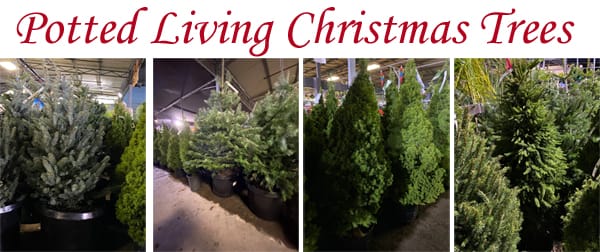
A living Christmas tree is one of the nicest holiday traditions there is: a real, growing evergreen you can decorate for Christmas and then plant in your yard instead of hauling it to the curb. Each year we bring in beautiful potted conifers, Nordmann Fir, Blue Spruce, Norway Spruce, and Dwarf Alberta Spruce among them, and customers plant them, gift them, or keep them as a living memory. But a living tree is not a houseplant, and a little know-how makes the difference between a tree that thrives for years and one that does not survive the holidays. Here is how to choose one, care for it indoors, and plant it successfully in Southern California.
Quick answer: A living (potted) Christmas tree is a real evergreen grown in a container or balled-and-burlapped, so you can decorate it indoors and then plant it or keep it in its pot. The catch: keep it indoors only about 7 to 10 days, because household warmth breaks its winter dormancy and can kill it. Put it in a cool spot away from heat, keep the root ball moist, then move it back outside. In hot Southern California, the classic firs and spruces can struggle once planted in the ground (Nordmann Fir is the most adaptable of them), so choose your type with where you will plant it in mind.
What Is a Living (Potted) Christmas Tree?
A living Christmas tree is a real evergreen sold either container-grown in a pot or balled-and-burlapped (B and B), with its root ball wrapped in fabric, so that it can be planted as a landscape tree after the holidays rather than thrown away (Clemson Cooperative Extension). That is the whole appeal: instead of a cut tree that lasts a few weeks, you get a tree you can enjoy indoors briefly and then grow on for years. The trade-off is that a living tree needs more care and planning than a cut one, because it is a dormant living plant the entire time it is in your home.
The Best Living Christmas Trees for Southern California
This is where local knowledge really matters. Most classic Christmas-tree conifers come from cold mountain climates, and true firs in particular do best near their natural mountain environment and grow slowly in hot, dry, or windy low-elevation areas (UC IPM). That does not mean you cannot enjoy them, it just means some are far better suited to planting out here than others. Here is how the popular ones compare.
| Tree | Type | Mature landscape size | Southern California adaptability | Notes |
|---|---|---|---|---|
| Nordmann Fir (Abies nordmanniana) | Fir | 30 to 50 feet | The best of these for California; tolerates hot, dry conditions better, with some shade inland | Holds its needles the best of any Christmas tree; adapts very well to long-term container life |
| Dwarf Alberta Spruce (Picea glauca ‘Conica’) | Dwarf spruce | 4 to 8 feet (very slow) | Fussy in heat; wants cool summers and part shade in hot spots | Excellent container or topiary specimen; forest scent when brushed |
| Norway Spruce (Picea abies) | Spruce | 100 to 150 feet | Takes heat and wind better than other spruces, but has some setbacks here | Classic pyramid when young; lower branches droop with age |
| Blue Spruce (Picea pungens) | Spruce | 50 to 75 feet | Struggles in lowland heat: smaller, slower, and short-lived in the ground; better kept in a container | Rocky Mountain native with striking blue needles |
My pick, and the one I save for last because it is the most adaptable in California, is the Nordmann Fir. It tolerates our heat and dryness better than the others, holds its needles beautifully, and takes to long-term container culture well, which is handy if you have heavy clay soil. The spruces will generally survive here but often lack their full vigor; Blue Spruce in particular tends to grow smaller, slower, and shorter-lived in the ground than it would in the Rockies, so it is happiest in a pot. One honest note: if your real goal is a permanent evergreen in the SoCal landscape, a climate-adapted conifer such as deodar or incense cedar (which do fine across California with a few deep summer waterings) is an easier long-term bet than a mountain fir or spruce (UC IPM).
How Long Can a Living Christmas Tree Stay Indoors?
This is the single most important rule, so I will put it plainly: keep a living Christmas tree indoors for no more than about 7 to 10 days (Iowa State University Extension). The reason is biology: the tree is dormant for winter, and the warmth of your home tricks its buds into breaking dormancy and pushing tender new growth. When the tree then goes back outside into the cold, that succulent growth is damaged, and a longer stay indoors can lead to the death of the tree (Clemson Cooperative Extension). The honest truth is that the less time it spends inside, the better its odds. If you can, display it for just a few days right around Christmas.
How to Care for a Living Christmas Tree Indoors
While it is inside, your whole job is to keep it cool and moist so it stays dormant and does not dry out. Place it in the coolest spot you can, away from heat vents, fireplaces, and direct sun, and decorate it only with LED or small low-temperature lights rather than older heat-generating bulbs (Clemson Cooperative Extension). Turning your thermostat down a few degrees, especially in an unoccupied room, slows drying and stress even more.
Watering is just as important as temperature. Set the pot or root ball in a water-holding tub or a large saucer, and keep the root ball constantly and evenly moist but never flooded, with only an inch or two of water in the bottom so the roots can still breathe (Iowa State University Extension). A full-size tree can drink as much as a gallon a day, so check it daily. One of my favorite tricks is to spread crushed ice over the top of the root ball: it melts slowly, watering the tree gently and keeping the roots cool at the same time.
How to Transition and Plant Your Tree Outside
Do not move your tree straight from a warm living room into a cold yard. Ease the shock by storing it for several days in a cool, sheltered, unheated spot such as a garage, shed, or covered porch, both before you bring it in and again after Christmas, to let it readjust to outdoor temperatures (Clemson Cooperative Extension). Then plant it as soon as you can.
To plant, dig a hole two to three times the width of the root ball and the same depth as the root ball minus an inch or two to allow for settling, so the tree sits at the same level it grew at in the container. Remove any plastic pot and any treated or nylon wrap (natural burlap can be left on), and if a containerized tree is root-bound, tease apart the coiled outer roots. Because conifers like slightly acidic soil, I mix an acidic amendment such as an azalea and camellia planting mix about half and half with the native soil, and you can toss a handful of bone meal into the hole. For our heavy clay soils, amend thoroughly and consider a raised bed or mound for better drainage, or simply keep the tree in a pot, which the Nordmann Fir in particular handles very well. Finish with three to five inches of mulch kept off the trunk, water it in, and hold off on fertilizer until spring so you do not push growth before the roots establish. Our guide to building better soil can help you get that planting mix right.
Do Potted Christmas Trees Survive?
They can, but it is not guaranteed, and honesty matters here: these are outdoor trees, and bringing one inside always carries some risk (University of Illinois Extension). Survival comes down to two things you control: keeping the indoor stay short so the tree does not break dormancy, and never letting the root ball dry out, since even one episode of severe drying can stress a tree past recovery. Choosing a species suited to our climate is the third piece of the puzzle. Do those three things, and with a little luck a living Christmas tree can transition into your landscape and be enjoyed for years to come.
How Big Do Christmas Trees Grow?
Bigger than most people expect, which is worth knowing before you plant one a few feet from the house. The cute 5 to 7 foot tree in your living room is a young plant; at landscape maturity a Nordmann Fir reaches 30 to 50 feet, a Blue Spruce 50 to 75 feet, and a Norway Spruce a towering 100 to 150 feet (University of Minnesota Extension). The one exception is the Dwarf Alberta Spruce, which creeps to just 4 to 8 feet over decades, making it the natural choice if you want a small, permanent potted tree. Give the full-size conifers room, or plan to enjoy them in a container where their size stays in check.
Where to Buy a Living Christmas Tree
We bring our potted living Christmas trees in for only a short window each holiday season, and availability is always limited, so it pays to come early. You can find them, along with our Christmas Shop and everything else the gardener in your family might want, at any of the five Green Thumb Nursery locations across Southern California. Our team can help you match the right tree to your yard, your soil, and how you plan to use it. If you love that blue color, ask about Blue Spruce as a container specimen.
Frequently Asked Questions
What is a living Christmas tree?
A living Christmas tree is a real evergreen grown in a container or balled-and-burlapped, so instead of discarding it after the holidays you can plant it in your yard or keep it growing in its pot. It needs more care than a cut tree because it is a living, dormant plant the whole time it is indoors.
How long can a living Christmas tree stay indoors?
About 7 to 10 days at most. Household warmth makes a dormant tree break bud and push tender growth that gets damaged when it goes back outside, and longer indoor stays can kill the tree. The shorter the indoor stay, the better its chances, so aim for just a few days around Christmas.
Do potted Christmas trees survive outside?
They can survive and be planted out with proper care, though it is never guaranteed. Success depends on keeping the indoor stay short, never letting the root ball dry out, and choosing a species suited to your climate. Once established in the right spot, a living tree can last for years.
What is the best living Christmas tree for Southern California?
Of the traditional choices, the Nordmann Fir is the most adaptable to our hot, dry climate and holds its needles the best. The spruces will survive but often lack full vigor here, with Blue Spruce doing better in a container than in the ground. For a permanent landscape conifer, a climate-adapted choice like deodar or incense cedar is an easier long-term bet.
How big do Christmas trees grow?
Much larger than their retail size. At maturity a Nordmann Fir reaches 30 to 50 feet, a Blue Spruce 50 to 75 feet, and a Norway Spruce 100 to 150 feet. The Dwarf Alberta Spruce is the exception, topping out around 4 to 8 feet, which makes it ideal for a small, long-term potted tree.
How deep should the pot be?
When you pot a living tree, the container should be no deeper than the root ball it came in and two to three times as wide, so the tree sits at its original planting level. Leave an inch or two of clearance at the top of the pot for watering, and make sure the container drains well.
Is a potted Christmas tree a good idea?
Yes, if you go in with a plan: limit its time indoors to about a week, keep it cool and watered, and pick a type that fits where you will plant it. Done right, it is a rewarding tradition that leaves you with a living tree instead of green waste at the curb.
Sources
- Clemson Cooperative Extension, Living Christmas Trees
- Iowa State University Extension, Living Christmas Trees Indoors and Out
- University of Illinois Extension, How to Care for a Living Christmas Tree
- UC IPM, Fir
- UC IPM, Cedar
- University of Minnesota Extension, Choosing Evergreens for Your Landscape
A living Christmas tree is a wonderful way to celebrate the season and grow something you will enjoy for years. Stop by your favorite Green Thumb Nursery location to see this year’s potted conifers and our Christmas Shop while supplies last, and let our garden experts help you pick the right tree and get it planted for success.
Do you like what you see? Sign up for our weekly gardening newsletter to get content like this every week.