

Newsletter Articles
Blue Spruce Tree: Size, Growth Rate, and Care
By Richard Flowers, ACCNP, Green Thumb Nursery, Ventura
Richard is an Advanced California Certified Nursery Professional (ACCNP), a credential of the California Association of Nurseries and Garden Centers.
With its silvery blue-grey foliage, stiff, perfectly tiered branches, and classic conical shape, the Colorado blue spruce is one of the most striking ornamental conifers you can grow, and a beloved living Christmas tree. It is also a true mountain native, which shapes everything about how, and where, it grows well. Here is how big a blue spruce gets, how fast it grows, how long it lives, how to care for it, and the honest truth about growing one in Southern California.
What Is a Blue Spruce?
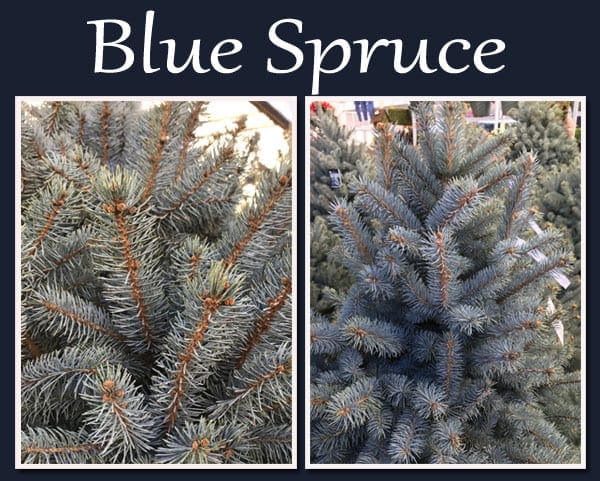
The blue spruce, botanically Picea pungens, is also called the Colorado blue spruce. “Pungens” means sharply pointed, a nod to its stiff, prickly needles. It is prized for its silvery blue-grey color and its symmetrical, Christmas-tree form, which makes it a favorite focal-point tree and a popular living holiday tree. It is a true Rocky Mountain native.
The first time I visited Bryce Canyon National Park in Utah, I looked down into the ravine and saw grey-blue, perfectly symmetrical, stiff-branched blue spruces, 60 feet tall, growing up through the red sandstone above 7,000 feet of elevation. They were superbly beautiful, and I remember thinking: why can’t these glorious trees grow back home in Southern California? That question is the key to understanding this tree, and we will get to the honest answer below. Smaller dwarf cultivars, such as ‘Glauca Globosa’ and ‘Baby Blue Eyes’, bring the same blue color to a fraction of the size.
How Tall Does a Blue Spruce Get?
In a home landscape, a blue spruce grows about 30 to 60 feet tall and 10 to 20 feet wide. In the wild, old trees can top 100 feet, with the record at about 126 feet. Because it is a slow grower, a young tree reaches only about 5 to 10 feet tall in its first 10 years, so it stays a manageable size for a long time. True dwarf Colorado blue spruce cultivars, such as ‘Glauca Globosa’ and ‘Baby Blue Eyes’, top out much smaller, which makes them a better fit for small yards.
| Mature height (landscape) | 30 to 60 feet |
| Mature width | 10 to 20 feet |
| Height in the wild | Up to about 126 feet |
| Height in 10 years | About 5 to 10 feet |
| Growth rate | Slow (6 to 12 inches per year) |
| Lifespan | Many decades; up to 600 years in the wild |
| USDA hardiness zones | 2 to 7 |
| Light | Full sun |
How Fast Does Blue Spruce Grow, and How Long Does It Live?
Blue spruce is a slow-growing tree, adding roughly 6 to 12 inches per year, so it reaches only about 5 to 10 feet in its first decade. In return for that patience, it is remarkably long-lived: in its native range it commonly lives well over 100 years, and can reach 600 years or more in the wild. The slow, steady growth and long life are part of why it is such a prized specimen and focal-point tree.
Can You Grow a Blue Spruce in Southern California?
Here is the honest answer. Blue spruce is a cold-climate tree, hardy in USDA zones 2 to 7, that is built for cold winters and cool summers and cannot tolerate much heat. In the hot, dry, low-elevation parts of Southern California, it will grow considerably smaller and slower than it does in the mountains, and it tends to be short-lived and heat-stressed. Intense heat and drying winds are both hard on it. It does best in our cooler, higher-elevation and mountain communities. Closer to the coast or inland, you can sometimes keep a young or dwarf tree going in a large container for a few years (which also helps if you have clay soil), with afternoon shade and steady water, but it will never be the towering tree you see in Colorado. If you love the color but garden in a hot part of SoCal, the alternatives below will serve you far better.
Heat-Tolerant Blue Alternatives for Southern California
For that silvery-blue look in a climate blue spruce dislikes, these heat-tolerant conifers are far better suited to most Southern California gardens:
- Arizona cypress (Cupressus arizonica, such as ‘Blue Ice’ or ‘Carolina Sapphire’): a tough, blue-silver evergreen native to the hot, dry Southwest, the best blue-conifer fit for SoCal.
- Blue atlas cedar (Cedrus atlantica ‘Glauca’): a graceful blue conifer that is drought-tolerant once established and handles our heat.
- Blue-foliage junipers: several upright junipers offer steely-blue color with excellent heat and drought tolerance.
Whatever you choose, it helps to pick a tree suited to your yard and climate from the start.
How to Plant and Care for a Blue Spruce
Where the climate suits it, blue spruce is not fussy. Give it full sun and moist, rich, well-drained soil on the slightly acidic side; it dislikes soggy ground. Space trees about 12 to 24 feet apart to allow for their mature spread. Water young trees regularly, especially in dry spells, and keep watering weekly (more often in extreme heat) until established; mature trees become more drought-tolerant. Spread a 2 to 3 inch layer of mulch over the root zone, but keep it off the trunk, to hold moisture and moderate soil temperature. Protect it from drying winds, and know that it needs very little pruning.
Frequently Asked Questions
How tall does a blue spruce get?
In home landscapes a blue spruce grows about 30 to 60 feet tall and 10 to 20 feet wide. In the wild, old trees can top 100 feet (the record is about 126 feet). Dwarf cultivars stay much smaller.
How fast does a blue spruce grow?
Slowly. It adds roughly 6 to 12 inches per year, reaching only about 5 to 10 feet in its first 10 years.
How long do blue spruce trees live?
A long time. In a suitable, cool climate a blue spruce can live for many decades, often well over 100 years, and up to 600 years or more in the wild. In a hot climate it is much shorter-lived.
How far apart should you plant blue spruce trees?
Space blue spruce about 12 to 24 feet apart to allow for their mature spread of 10 to 20 feet, rather than crowding them.
Can a blue spruce grow in Southern California?
Only in limited conditions. It is a cold-climate tree (USDA zones 2 to 7) that struggles in hot, low-elevation Southern California, where it grows smaller, slower, and is short-lived. It does best in cooler, higher-elevation areas; elsewhere, a heat-tolerant blue conifer like blue atlas cedar or Arizona cypress is a better choice.
Can a blue spruce grow in shade?
It prefers full sun. It will tolerate light, open shade, but it grows fullest and keeps its best blue color in full sun.
Is a blue spruce a good Christmas tree?
Yes. Its stiff branches, classic shape, and blue color make it a favorite. A living potted blue spruce can be enjoyed indoors briefly and then moved back outside, though planting it in the ground long-term only works in a suitable climate.
Is ‘Blue Wonder’ a Colorado blue spruce?
Not exactly. The officially registered ‘Blue Wonder’ is a dwarf white spruce (Picea glauca ‘Blue Wonder’), a compact, gray-blue cone that reaches only about 6 feet in 10 years, even though some nurseries label it a blue spruce. For a true dwarf Colorado blue spruce, look for cultivars like ‘Glauca Globosa’ or ‘Baby Blue Eyes’.
Sources
- US Forest Service, Blue Spruce (Picea pungens) Silvics
- North Carolina State Extension, Picea pungens
- Iowa State University Extension, Colorado Blue Spruce
- Utah State University Extension, Colorado Blue Spruce
- American Conifer Society, Picea pungens
- Royal Horticultural Society, Picea glauca ‘Blue Wonder’
- Utah State University Extension, Arizona Cypress ‘Blue Ice’
- North Carolina State Extension, Cedrus atlantica ‘Glauca’ (Blue Atlas Cedar)
We stock these beautiful trees, along with dwarf spruces and heat-tolerant blue conifers, through the season. Come talk to our garden experts at any Green Thumb Nursery location and we will help you choose the right conifer for your climate and your spot. For other easy-care trees that suit our region, browse our guide to low-maintenance shade trees for Southern California. And if you are after a living holiday tree, see our guide to potted living Christmas trees.
Do you like what you see? Sign up for our weekly newsletter to get content like this every week!
Sign up for the Green Thumb Nursery newsletter