
Newsletter Articles
Slow-Growing Plants for Small SoCal Apartments, Condos, and Porches
Written by Kelsey W.
No space is too small for plants, even if you’re working with just a single desk and enough space for one potted plant. However, one plant can quickly turn into a monster that needs repotting and a giant place to live, which can complicate matters when you don’t have anywhere else to put your plant.
While you can always become a serial plant adopter and simply rehome your bigger plants with friends once they become too large for your space, it can feel quite difficult to give up a plant that you’ve been growing for a few years.
A better option might be selecting a plant that won’t grow out of control too quickly and will give you years of enjoyment without ever needing a new pot. Or, if it does need a new pot, that moment shouldn’t come for quite a while.
Let’s learn about some slow-growing plants that you can grow in your yard, on your balcony, or on your desk for years to come without worrying about whether they’ll eventually get too big for your home.
Can You Just Keep a Plant in a Small Pot?
There are some types of plants that don’t mind feeling crowded in a pot that’s a little too small. Cactuses really don’t mind getting a bit tight in their pots, and they may even respond favorably to a pot that wraps rather tightly around them.
However, most plants will become something called “pot-bound” if you leave them in a pot for too long without increasing the size of the pot. Pot-bound essentially means that the pot has become too small and the plant has grown far too many roots, creating very crowded conditions.
If you take a pot-bound plant out of its pot, you’ll usually see a ton of tangled roots wrapped around in the shape of the pot, with hardly any dirt remaining. Some plants are fairly forgiving even when you let them become pot-bound, but most will generally benefit from a larger pot.
However, that’s where we run into problems when we’re dealing with small spaces. One of the best ways to prevent experiencing pot-bound plants is to select plants that grow very slowly or that simply don’t mind living in the same pot for many years.
What Plants Can Literally Live in the Same Pot Forever?
African Violets
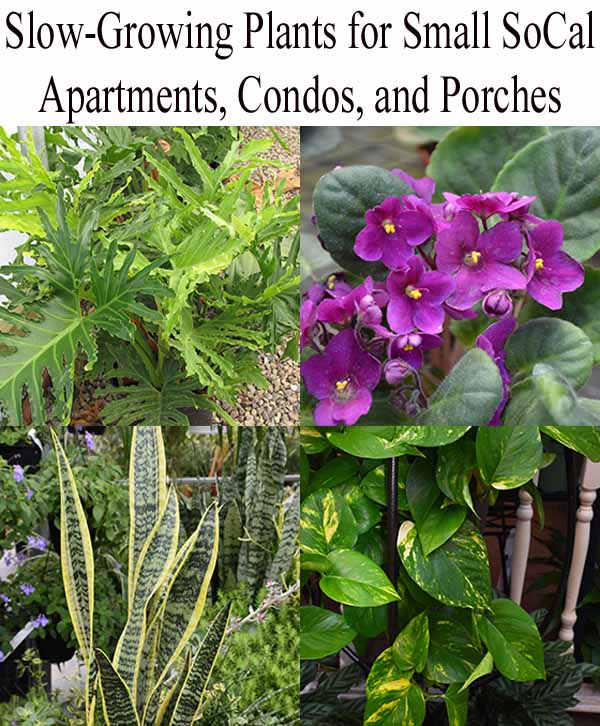
While rare, there are some plants that you can put in a pot and will only rarely need to remove them from the pot. One of the best and most beautiful options is the African violet. Not only will this plant grow only a few inches wider and taller at its maturity, but you can purchase a beautiful pot for it and never worry that the plant will outgrow it.
You have only two things to learn about African violets if you want to keep them happy. The first thing to remember is that they don’t like water on their leaves, so you should only water the soil or water them from the bottom up (some pots have a feature where you add water at the bottom).
The second thing to remember is that they occasionally split, and it’s important to take the plant out of its pot to split it in two, keeping the parent plant in the original pot and placing the new baby plant in a new pot. Over time, you may find yourself with a few additional African violets, but you can always gift them to friends and family.
Pothos and Philodendron
Another plant that you can put in one pot and usually leave for several years – even a decade – is the pothos plant. This plant is a vining plant and is routinely confused with philodendrons (also a vining plant). In point of fact, you can also choose philodendrons as your slow-growing, vining plant friend.
Over time, you’ll see new leaves appear, and it may start to vine outward slightly. But both pothos and philodendrons will take years to grow very long, especially if you place them in an area where they don’t have a lot of light.
For the most part, plants in low light conditions grow slowly, even if they send out a stalk or two to find a brighter area. The main difference in the growing style of pothos versus philodendron is that pothos will usually send out more new stalks from the base of the plant, but philodendron will wander with its tendrils rather than create new stalks. Generally speaking, of course.
Haworthia Fasciata
Also known as a zebra plant, the Haworthia fasciata plant is a tiny, spikey little plant that does wonderfully in bright light conditions. Other than being susceptible to root rot, these plants are easy to grow and will often look like they don’t grow at all unless you take comparison pictures over time.
Every once in a while, you may see the plant grow a new, smaller version of itself to the side, but they’re very slow-growing, so you don’t need to worry about removing them until they look big enough to survive on their own in a new pot. Tiny Haworthia Fasciata make excellent gifts!
While they do like bright light, they don’t fare too well in direct sunlight, so try to make sure they don’t get too much direct sun during the day. A little direct sun won’t hurt, but several hours’ worth may burn the leaves and make life a little tough for the tiny plant.
No, Snake Plants Aren’t Always Slow Growers
A really popular indoor plant and shade plant in Southern California is the snake plant, which you’ll see frequently as an adornment in outdoor gardens under tree canopies, as well as in pots inside homes and offices.
Somehow, snake plants have gained the reputation of being slow growers, but that’s frequently not the case in SoCal, especially when the plants are exposed to bright, indirect sunlight. They will not only grow quite tall, but they’ll spread rather quickly, making new shoots as fast as the sun will let them.
The only way to (mostly) guarantee that your snake plant will remain small enough for your small space is to make sure it’s not near a bright source of sunlight. It might sound harsh, but try to place your snake plant in the dimmest corner of your room, and you’ll be able to keep it smaller longer.
Make a Tiny Herb Garden With Miniature Herb Plants
If you let some herbs grow with wild abandon, they’ll just grow and grow until they fill one space and creep into another. Mint spreads like wildfire if you let it, and even basil plants will give you a good run for your money in the size department if you let them.
However, you can selectively choose certain herb plants and put them in tiny pots on a kitchen windowsill to create a tiny herb garden. Not only will the tiny herbs keep your kitchen smelling lovely, but you’ll be able to use the leaves in your cooking.
You’ll want to look for dwarf varieties of herbs, so as to keep your garden as small as possible. Oregano and rosemary are both offered in dwarf varieties and make great options if you like using herbs in cooking. Other herbs grown in dwarf form include basil, parsley, sage, and thyme.
Don’t Underestimate Your Space
If you’re worried about having enough space for your plants, try to focus on just one plant at a time rather than starting with a group of plants that could get out of hand. With a single plant, you will usually have some options to move it around if it happens to get a little larger.
You can also ensure your plant remains small enough for your space by finding it when it’s very small. As the small plant grows, you can keep it trimmed in a shape and size you prefer, ensuring it remains the right size for your space for as long as possible.
Choose Your Next Plant with Help from Green Thumb Nursery
Green Thumb Nursery has all the plants, materials, and knowledge you need to create a plant paradise in your home, whether you’re interested in creating a garden escape in your backyard or finding some new plants for your shady condo balcony. Visit one of our Southern California locations today for expert plant advice and friendly gardening information.
Do you like what you see? Sign up for our weekly newsletter to get content like this every week!
CLICK HERE TO SIGN UP!