
Newsletter Articles
Getting a Second Harvest This Year from Your Southern California Garden
Written by Kelsey W.
Planting a yearly vegetable garden takes daily dedication and work to ensure a nice, delicious harvest, and it’s incredibly rewarding to reach the end of the season having eaten food from the plants you grew in your own backyard, porch, or balcony.
However, with a little planning and just a little extra work, you can coax an additional harvest from your plants, which means you can enjoy the rewards of harvesting multiple times throughout the year before it’s time to put another round of plants into the ground.
Some plants will offer you multiple harvests naturally, but other plants require a little extra care to provide an additional round of produce. Let’s learn all about how you can make your harvests bountiful and plentiful this year and every year going forward.
The Simplest Methods for Getting Two Harvests a Year from Vegetables
Plant Quick-Growing Vegetables
One of the easiest and most hassle-free methods of growing multiple harvests each year is growing vegetables that only take weeks to reach maturity or the point of harvest. The two swiftest options you have for quick harvests are radishes and some types of leaf lettuce.
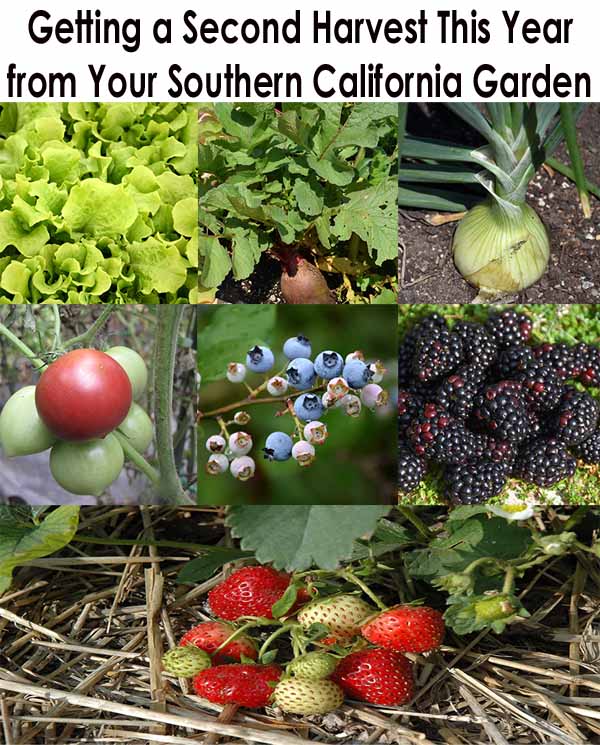
Radishes only need about a month before they’re ready for eating. You could theoretically get three or four rounds of radishes to grow in your garden in Southern California before the weather starts to get a little too hot for them to grow (they’re not big fans of the late summer and early fall heat).
Meanwhile, leaf lettuce is a plant you can continuously harvest by picking just a few leaves at a time for many months as soon as it’s ready to eat. One of the easiest ways to always have enough leaves for a salad any time you want is to put several leaf lettuce plants into the ground, so you can harvest a few leaves from each of them for a big bunch.
Create Succession Gardening in Your Yard
It’s exciting to see a big, lush row of green onion stalks rising from your gardening bed or container, but what happens when you can’t eat all of those ripe vegetables when they’re ready to go? Sure, you can dry your onions for use later, but perhaps you want a constant supply of the delicious leafy tops that green onions produce.
Your best option is to engage in succession gardening, which means planting a few seeds or seedlings one week and then planting some additional plants a week or two later. By staggering the planting dates of your onions – or whatever plant you choose – you’ll have a garden where there is always something starting to ripen.
With the long Southern California growing season, it’s possible to enjoy an incredibly long period of succession gardening. If you plant early enough in the spring when the weather is just getting warm enough for gardening, you could theoretically keep harvesting until late fall, when the last tendrils of summer fade away into winter.
Planting Timeframes for Two-Harvest Vegetable Gardens
In many areas of Southern California, you can actually grow plants for the majority of the year, starting your planting incredibly early in the spring or even late winter and continuing your planting well into the fall. It’s only really in the middle of winter when it gets tough to grow, because we get so much less sunlight, and the days are so short.
If you’re in an area of Southern California where you don’t experience frost or freezing temperatures, you can put seeds into the ground as early as January and can certainly begin your seeding in February. Plants like spinach and lettuce love the cool weather. You can also start your garden even earlier by putting your seeds into pots inside your home, ensuring they’re in a warm place and not near a draft.
Conventional wisdom suggests that you should wait until March or April to plant popular crops like tomatoes and peppers, but you can definitely get away with planting them earlier if you’re in one of the warmer areas of Southern California or if you’re willing to start your plants inside.
Tomatoes, especially when well-fed, will start to produce loads of fruit as soon as they start receiving enough sunlight, so try to put them in the sunniest place possible when starting an early garden. Otherwise, you may need to wait longer than you expect to get your first harvest, even if you plant them early and get the green leaves growing as soon as possible.
Water, Soil, and Fertilizer Quality Will Impact Harvesting
Getting your vegetables to produce for many months and give you as many vegetables as possible is easiest when you focus on getting their water, soil, and fertilizer at peak health. Some vegetables need more water than others, and you can ensure their leaves and fruit are at their best when you stick to the recommended watering schedule.
A well-fed and well-watered plant is one that isn’t stressed and can focus on creating big, healthy leaves and bountiful harvests. If you forget to water your vegetables frequently and Southern California experiences a heat wave, the plant might actually stop producing fruit and head into survival mode, focusing on keeping itself alive rather than giving you delicious vegetables.
As far as fertilizer goes, one of the best ways to maximize your fertilizer is to add a bunch of organic matter into the soil when you plant them for the season. Adding compost or organic matter to your soil when you plant your garden is particularly important if your garden is a replacement for last year’s plants.
The plants you grew last year or last season drained some of the nutrients in the soil, and adding compost or fertilizer to the soil this season ensures that it contains enough nutrients for the new crop of plants. Think of fertilizer as vitamins for your plants. Without vitamins, your plants won’t feel as healthy and may produce smaller fruit, smaller harvests, or produce less frequently.
Vegetables That Produce Year After Year
What’s better than getting more than one harvest from your vegetables each year? Perhaps it’s planting so-called perennial vegetables, which are plants that live for multiple years and produce fruit every year, sometimes for a decade. There are loads of perennial herbs like oregano, sage, and mint that will produce leaves for years, as well as fruits and vegetables for your garden.
One tip you might want to follow to encourage your leafy perennial herbs to grow as many leaves as possible is to pinch off the flowers that may grow from time to time. You probably don’t need the flowers that will grow occasionally from your basil plant, and you don’t want the plant putting all its energy into the flowers. Just pinch off the flowers whenever you see them, and the herb will produce more leaves as a result.
If you’re looking to branch out from the traditional vegetable garden and enjoy some fruit, you can opt for perennial fruits like berries, which you can put into the ground this year and enjoy fruit from for many years.
Fruits like blueberries and blackberries will take a few years before they start producing a nice amount of fruit, but they can turn into big bushes that you’ll love visiting throughout the year. When you choose your strawberries, just make sure to choose a perennial variety of strawberries because some types are meant to grow for just a single season, while others will last for several years.
As far as vegetables are concerned, your best bet for getting multiple harvests a year and then enjoying even more harvests the next year without having to replant is putting asparagus in your garden. Sometimes you can also find kale and certain varieties of onions in perennial format. Just remember that perennial vegetables aren’t a “set it and forget it” type of plant. They do need attention from water, fertilizer, and compost each year when the official growing season starts.
Let Green Thumb Nursery Help You Grow a Beautiful Vegetable Garden
Growing a vegetable garden is one of the most rewarding and entertaining ways to spend your summer, but it’s even better when you can grow vegetables into the autumn and enjoy the fruits of your labor for months on end. Need some help figuring out how to maximize your vegetable garden experience? Get all the answers you need at Green Thumb Nursery. Drop by one of our Southern California garden centers today.
Do you like what you see? Sign up for our weekly newsletter to get content like this every week!
CLICK HERE TO SIGN UP!