
Uncategorized
Palm Tree Tips and Tricks for Southern California Homeowners
Written by Kelsey W.
Did you know that many palm trees in Southern California were imported to the Southland at one time? In fact, the iconic towering palms that line the streets of SoCal’s boulevards were brought up from Baja California and Sonora in Mexico.
However, whether native or not, palm trees grow beautifully in Southern California’s Mediterranean climate, which is one reason they’re so popular. Additionally, many residents appreciate how they blend into the landscape alongside native SoCal plants.
Ensuring your palm trees get to enjoy their happiest and healthiest lives is easily done as long as you follow some simple guidelines for growing them. Let’s learn a little more about growing palm trees and how you can make them a part of your SoCal home.
Palm Tree Placement
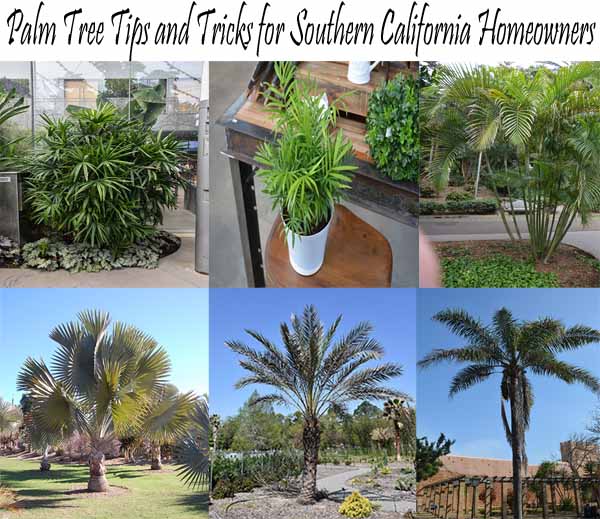
One of the biggest tips for success for your future palm tree is placement. One thing to consider is how big the palm tree will get when it’s fully grown. If you’re opting for a magnificent Bismarck palm, which can grow up to 40 feet tall, make sure you plant it in an area where it’ll have enough room when mature.
Another factor in placing your palm is getting its sunlight levels correct. Some palms thrive with direct sunlight that lasts at least six to eight hours a day, but other palms are actually well-suited to shady or partial-shade conditions.
For example, queen palms, the tall palm trees with big frothy fronds, love full sun. On the other hand, the smaller areca palms that are popular in xeriscaping designs are a little vulnerable to having sun all day and actually benefit from some shade during the late-day heat.
Basic Care Tips for New Palms
Most palms have things in common as far as growing conditions are concerned. For example, mature palms aren’t heavily reliant on having any extra water and are usually quite tolerant of receiving occasional watering unless there’s an unusually long heat wave.
However, young palm trees actually need a fair amount of water to get established. In fact, when you first plant your palm tree, you’ll want to water it every single day, which will encourage it to grow swiftly and start producing healthy roots.
After the initial month, you can start watering it every other day until it’s been in the ground for about two months. You can reduce the watering schedule to about every three days after six weeks if the temperature isn’t too hot, but keep up the watering schedule if you’re dealing with sandy soil.
In the months after the plant is first established, you can back off watering to a few times a week until you reach the cooler seasons and can water every month or so.
Tip: This watering schedule is very dependent on having well-draining soil. Palm trees are vulnerable to root rot, and you don’t want to have your palm tree living in a pool of standing water. Ensure you plant your palm in soil that drains well, so it can fully utilize your frequent waterings during its youth.
Getting Your Palm Tree Fertilizer Just Right
Palm trees are often quite easy to grow, but they are vulnerable to some mineral deficiencies and may need help through fertilizer application. If the soil you’ve planted your palm tree in is composed primarily of sand, you may need to consider a more robust fertilizing schedule than in other soils.
However, any plant can suffer from deficiencies, and they’ll usually make it obvious with the way their fronds may appear. Here are the signs to look out for and the type of deficiency you might be dealing with if your palm tree’s leaves start to look a little weird:
- Brown leaves or yellow and orange spots: Usually a sign of potassium deficiency, and normally something you’d see in an older palm tree.
- Yellow lines along the leaf edges: When only part of the leaf turns yellow (the edges), you may be seeing signs of a magnesium deficiency.
- Light green or yellow leaves: If your palm tree isn’t growing and the leaves are a lighter green or a faded yellow, your palm tree could be deficient in nitrogen.
Other nutrients your palm tree could be deficient in include boron, iron, and manganese, and these deficiencies may result in strange-looking leaves, stunted growth, and dying leaves.
The good news is that you can generally avoid all of these issues by simply feeding your palm tree once a season with a fertilizer that contains the standard mixture of potassium, magnesium, and nitrogen, as well as the other micronutrients (like iron) that the tree may need.
Tip: Palm trees don’t need a lot of phosphorus, so make sure the fertilizer you get is designed for palm trees or is a low-phosphorus variety.
Maintaining Your Palm Trees with Pruning
There is one main basic piece of advice when it comes to trimming palm trees, and that’s to only remove fronds that are dead or brown. Palm trees really hate it when you remove any of their green leaves, so you should avoid doing so unless it’s absolutely necessary.
You can also remove branches that will eventually produce fruit, as you normally want the tree to focus on creating healthy green leaves rather than producing fruit. Always try to cut these branches as close to the trunk as possible.
One easy way to determine when it’s time to remove a frond is when you see it start to bend outward below the horizontal line. If you think about the palm tree like the face of a clock, you can cut dead branches that have sunk below the 3 o’clock or 9 o’clock horizontal level.
Generally, pruning is best done in the spring or at the end of the summer, but you can always remove a completely dead branch at any time as long as you’re not engaging in a full and comprehensive pruning session in the middle of the winter.
Tip: Avoid climbing your tall palm trees and pruning them when they start to tower over your house. Let a professional come to your home and do the pruning for you.
You Can Bring Palms Inside, Too
Yes, many palm tree species grow amazingly tall, but that doesn’t mean you can’t grow a palm inside your home. If you’re living in a condo in Downtown Los Angeles and you have some nice big windows but no yard or balcony, don’t worry! There are several palm species that can brighten your home.
- Parlor Palm: If you have a place in your home with bright, indirect light, that spot would be perfect for a slow-growing parlor palm. Not only are these plants safe for your indoor pets, but they’re easy to grow, requiring a simple watering schedule every one to two weeks.
- Kentia Palm: If you have a bright place in your bathroom and want some greenery, a kentia palm would do nicely, as they enjoy humidity and bright indoor light. Keep a bottle of filtered water in the bathroom to hydrate your kentia palm, as they’re a little particular about their hydration.
- Areca Palm: If you have some nice space in your home for a palm where it will also get indirect light, consider an areca palm, which will make your home look like a rainforest. Don’t let the palm’s soil dry out completely, but don’t waterlog it either, and it’ll be quite happy in your home.
- Lady Palm: If you struggle with getting a lot of light into your home (but as long as it’s not pitch black), consider bringing a lady palm home to live with you. They’re quite happy to brighten a corner of your home and don’t need a tremendous amount of water.
Visit Green Thumb Nursery for All the Plant Information You Can Handle
Are you in pursuit of some beautiful, towering palm trees for your yard? Are you interested in finding some native Southern California palms for your home? You’ll find all the information, plants, and help you need to grow a beautiful garden when you visit one of the Southern California locations of Green Thumb Nursery.
Do you like what you see? Sign up for our weekly newsletter to get content like this every week!
CLICK HERE TO SIGN UP!