

Newsletter Articles
Fall and Winter Plant Care in Southern California
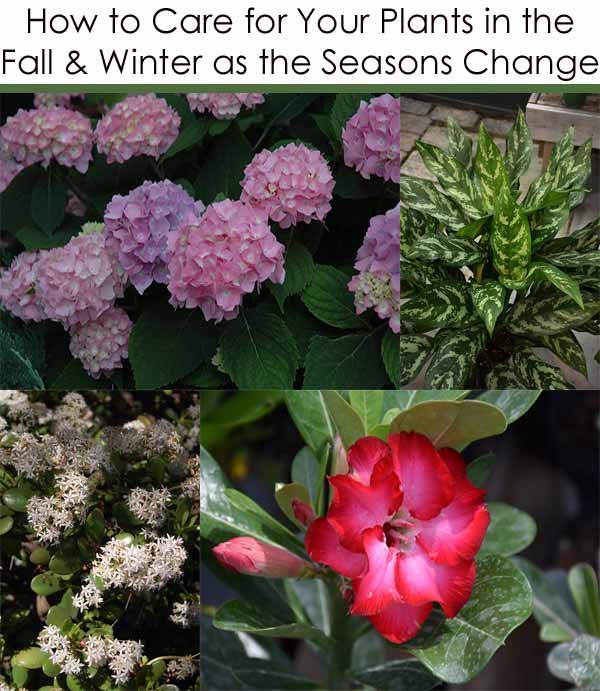
As the days shorten and cool, your plants slow down, and the summer habit of frequent watering and feeding can start to do more harm than good. Ease off the water and fertilizer, move houseplants to your brightest windows, check any plant you bring indoors for pests, and protect frost-tender plants outside.
Quick answer: In fall and winter, water and feed less, add light indoors, and watch for pests on plants you bring in.
- Plants grow more slowly in fall and winter, so water less and let the soil dry more between waterings.
- Cut back or stop fertilizing until plants are actively growing again in spring.
- Move houseplants to your brightest window and gently wipe dust off the leaves.
- Inspect plants for pests like aphids, spider mites, and mealybugs before bringing them indoors, and keep new arrivals separate for a week or two.
- Outdoors, mulch beds, scale back watering as it cools, and cover frost-tender plants on cold nights.
- In mild Southern California you can keep planting cool-season crops and color all winter.
| As the seasons change | What to do | Why |
|---|---|---|
| Watering | Water less often and let the soil dry more between waterings. | Slower growth means plants use less water, and overwatering invites root rot. |
| Fertilizing | Cut back or stop feeding until spring growth resumes. | Plants in their winter rest are not growing and cannot use it. |
| Light (houseplants) | Move plants to the brightest window and wipe dust off the leaves. | Shorter days mean less light, and dusty leaves photosynthesize poorly. |
| Pests (before bringing indoors) | Inspect for insects, rinse the plant, and isolate it for a week or two. | Pests hitch a ride inside and spread to your other houseplants. |
| Outdoor garden | Mulch, water less, protect frost-tender plants, keep planting cool-season crops. | Mild SoCal winters let the garden keep growing with lighter care. |
Water Less as Growth Slows
The single biggest change for fall and winter is to water less. Illinois Extension notes that in the short days of winter many plants enter a rest period,[1] and that once plants are brought indoors they slow their growth considerably, so they need less water and fertilizer.[2] The fix is to let the soil dry more between waterings. Illinois advises keeping the soil on the drier side and watering less often, though never so long that the plant wilts.[3] University of Minnesota Extension suggests feeling the top few inches of soil and watering only when it is dry, since overwatering in cool weather leads to root rot, yellowing leaves, and fungus gnats; cacti and succulents need only enough to keep them from shriveling.[4]
Ease Off the Fertilizer Until Spring
Hold the fertilizer until your plants are actively growing again. Illinois Extension says to fertilize only when plants are actively growing, which for houseplants usually means feeding once every one to three months from spring through early fall, with very little or none in winter.[1] Clemson Cooperative Extension is more direct: if a plant goes into its winter rest period, do not give it fertilizer, and increase feeding again in spring and summer as the days lengthen and warm.[5] When you move plants indoors for the season, Illinois puts it simply: stop fertilizing until the spring.[2]
Give Houseplants More Light and a Pest Check
Shorter days mean weaker light indoors, so move houseplants to the brightest spot you have. Illinois Extension recommends the brightest, sunniest window, typically south- or west-facing, because indoor light is much lower than outdoor light even in a shaded yard.[2] Clemson Cooperative Extension agrees that high-light plants belong near southern or western windows, and adds that dust on leaves inhibits photosynthesis, so wipe the leaves with a damp cloth.[5] Because heated indoor air is dry, Illinois also suggests grouping plants together or setting them on a tray of pebbles and water to raise the humidity around them.[3] Before any tender plant comes inside, inspect it: University of Minnesota Extension says to check for hitchhikers like aphids, spider mites, mealybugs, and scale, and to quarantine new or returning plants away from the others for a week or two.[6] A rinse helps as well; Illinois suggests spraying pests off with a hose before the plant moves in.[2] For more on coping with weaker winter light, see our guide to dealing with less sunlight in a SoCal winter.
Caring for the Outdoor Garden in a SoCal Fall and Winter
Outdoors, Southern California’s mild winter keeps the garden going, but the routine still shifts. UC Cooperative Extension in Los Angeles County advises mulching thinly in fall and winter and keeping mulch off plant stems, since you no longer need the heavy moisture retention of summer, and holding back on nitrogen, which forces soft new growth that cool temperatures can damage.[7] Water less as the weather cools, and watch the forecast so you can shield tender plants when a cold night is coming; our guide to protecting plants from frost walks through how. The upside of a mild climate is that you can keep planting: cool-season vegetables and flowers go in now, as our guide to why fall is the best time to plant explains. For a backbone that looks good year-round with little fuss, lean on evergreen plants that stay green all year.
Not sure how to shift your garden into its cool-season routine? Stop by any Green Thumb Nursery and our team can help you dial in watering, feeding, and winter protection for the plants you are growing.
Fall and Winter Plant Care FAQ
How do I care for my plants in fall and winter?
Scale back the summer routine. Illinois Extension notes plants slow their growth as the days shorten, so they need less water and fertilizer, more light indoors, and a pest check before coming inside.[2]
Should I water houseplants less in winter?
Yes. Illinois Extension advises keeping the soil on the drier side and watering less often, and University of Minnesota Extension says to water only when the top few inches of soil are dry, since overwatering causes root rot.[4]
Should I fertilize houseplants in winter?
Generally no. Clemson Cooperative Extension says that if a plant is in its winter rest period you should not fertilize it, and resume feeding only when active growth returns in spring.[5]
How do I prepare houseplants to come indoors for winter?
Inspect and isolate them. University of Minnesota Extension says to check for pests like aphids, spider mites, mealybugs, and scale before bringing a plant in, and to quarantine it away from your other plants for a week or two.[6]
Can I keep gardening in a Southern California winter?
Yes. UC Cooperative Extension notes that Southern California’s mild winters let you keep planting and growing cool-season crops and color, with lighter watering and thin mulch.[7]
Sources
- [1] University of Illinois Extension, Houseplant Care: extension.illinois.edu
- [2] University of Illinois Extension, Tips for Moving Houseplants Indoors and Overwinter Care: extension.illinois.edu
- [3] University of Illinois Extension, Houseplants, Winter Watering, and Humidity: extension.illinois.edu
- [4] University of Minnesota Extension, Watering Houseplants: extension.umn.edu
- [5] Clemson Cooperative Extension, Indoor Plants: Cleaning, Fertilizing, Light Requirements: hgic.clemson.edu
- [6] University of Minnesota Extension, Bringing Houseplants In for Winter: extension.umn.edu
- [7] UC Cooperative Extension, Los Angeles County, Fall and Winter Gardening Basics: ucanr.edu
Sign up for the Green Thumb Nursery newsletter for seasonal Southern California gardening tips.