

Newsletter Articles
Why Fall Is the Best Time to Plant in Southern California
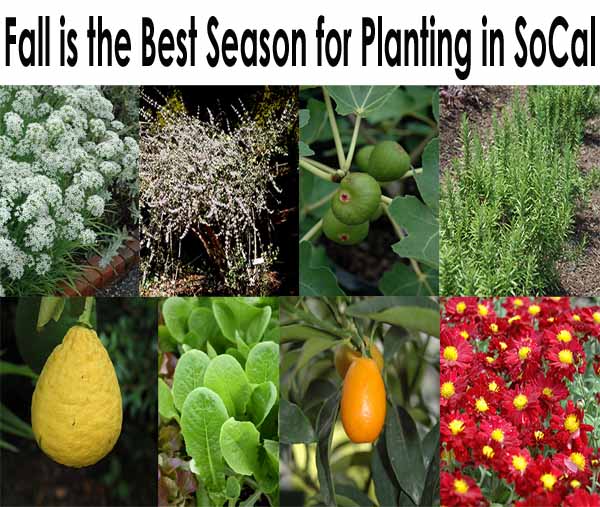
It is tempting to wait for spring, but in Southern California fall is actually the best season to plant. The soil is still warm while the air has cooled and winter rains are coming, so new roots grow all season and plants head into next summer far stronger; now is the time to set out trees, shrubs, California natives, and cool-season crops.
Quick answer: In Southern California, plant in fall so roots establish over the mild winter and plants thrive by summer.
- Mild SoCal winters make fall the time to plant for winter and early-spring harvests and blooms.
- The soil stays warm into fall, so roots keep growing even as top growth slows.
- Plant trees, shrubs, and California natives now to establish roots before next summer’s heat.
- Sow cool-season vegetables like broccoli, lettuce, and peas, and plant cool-season color like pansies and violas.
- Water new plantings in deeply yourself and mulch thinly; do not count on rain alone.
- Hold frost-tender warm-season crops like tomatoes and peppers until after your last frost.
| What to plant | Examples | Why plant it now |
|---|---|---|
| Trees and shrubs | Hardy evergreens, camellias, and other woody plants. | Roots keep growing through the mild winter while the top is dormant. |
| California natives | Toyon and other drought-tolerant native shrubs. | Late fall, after the first rains, is the best time to plant them. |
| Cool-season vegetables | Broccoli, cauliflower, kale, lettuce, peas, carrots, spinach. | They grow through the cool months for a fall and winter harvest. |
| Cool-season color | Pansies, violas, calendulas, snapdragons, sweet alyssum. | They bloom through winter and into spring in mild areas. |
Why Fall Is the Best Time to Plant in Southern California
Fall works because the ground is still warm even though the air has cooled. UC Cooperative Extension in Los Angeles County notes that Southern California’s mild winters make it possible to plant and grow year-round, and that fall is the time to plant for winter and early-spring harvests and blooms, with new plantings putting their energy into strong roots.[1] The reason is what happens below the surface. Clemson Cooperative Extension explains that from fall through winter most plants’ top growth goes dormant, but the roots keep growing because the soil does not freeze, drawing on the energy the plant stored over the previous season.[2] Oregon State University Extension adds the same principle from the other direction: warm fall soil supports strong root development, while autumn rains cut the need for supplemental watering.[3] A plant that spends the whole mild winter growing roots is far better prepared for its first hot, dry summer.
Fall Is Prime Time for Trees, Shrubs, and Natives
Woody plants and California natives are the biggest winners of a fall planting. Clemson Cooperative Extension notes that shrubs set out in fall use their stored energy for root growth all winter, so they are better able to take up water and nutrients when the weather warms, and it recommends a 2 to 3 inch layer of mulch kept a few inches off the trunk, watered in well.[2] For a shortlist of tough, structure-giving plants to set out now, see our guide to evergreen plants that stay green all year. California natives especially want this timing: Calscape, from the California Native Plant Society, says late fall is generally the best time to plant them, after the first rains and once the air is cooler, and to build a small berm and soak each plant thoroughly, since this is the one time even drought-adapted plants need plenty of water.[4] The California Native Plant Society adds that deep watering about once a week for the first three years establishes a healthy native root system.[5] Our roundup of the best native plants for SoCal is a good place to start.
Cool-Season Vegetables and Color to Plant Now
Fall is also when the cool-season edible and flower garden goes in. UC Cooperative Extension in Los Angeles County lists cool-season vegetables to sow or transplant in the fall, including broccoli, cauliflower, kale, lettuce, peas, carrots, and spinach, and stresses that the goal is to get these hardy crops to maturity by around Thanksgiving or early December before spring warmth makes them bolt.[1] For a deeper list, see our guide to vegetables you can grow in a SoCal fall and winter. For color, the same source recommends cool-season annuals like pansies, violas, calendulas, snapdragons, and sweet alyssum for long-lasting winter and spring bloom.[1] Clemson Cooperative Extension agrees that pansies and violas are among the best annuals for cool-season color, blooming best when the temperature stays above 32 degrees F.[6]
How to Plant and Water Through a SoCal Fall
Cooler weather does not mean you can skip watering a new planting. UC Cooperative Extension in Los Angeles County advises watering deeply, to the point of run-off, rather than sprinkling lightly, and doing it in the morning.[1] For natives, Calscape makes the same point, saying to soak each new plant thoroughly even though it is drought-adapted.[4] Mulch helps, but the LA County source notes you can mulch thinly in fall and winter, keeping it off the plant stems, since you do not need the heavy summer moisture retention.[1] One restraint matters: the same source advises against pushing extra nitrogen in winter, because it forces soft new growth that cool temperatures can damage.[1] That is also why fall planting is for hardy cool-season crops and woody plants, not frost-tender warm-season vegetables like tomatoes and peppers, which are better started indoors in late winter for planting out after frost. Once your new plants are in, our guide to protecting plants from frost will carry the tender ones through any cold snap.
Ready to make the most of planting season? Stop by any Green Thumb Nursery and our team can help you choose trees, natives, cool-season vegetables, and winter color that will settle in beautifully this fall.
Fall Planting FAQ
Why is fall the best time to plant in Southern California?
Because roots establish over the mild winter. UC Cooperative Extension notes SoCal’s mild winters let you plant year-round, and Clemson adds that roots keep growing through winter while top growth is dormant, so plants are stronger by summer.[1]
What should I plant in the fall in SoCal?
Trees, shrubs, California natives, cool-season vegetables, and cool-season flowers. UC Cooperative Extension in Los Angeles County lists all of these across its fall planting calendar.[1]
Is fall a good time to plant trees and shrubs?
Yes, one of the best. Clemson Cooperative Extension explains that fall-planted shrubs use stored energy for root growth all winter, so they take up water and nutrients better once the weather warms.[2]
What vegetables can I plant in fall in Southern California?
Cool-season crops. UC Cooperative Extension in Los Angeles County lists broccoli, cauliflower, kale, lettuce, peas, carrots, and spinach among the vegetables to plant in fall for a fall and winter harvest.[1]
Do I still need to water fall plantings?
Yes. UC Cooperative Extension advises watering new plantings deeply to the point of run-off rather than relying on rain, and Calscape says to soak even drought-adapted natives thoroughly when you plant them.[4]
Sources
- [1] UC Cooperative Extension, Los Angeles County, Fall and Winter Gardening Basics: ucanr.edu
- [2] Clemson Cooperative Extension, Planting Shrubs Correctly: hgic.clemson.edu
- [3] Oregon State University Extension, Fall Planting Offers Long-Term Benefits: extension.oregonstate.edu
- [4] Calscape (California Native Plant Society), Planting Your Native Garden: calscape.org
- [5] California Native Plant Society, Planting California Natives: cnps.org
- [6] Clemson Cooperative Extension, Seasonal Container Gardening Fall Through Winter: hgic.clemson.edu
Sign up for the Green Thumb Nursery newsletter for seasonal Southern California gardening tips.