

Newsletter Articles
All About Bonsai: What It Is and How It Works
Written by David S.
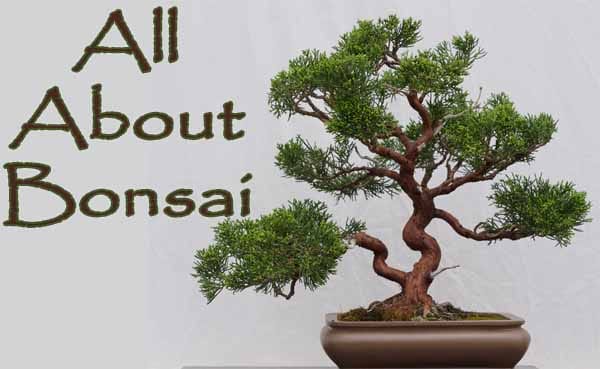
Bonsai is the art of growing an ordinary tree or shrub as a living miniature in a shallow container, pruned and trained to look like a full-size, mature tree. A bonsai is not a dwarf species: it is a normal plant kept small by restricting its roots and regularly pruning its roots and top growth.
Quick answer: A bonsai is a regular tree or woody shrub grown in a small, shallow pot and kept miniature through technique, not genetics. Growers restrict the roots in a small container and prune the roots and branches (and pinch and wire the shoots) to shape a tree that looks old and full-grown in miniature. The art began with the Chinese practice of penjing and was refined in Japan. Almost any woody plant can be trained, and bonsai is an ongoing practice: well-tended trees can live for over a century.
| Question | Answer |
|---|---|
| What is bonsai? | The art of growing a tree or shrub as a living miniature in a shallow container |
| Is it a special dwarf species? | No. A bonsai is a normal plant kept small by technique, not genetics |
| How is it kept small? | By restricting the roots in a small pot and pruning the roots and branches |
| Where did it come from? | From the Chinese art of penjing, later refined in Japan |
| Indoor or outdoor? | Tropical species such as ficus can grow indoors; temperate types such as juniper, pine, and maple grow outdoors |
| Is it hard? | It is an ongoing, years-long practice, but beginner-friendly species make it approachable |
What Is Bonsai?
Bonsai is the living art of growing a tree or woody shrub in a shallow container and training it, over years, to capture the look of a full-size tree in miniature. The National Bonsai Foundation describes a bonsai as a tree cultivated to evoke the qualities of a venerable old tree.[1] The word itself is Japanese and translates roughly as “planted in a tray.” A bonsai is a real, living tree, not a model or a novelty, and it is never truly finished: it keeps being shaped as it grows. Some of the bonsai in the Brooklyn Botanic Garden collection are well over a century old and still growing in their original containers, a reminder that bonsai is a long-term, even multigenerational, practice.[2]
How Does Bonsai Work? (It Is Not Genetics)
Here is the most common misunderstanding: a bonsai is not a special dwarf species, and it is not genetically miniature. According to Phil Nixon of University of Illinois Extension, bonsai are normal plants kept small through a variety of techniques, essentially dwarfed by restricting the root system and pruning both the roots and the top growth.[3] Because the small size comes from technique rather than genetics, virtually any woody tree or shrub has the potential to become a bonsai.[3] In practice, growers:
- confine the roots in a small, shallow container,
- prune the roots when they repot the tree,
- prune and pinch the branches and new shoots to control size and shape, and
- often wire the branches to guide how the tree grows.
Done patiently over years, these techniques recreate the proportions of a big, old tree in a plant you can hold in your hands.
Where Bonsai Comes From
Bonsai did not start in Japan. It grew out of the older Chinese art of penjing, the practice of creating miniature landscapes and potted trees. The National Bonsai Foundation describes penjing as the antecedent art form of bonsai and traces it back to the Tsin Dynasty in China, roughly 265 to 420 A.D.[1] The art later traveled to Japan, where it was refined into the focused, single-tree style most people picture today when they hear the word bonsai.
Getting Started: Indoor vs Outdoor and Care Basics
The first thing to know as a beginner is that where you grow a bonsai depends on the species. Brooklyn Botanic Garden points out that hardy, temperate trees need a dormant period of cold and rest every year, so they are grown outdoors, while tropical and subtropical species are much more promising options to start with indoors.[4] In practice, outdoor temperate bonsai are usually trees like junipers, pines, and maples, while a good indoor starter is a tropical such as a ficus; Clemson Cooperative Extension notes that certain weeping fig (ficus) cultivars are well suited to indoor bonsai.[5] Whatever you grow, the small volume of soil in a bonsai pot dries out quickly, so careful, frequent watering is the most important habit, along with enough light and periodic repotting. For the full routine, see our guide to caring for bonsai, and our look at potting soil for repotting. New to indoor plants in general? Start with our six easy houseplants to grow.
Curious to try it yourself? Green Thumb Nursery carries a great bonsai selection, and our team can help you pick a tree, pot, and the right starter species for your space.
Bonsai FAQ
What is a bonsai tree?
A bonsai is an ordinary tree or woody shrub grown in a shallow container and trained to look like a full-size, mature tree in miniature. The National Bonsai Foundation describes it as a tree cultivated to evoke the qualities of a venerable old tree.[1]
How do bonsai trees work?
A bonsai is not genetically miniature. University of Illinois Extension explains that bonsai are normal plants kept small by restricting the root system and pruning both the roots and the top growth, so the small size comes from technique, not genetics.[3]
Is bonsai a type of tree?
No. Bonsai is an art and a set of techniques, not a species. Virtually any woody tree or shrub can be trained as a bonsai, from junipers and pines to maples and ficus.[3]
Where did bonsai come from?
Bonsai grew out of the older Chinese art of penjing, which the National Bonsai Foundation traces back to the Tsin Dynasty (roughly 265 to 420 A.D.), and was later refined in Japan.[1]
Are bonsai trees hard to care for?
Bonsai is an ongoing, years-long practice rather than a one-time project. The main challenge is frequent watering, because the small pot dries out quickly, along with the right light. Tropical species such as ficus are among the most beginner-friendly for growing indoors.[4]
Sources
- [1] National Bonsai Foundation (US National Arboretum), Collections: bonsai-nbf.org
- [2] Brooklyn Botanic Garden, Bonsai Museum Collection: bbg.org
- [3] University of Illinois Extension (Phil Nixon), Revealing Nature: A Bonsai Journey: peoriamagazine.com
- [4] Brooklyn Botanic Garden, Bonsai Moves Indoors: bbg.org
- [5] Clemson Cooperative Extension HGIC, Weeping Ficus: hgic.clemson.edu
Sign up for the Green Thumb Nursery newsletter for seasonal Southern California gardening tips.