

Newsletter Articles
Types of Potting Soil and How to Choose the Right One
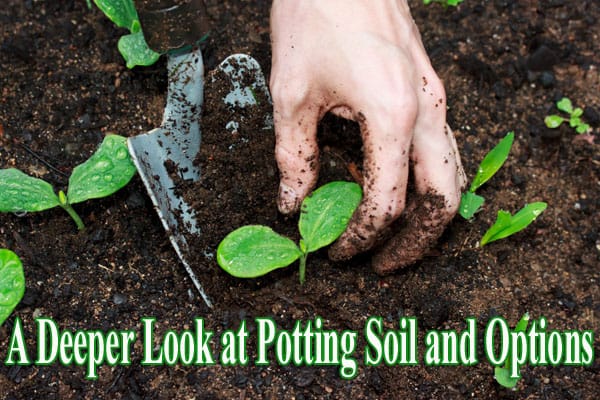
The potting soil aisle is confusing, and the most common mistake is grabbing a bag of garden soil or the wrong mix for the job. A potting mix is really a lightweight, mostly soilless blend built for drainage and air, so the right move is to match the mix, whether all-purpose, seed-starting, or fast-draining cactus, to what you are actually growing.
Quick answer: Pick a bagged mix by the job, not by habit, and skip the garden dirt for containers.
- Potting mix is mostly soilless, built for drainage and air, not bagged garden dirt.
- Do not use garden soil or topsoil in pots, since it compacts, drains poorly, and can carry weeds and disease.
- An all-purpose potting mix suits most container flowers, vegetables, and houseplants.
- Seed-starting mix is fine, light, and low in nutrients; cactus and succulent mix drains fast.
- Most mixes carry only a small starter charge of fertilizer that runs out, so plan to feed container plants over time.
| Mix type | Best for | What makes it different |
|---|---|---|
| All-purpose potting mix | Most container flowers, vegetables, and houseplants. | A coarser blend that holds moisture while still draining, and may include some compost. |
| Seed-starting mix | Starting seeds and raising young seedlings. | A fine, lightweight, low-nutrient mix that is easy on tender new roots. |
| Cactus and succulent mix | Cacti, succulents, and other dry-loving plants. | Extra bark, perlite, or sand so it drains quickly and does not stay soggy. |
| Orchid and epiphyte mix | Orchids, bromeliads, and other epiphytes. | A chunky, bark-based blend that holds very little standing water around the roots. |
| Raised-bed or garden-soil blend | Filling raised beds and amending in-ground beds. | A heavier blend that includes real topsoil or compost, meant for the ground rather than pots. |
What Potting Soil Actually Is
A bag of potting soil is usually not soil at all. NC State Extension puts it bluntly: the potting soil used to grow container plants is really not soil, but a soilless substrate that is free of insects, diseases, and weeds and ready to use right out of the bag.[1] University of Illinois Extension describes these products as soilless or artificial media because they contain no soil at all, and notes a good mix has to stay well aerated and well drained while still holding enough moisture.[2] Penn State Extension adds that most potting mixes are kept soilless specifically to avoid soilborne diseases and promote good drainage.[3] Think of the mix as the base your plant lives in; the extra soil amendments you may have read about come later, once that base is right.
Why Garden Soil Does Not Belong in Pots
Garden soil behaves very differently once you shovel it into a container. NC State Extension explains that field soils have too little pore space for oxygen, are too heavy, and can harbor diseases, insects, and weeds, which is why they are no longer used for growing plants in containers.[1] University of Illinois Extension is just as direct, warning that in a pot the drainage and aeration are severely impeded and advising gardeners to never use garden soil by itself.[2] The UC Master Gardener Program notes that even good garden soil becomes compacted in containers, leaving too little air space for healthy roots.[4] If you want to improve the soil in your pots the right way, our guide to container gardening and soil amendments picks up where the bag of mix leaves off.
What Is in a Bag of Potting Mix
Most mixes are built from a handful of lightweight ingredients, each doing a specific job. According to NC State Extension, peat moss increases the nutrient and water-holding capacity of a mix, perlite is heat-treated volcanic rock that improves drainage, and vermiculite absorbs water and holds nutrients, so the two are often used for opposite reasons.[1] The same source notes that pine or composted bark adds large particles that help aeration but can be hard to re-wet if it dries out, while compost brings good water-holding capacity and some disease suppression, which is why NC State suggests keeping compost to roughly 15 to 40 percent of a container mix.[1] Clemson Cooperative Extension points to coconut coir as a sustainable alternative to peat that plays a similar moisture-holding role.[5]
The Main Types of Potting Mix
A few standard mixes cover almost everything a home gardener grows. Michigan State University Extension explains that seed-starting mixes have a finer texture and are made from ingredients like milled peat moss, perlite, coir, and vermiculite, while general potting soils are coarser and may contain field soil, compost, or composted manure.[6] For plants that hate wet feet, University of Illinois Extension recommends a mix with more bark, perlite, or sand for succulents and herbs, and a peat-heavier blend for moisture-loving tropicals.[2] Clemson Cooperative Extension describes bark-based blends for orchids and other epiphytes, whose roots want almost no standing water.[5] One useful distinction: raised-bed and garden-soil blends are heavier products that intentionally include real topsoil or compost, so they belong in the ground, not in containers.
How to Choose and Feed Your Mix
Pick the mix by the job, check how it feels, and plan to feed as the starter nutrients run out. NC State Extension says it is usually faster and more precise to buy a commercial soilless mix than to blend your own, and advises reading the label to evaluate the components, adding more perlite when you need faster drainage or more vermiculite and compost for thirsty plants.[1] The UC Master Gardener Program suggests choosing a product that feels lightweight and fluffy rather than dense and heavy, lists its main ingredients, and feels slightly damp but not wet in the bag.[4] On feeding, do not assume the bag has you covered: NC State notes that any starter fertilizer in a mix lasts only a couple of weeks, so an ongoing feeding schedule is necessary, and Michigan State adds that some mixes hold enough nutrients for up to three months while others have none, so you have to read the package.[1][6] For building fertility the organic way, see our guide to organic soil mixes and amendments.
A Quick Word on In-Ground Soil Types
If your real question is about the dirt in your yard rather than a bag of mix, that is a different thing called soil texture. Colorado State University Extension defines loam as a soil with a balanced combination of sand, silt, and clay particles, and offers a simple ribbon test: squeeze moist soil between thumb and finger, and a ribbon that breaks before reaching 1 inch points to a sandier soil, 1 to 2 inches to a loam, and more than 2 inches to a clay-heavy soil.[7] Clemson Cooperative Extension describes an even simpler jar test: shake soil with water in a jar and let it settle, and the sand drops out in about a minute, the silt over roughly two hours, and the clay over about two days, after which you can measure the layers.[8] These texture classes describe garden ground, not soilless potting mix, so treat them as two separate topics. For improving that in-ground soil, our tips on creating healthy soil for your SoCal garden go further.
Not sure which bag to grab? Stop by any Green Thumb Nursery and our team can match a mix to your plants and pots, whether you are starting seeds, potting succulents, or filling a raised bed.
Potting Soil FAQ
What is potting soil?
It is a mostly soilless mix made for containers, not bagged garden dirt. NC State Extension describes it as a soilless substrate that is free of insects, diseases, and weeds and ready to use right away.[1]
Can you use garden soil in pots?
You should not. The UC Master Gardener Program notes that even good garden soil becomes compacted in containers, leaving too little air space for healthy roots.[4]
What is potting soil made of?
Usually a blend of lightweight ingredients. NC State Extension lists peat moss for water and nutrient holding, perlite for drainage, vermiculite for moisture and nutrients, plus bark and compost.[1]
What type of potting soil is best?
The one that matches your plant. University of Illinois Extension suggests more bark, perlite, or sand for succulents and herbs, and a peat-heavier mix for moisture-loving tropicals.[2]
How do you tell what soil type you have?
Test the texture of your in-ground soil. Clemson Cooperative Extension suggests a jar test, where sand settles in about a minute, silt over roughly two hours, and clay over about two days.[8]
Sources
- [1] NC State Extension, Extension Gardener Handbook Ch. 18 (Plants Grown in Containers): content.ces.ncsu.edu
- [2] University of Illinois Extension, Container Gardens: Soil: extension.illinois.edu
- [3] Penn State Extension, Potting Media and Plant Propagation: extension.psu.edu
- [4] UC Master Gardener Program, Container Soil: ucanr.edu
- [5] Clemson Cooperative Extension, Indoor Plants Soil Mixes: hgic.clemson.edu
- [6] Michigan State University Extension, Potting Soils and Seed-Starting Mixes: canr.msu.edu
- [7] Colorado State University Extension, Estimating Soil Texture: extension.colostate.edu
- [8] Clemson Cooperative Extension, Soil Texture Analysis The Jar Test: hgic.clemson.edu
Sign up for the Green Thumb Nursery newsletter for seasonal Southern California gardening tips.