
Newsletter Articles
Best Flowers for a Full-Sun Southern California Yard
Written by Kelsey W.
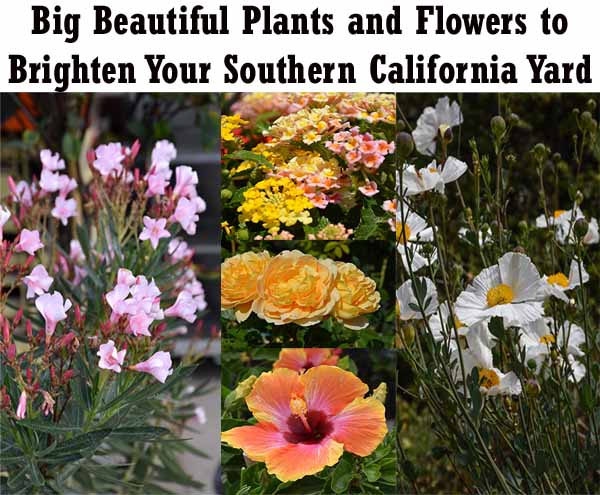
The best flowers for a full-sun Southern California yard are heat- and drought-tolerant sun lovers. For easy color, plant salvias, lantana, bougainvillea, cape honeysuckle, and rockrose; for tough California natives, go with California poppy, Matilija poppy, showy penstemon, California fuchsia, and yarrow. Give them six or more hours of sun and lean, well-drained soil, group plants by their water needs, and stagger bloom times for color across the seasons. One caution: skip oleander around children and pets, since every part of it is highly toxic.
Quick answer: Fill a full-sun Southern California yard with sun-loving, drought-tolerant flowers. Easy performers include autumn sage and Mexican bush sage, lantana, bougainvillea, cape honeysuckle, and rockrose; standout California natives include California poppy, Matilija poppy, showy penstemon, California fuchsia, and yarrow. Give them six or more hours of direct sun and lean, well-drained soil, water sparingly once they are established, and group plants with similar water needs together. Lantana is toxic to pets, so site it away from animals, and avoid oleander entirely around kids and pets because all of it is highly toxic.
| Flower | California native? | Why it works in full-sun SoCal |
|---|---|---|
| Autumn sage (Salvia greggii) | No | Long spring-to-fall bloom, heat and drought tough |
| Mexican bush sage | No | Velvety purple spikes late summer into fall |
| Lantana | No | Nonstop spring-to-fall color (toxic to pets, site carefully) |
| Bougainvillea | No | Vivid bracts in heat; protect from frost |
| Cape honeysuckle | No | Orange trumpets summer into winter |
| Rockrose (Cistus) | No | Fast mounding shrub, little water once established |
| California poppy | Yes | State flower; self-seeding spring color |
| Matilija poppy | Yes | Giant white fried-egg flowers; very low water |
| Showy penstemon | Yes | Blue-purple spring spikes; hummingbird favorite |
| California fuchsia | Yes | Scarlet late-season nectar for hummingbirds |
| Yarrow | Yes | Flat flower clusters; pollinator magnet |
How to Choose Flowers for a Full-Sun SoCal Yard
Two ideas make this easy. First, match the plant to the spot: a full-sun flower wants six or more hours of direct sun a day and, for most of the picks here, lean, fast-draining soil rather than rich, constantly moist ground. Second, group plants by how much water they want, a practice UC Master Gardeners call hydrozoning, so a bed of low-water Mediterranean and native flowers can be irrigated together without drowning or starving any of them.[1] Southern California rewards drought-tolerant, heat-loving choices, so most of the flowers below need little water once established, and if you stagger their bloom times you can keep color coming nearly year-round. For the water-wise side of this, see our guide to drought-tolerant plants.
Easy Sun-Loving Flowers for Color
Start with the workhorses. Autumn sage (Salvia greggii) blooms spring through fall and shrugs off heat and drought, wanting full sun and tolerating a little afternoon shade in the worst of summer.[2] Mexican bush sage (Salvia leucantha) follows with velvety purple-and-white spikes from late summer into fall, also drought tolerant once established.[3] Lantana gives nonstop color from spring to fall in full sun and takes dry soil in stride,[4] but a caution for pet owners: the ASPCA lists lantana as toxic to dogs, cats, and horses, so site it away from animals that nibble.[5] Bougainvillea delivers vivid bracts in a hot, sunny spot, though it wants moderate water while blooming and must be protected where frost hits.[6] Cape honeysuckle throws orange trumpet flowers from summer into winter in full sun to part shade.[7] And rockrose (Cistus) is a fast, mounding shrub covered in papery flowers in spring and summer that needs little to no irrigation once established.[8]
California Native Flowers for Full Sun
Natives are the backbone of a water-wise sunny garden. The California poppy (Eschscholzia californica), our state flower, is a self-seeding, drought-adapted bloomer that lights up full sun from late winter into summer.[9] For drama, the Matilija poppy (Romneya coulteri) sends up huge white fried-egg flowers on a plant that wants full sun and essentially no summer water once established, though give it room since it spreads vigorously.[10] Showy penstemon (Penstemon spectabilis) carries blue-purple spring spikes that hummingbirds work over, on very little water,[11] and California fuchsia (Epilobium canum) picks up the baton with scarlet flowers in late summer and fall, another hummingbird magnet.[12] Round it out with common yarrow (Achillea millefolium), whose flat flower clusters feed pollinators,[13] and ceanothus, or California lilac, a nitrogen-fixing native that covers itself in blue flower clusters in full sun and fast-draining soil.[14] For more, see our guide to native flowering plants.
Bold Specimens, and a Safety Note on Oleander
If you want a conversation piece, tropical hibiscus and King protea both make dramatic full-sun specimens in a warm, well-drained spot, with protea especially wanting poor, fast-draining, acidic soil. For even more color ideas across the garden, see our roundup of eye-catching flowers.
One plant to think twice about is oleander. It is tough and endlessly blooming in full sun, which is why it lines so many freeways, but it is also highly toxic. The ASPCA lists oleander as toxic to dogs, cats, and horses, carrying cardiac glycosides that can cause drooling, abdominal pain, diarrhea, and worse,[15] and the National Capital Poison Center lists it among poisonous plants for people as well.[16] If you have children or pets, it is safer to choose one of the non-toxic flowers above; if you already grow oleander, keep it well away from where kids and animals play, and keep Poison Control handy at 1-800-222-1222.[16]
Want help filling a sunny bed with color? Stop by any Green Thumb Nursery and our team can match flowering plants to your sun, soil, and water.
Southern California Flower FAQ
What are the best flowers to grow in Southern California?
Sun-loving, drought-tolerant flowers do best: salvias, lantana, bougainvillea, cape honeysuckle, and rockrose for easy color, plus California natives like California poppy, Matilija poppy, showy penstemon, California fuchsia, and yarrow.[1]
What flowers grow best in full sun in Southern California?
Plants that want six or more hours of direct sun, such as autumn sage, lantana, rockrose, California poppy, and showy penstemon, all thrive in a hot, sunny spot with lean, well-drained soil.[2]
What flowers are drought tolerant in Southern California?
Many California natives need little or no summer water once established, including California poppy, Matilija poppy, showy penstemon, California fuchsia, and yarrow; among non-natives, rockrose, salvias, and lantana are reliably drought tolerant.[10]
What California native flowers should I plant?
Great sun-loving natives include California poppy, Matilija poppy, showy penstemon, California fuchsia, common yarrow, and ceanothus (California lilac). Most want full sun and fast-draining soil with very little summer water.[9]
Is oleander safe to plant?
Oleander is extremely tough and free-blooming, but it is highly toxic to people and pets in all its parts, so it is not a safe choice around children or animals. The ASPCA lists it as toxic to dogs, cats, and horses; if you grow it, keep it well away from play areas and keep Poison Control (1-800-222-1222) handy.[15]
Sources
- [1] UC Master Gardeners of San Diego County, What Is Hydrozoning: ucanr.edu
- [2] NC State Extension, Salvia greggii (Autumn Sage): plants.ces.ncsu.edu
- [3] NC State Extension, Salvia leucantha (Mexican Bush Sage): plants.ces.ncsu.edu
- [4] NC State Extension, Lantana camara: plants.ces.ncsu.edu
- [5] ASPCA, Lantana (toxic to pets): aspca.org
- [6] UC IPM, Bougainvillea: ipm.ucanr.edu
- [7] UC Master Gardeners (SLO), Cape Honeysuckle: ucanr.edu
- [8] NC State Extension, Cistus x hybridus (Rockrose): plants.ces.ncsu.edu
- [9] Calscape (CNPS), California Poppy (Eschscholzia californica): calscape.org
- [10] Calscape (CNPS), Matilija Poppy (Romneya coulteri): calscape.org
- [11] Calscape (CNPS), Showy Penstemon (Penstemon spectabilis): calscape.org
- [12] Calscape (CNPS), California Fuchsia (Epilobium canum): calscape.org
- [13] Calscape (CNPS), Common Yarrow (Achillea millefolium): calscape.org
- [14] Calscape (CNPS), Ceanothus (California Lilac): calscape.org
- [15] ASPCA, Oleander (toxic to pets): aspca.org
- [16] National Capital Poison Center, Poisonous Plants (and Poison Control 1-800-222-1222): poison.org
Sign up for the Green Thumb Nursery newsletter for seasonal Southern California gardening tips.