

Newsletter Articles
Colorful Flowers to Brighten Your SoCal Garden
Written by Kara M.
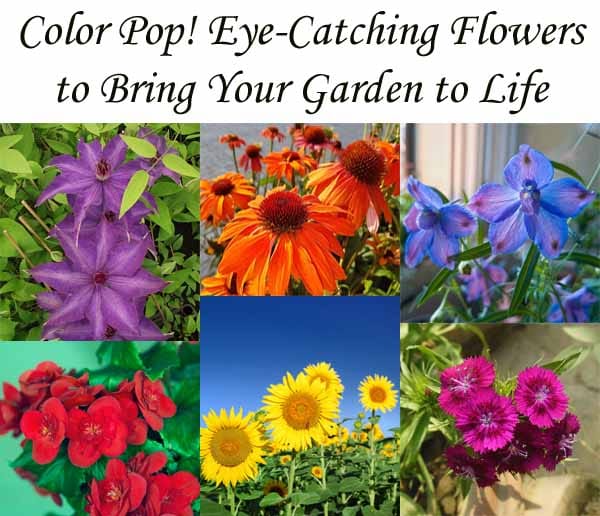
For bold, eye-catching color in a Southern California garden, the standout flowers include California poppy (orange), marigold and coreopsis (yellow), salvia (red), bougainvillea (magenta-pink), lavender and agapanthus (purple and blue), California lilac (native blue), Shasta daisy (white), and zinnia and lantana (multicolor). Most thrive in full sun and, happily for our climate, many are drought tolerant. A few are toxic to pets, so it is worth knowing which before you plant.
Quick answer: The most colorful, easy flowers for SoCal gardens are California poppy, marigold, coreopsis, salvia, bougainvillea, lavender, agapanthus, California lilac (Ceanothus), Shasta daisy, zinnia, and lantana. For a pet-safe, drought-tolerant combo, coreopsis and zinnia are both non-toxic to cats and dogs. For a California-native look, plant California poppy and Ceanothus.
Colorful Flowers by Color, at a Glance
| Flower | Color | Bloom season | SoCal note |
|---|---|---|---|
| California poppy | Orange | Late spring to summer | Native, drought tolerant |
| Salvia (autumn sage) | Red | Spring through fall | Drought tolerant perennial |
| Bougainvillea | Magenta, pink, purple | Long, much of the year | Iconic; has sharp thorns |
| Coreopsis | Gold-yellow | Late spring to late summer | Drought tolerant; pet-safe |
| Marigold | Yellow, orange | Summer | Easy annual |
| Lavender | Purple | Summer | Drought tolerant; toxic to pets |
| Agapanthus | Blue, white | Mid to late summer | Evergreen; sap can irritate |
| California lilac (Ceanothus) | Blue | Spring to early summer | Native; do not summer-water |
| Shasta daisy | White | June to August | Classic perennial |
| Zinnia | Full spectrum | Summer into fall | Easy annual; pet-safe |
| Lantana | Multicolor | Midsummer to frost | Tough; toxic to pets |
Reds and Pinks
For true red, autumn sage (Salvia greggii) is a standout: a drought-tolerant woody perennial that flowers from spring through fall in full sun, in shades of red (plus pink, coral, and white cultivars).[1] For sheer saturation, nothing beats bougainvillea, the quintessential Southern California vine, which blazes in magenta, pink, and purple over a long season in full sun and shrugs off heat, drought, and salt; just site it thoughtfully, because its real hazard is not toxicity but the long, sharp thorns tucked at its leaf joints.[2]
Oranges and Yellows
The orange California poppy (Eschscholzia californica) is our state flower, a drought-tolerant California native that opens bright orange blooms from late spring into summer in full sun.[3] For dependable yellow, coreopsis (tickseed) carries gold daisies from late spring to late summer, is drought tolerant, and is listed as non-toxic to cats, dogs, and horses, a nice bonus for pet owners.[4] Marigolds round out the warm palette with easy yellow and orange blooms all summer in full sun; their foliage can cause mild skin irritation for some people, so wear gloves if you are sensitive.[5]
Purples and Blues
Lavender brings fragrant purple spikes in summer and thrives in SoCal’s Mediterranean climate with full sun, sharp drainage, and little water, though note it is toxic to cats, dogs, and horses if eaten.[6] For blue, agapanthus (lily of the Nile) sends up globes of blue or white in mid to late summer on an evergreen clump; its sap can irritate skin and mouth, so handle it with care.[7] For a true-blue California native, California lilac (Ceanothus) covers itself in blue flowers in spring, but remember it is a summer-dry chaparral plant, do not give established plants summer water, which invites root rot.[8]
Whites and Multicolor
The Shasta daisy (Leucanthemum x superbum) is the classic white, crisp white petals around a yellow eye from June through August, in full sun to part shade; it is low-severity toxic and can cause mild stomach upset if eaten, so keep that in mind around curious pets.[9] For every color at once, zinnias bloom across the full spectrum from summer into fall, are easy from seed, tolerate dry spells, and are non-toxic to pets.[10] Lantana is another multicolor powerhouse that blooms from midsummer until frost and shrugs off heat and drought, but it comes with a real caution: its leaves, flowers, and especially its unripe green berries are toxic to people and pets, so place it away from children and animals.[11][12] For more big, bold blooms, see our guide to plants with big flowers, and the daisy family that coreopsis and Shasta daisies belong to.
California Natives and Drought-Tolerant Color
Many of these colorful flowers are a natural fit for our water-wise gardens. California poppy and California lilac are true California natives that need little to no summer water once established.[3] Lavender, salvia, bougainvillea, coreopsis, zinnia, and lantana are all drought tolerant too, so you can have vivid color without a thirsty garden. If you want color that is both low-water and safe for pets, coreopsis and zinnia hit both marks. For more on choosing water-wise plants, see our guide to drought-tolerant plants, and to draw in pollinators, our list of plants that attract butterflies and hummingbirds.
Ready to add a pop of color? Visit any Green Thumb Nursery location and our team can help you choose vivid flowers matched to your garden’s sun, soil, and your color vision.
Colorful Flowers FAQ
What are the most colorful flowers for a garden?
Some of the most colorful, easy-to-grow flowers are California poppy (orange), salvia (red), bougainvillea (magenta-pink), marigold and coreopsis (yellow), lavender and agapanthus (purple and blue), Shasta daisy (white), and zinnia and lantana (multicolor).
What colorful flowers grow well in Southern California?
California poppy, salvia, bougainvillea, lavender, agapanthus, California lilac, coreopsis, marigold, Shasta daisy, zinnia, and lantana all thrive in SoCal’s sunny, mild climate, and most are drought tolerant once established.
Which colorful flowers are the most drought tolerant?
California poppy and California lilac (both natives), plus lavender, salvia, bougainvillea, coreopsis, zinnia, and lantana, are all drought tolerant and well suited to water-wise SoCal gardens.[3]
Which of these flowers are toxic to pets?
Lavender and lantana are toxic to cats and dogs, and agapanthus and Shasta daisy can cause milder irritation or stomach upset; bougainvillea’s main hazard is its thorns. Coreopsis and zinnia are non-toxic to pets.[12]
What flowers give color almost year-round in SoCal?
In frost-free parts of Southern California, bougainvillea and lantana can bloom across much of the year, while a mix of spring natives (California poppy, Ceanothus), summer perennials (lavender, agapanthus, coreopsis), and warm-season annuals (zinnia, marigold) keeps color going season to season.
Sources
- [1] UC Davis Arboretum, Autumn Sage (Salvia greggii): arboretum.ucdavis.edu
- [2] NC State Extension, Bougainvillea: plants.ces.ncsu.edu
- [3] NC State Extension, Eschscholzia californica (California poppy): plants.ces.ncsu.edu
- [4] NC State Extension, Coreopsis grandiflora: plants.ces.ncsu.edu
- [5] NC State Extension, Tagetes (marigold): plants.ces.ncsu.edu
- [6] ASPCA, Lavender: aspca.org
- [7] NC State Extension, Agapanthus praecox: plants.ces.ncsu.edu
- [8] Oregon State Extension, California Lilac (Ceanothus): extension.oregonstate.edu
- [9] NC State Extension, Leucanthemum x superbum (Shasta daisy): plants.ces.ncsu.edu
- [10] NC State Extension, Zinnia elegans: plants.ces.ncsu.edu
- [11] NC State Extension, Lantana camara: plants.ces.ncsu.edu
- [12] ASPCA, Lantana: aspca.org
Sign up for the Green Thumb Nursery newsletter for seasonal Southern California gardening tips.