
Newsletter Articles
How to Grow Tomatoes in Southern California
Written by Susan B.
In Southern California, tomatoes are a warm-season crop: plant them in spring once the danger of frost has passed and nights stay above about 50 to 55 degrees Fahrenheit, then give them full sun and steady water for a long summer harvest. With our mild climate you can grow tomatoes from late winter in the low desert through summer along the coast, as long as you match your planting time to your part of SoCal.
Quick answer: Plant tomatoes in Southern California in spring, once nights stay above about 50 to 55 degrees Fahrenheit (roughly March through May inland, April into summer along the coast). Give them at least six to eight hours of sun, rich well-drained soil, consistent deep watering, and a sturdy cage or stake. Cherry tomatoes are the easiest for beginners. Indeterminate (vining) types keep producing until frost, while determinate (bush) types fruit all at once and suit containers.
When to Plant Tomatoes in Southern California
Tomatoes are warm-weather plants, so wait until the danger of frost has passed and nights settle above roughly 50 to 55 degrees Fahrenheit before you set them out.[1] In Southern California that timing depends on where you garden: inland valleys plant in spring, coastal gardens can plant a little later into summer, and the low desert plants in the cool months. You can start transplants indoors about four to six weeks before your planting date, or pick up ready-to-plant seedlings.[1] For a wider list of what to plant alongside them, see our guide to the Southern California summer vegetable garden.
| SoCal area | Typical planting window |
|---|---|
| Coast and South Coast | April into mid-summer |
| Inland valleys | March through May |
| Low desert | December through March |
Types of Tomatoes
The first choice to make is growth habit. Determinate (bush) tomatoes stay compact, set most of their fruit over a short window, then wind down, which makes them great for containers and for canning a batch all at once. Indeterminate (vining) tomatoes keep growing, flowering, and fruiting until frost and can reach ten to twelve feet, so they need staking or a tall cage.[2] If you are just starting out, cherry tomatoes are the easiest to grow and the most forgiving, and they crop heavily all season.[2] Slicing and globe tomatoes are the classic large fruits for fresh eating, while paste or Roma types are meatier and best for sauce, canning, and drying.[2]
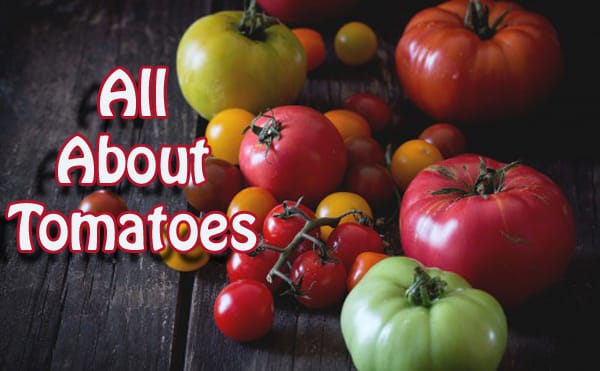
Beyond the familiar red, tomatoes come in many colors. Orange varieties are popular with home gardeners: Sungold is a sweet, prolific orange cherry (a hybrid, not an heirloom), and Kellogg’s Breakfast is a large orange beefsteak heirloom. Green Zebra ripens to a tangy green with darker stripes rather than turning red. Heirlooms are open-pollinated varieties whose saved seed grows true to type and are prized for flavor and their range of colors, though they tend to be less disease-resistant than modern hybrids. Beginners often do best mixing a dependable cherry or hybrid with one or two heirlooms for flavor. New to vegetable gardening? Start with our list of easy plants for beginner gardeners.
How to Grow Tomatoes
Give tomatoes plenty of sun. Aim for at least six to eight hours of direct sun a day for the best fruit set and flavor.[3] Plant them in rich, well-drained soil improved with compost, and water deeply and consistently: soak the soil to a depth of about six to eight inches roughly once a week, watering more often as the plants set fruit.[2] Water at the base of the plant and try not to wet the leaves, which helps reduce disease.[1] Most tomatoes need support: drive a six-foot stake about a foot into the ground a few inches from the plant, or use a sturdy wire cage, and guide the vines as they climb.[2] Mulch with straw or composted leaves to hold moisture and even out soil temperature, and feed after the first fruit sets without piling on nitrogen, which grows leaves at the expense of fruit.[1] For help building good tomato soil, see our guide to soil amendments and container gardening.
Common Tomato Problems
Blossom-end rot shows up as a sunken, leathery brown patch on the bottom of the fruit. It is not a disease or a pest: it is a calcium problem inside the fruit that is usually caused by uneven watering, not by a lack of calcium in your soil. The fix is steady soil moisture and mulch, not dumping extra calcium on the bed.[4] Cracking and splitting come from the same root cause: wide swings in soil moisture, often a heavy watering or rain after a dry spell, so keep moisture consistent and mulch to smooth it out.[5] Tomato hornworms are large green caterpillars that can strip a plant quickly; handpick them or snip them with shears, use Bt or spinosad on smaller larvae, and let natural parasitic wasps help keep them in check.[6] For more ways to handle garden pests, see our guide to organic pest control.
Growing Tomatoes in Containers
Short on space? Tomatoes grow well in pots. Use at least a five-gallon container, about twelve to twenty-four inches deep, with one plant per pot and good drainage holes.[7] Determinate and dwarf types are the easiest in containers, while an indeterminate vine needs a larger pot and a strong cage. Container plants dry out fast in our warm climate, so check them daily in summer and water before the soil fully dries.[7]
Ready to start your tomato patch? Visit any Green Thumb Nursery location for Southern California-ready transplants, cages, and soil, and our team will help you pick varieties that thrive in your neighborhood.
Tomato Growing FAQ
When do you plant tomatoes in Southern California?
Plant tomatoes in spring, once the danger of frost has passed and nights stay above about 50 to 55 degrees Fahrenheit. That is roughly March through May in inland valleys and April into summer along the coast; the low desert plants in the cool months.[1]
What is the difference between determinate and indeterminate tomatoes?
Determinate (bush) tomatoes stay compact and set most of their fruit over a short period, which suits containers and canning. Indeterminate (vining) tomatoes keep growing and fruiting until frost and need staking or a tall cage.[2]
What are the easiest tomatoes to grow for beginners?
Cherry tomatoes are the easiest and most forgiving for beginners. They are small, prolific, and crop heavily all season, so you get plenty of fruit even if conditions are not perfect.[2]
Why do my tomatoes get blossom-end rot?
Blossom-end rot is a calcium problem inside the fruit that is usually caused by uneven watering, not by a lack of calcium in your soil. Keep soil moisture steady and mulch to even it out; adding calcium to the soil usually does not fix it.[4]
Can you grow tomatoes in pots?
Yes. Use at least a five-gallon container about twelve to twenty-four inches deep, one plant per pot with good drainage. Determinate and dwarf types are easiest in pots, and because containers dry out fast, check them daily in summer.[7]
Sources
- [1] UC Statewide IPM Program, Cultural Tips for Growing Tomato: ipm.ucanr.edu
- [2] NC State Extension, Growing Tomatoes in the Home Garden: content.ces.ncsu.edu
- [3] University of Minnesota Extension, Growing Tomatoes: extension.umn.edu
- [4] UC Master Gardener Program, Fighting Blossom End Rot: ucanr.edu
- [5] Iowa State University Extension, Why Are My Tomatoes Cracking: yardandgarden.extension.iastate.edu
- [6] UC Statewide IPM Program, Hornworms: ipm.ucanr.edu
- [7] NC State Extension, Plants Grown in Containers (Extension Gardener Handbook): content.ces.ncsu.edu
Sign up for the Green Thumb Nursery newsletter for seasonal Southern California gardening tips.