

Newsletter Articles
12 Months of Fruit: A Southern California Harvest Calendar
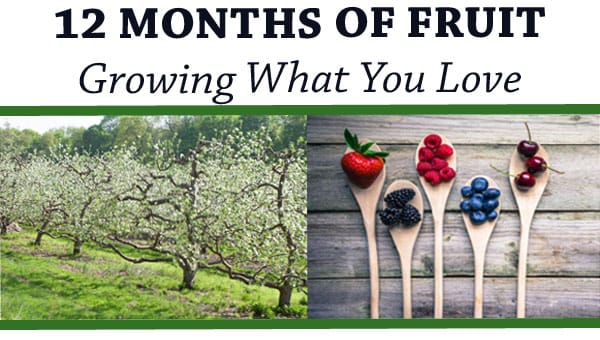
Written by Dave S.
In Southern California’s mild climate, you can harvest something fresh from your garden in almost every month of the year. With a little planning, you can build an orchard that produces different fruits each month, so there is always something ripe to pick. The trick is choosing a mix of fruits that come into season at different times, then letting our long, warm growing season do the rest. Keep reading to learn which fruits grow year-round here, how to plant for a 12-month harvest, and when each one actually ripens.
Quick answer: Yes, in Southern California you can harvest fruit nearly year-round by planting a succession of fruits that ripen in different months: citrus in winter, strawberries and cherries in spring, stone fruit, berries, melons, and figs in summer, and grapes, apples, pears, persimmons, and pomegranate in fall. Almost no single fruit bears 12 months a year, but citrus comes closest, because by mixing varieties (navel, Valencia, mandarin, lemon) you can pick ripe citrus across most of the calendar.
Can You Grow Fruit Year-Round in Southern California?
Yes, with one honest caveat: no single tree gives you fruit every month, but a well-planned garden can. Our mild winters and long, warm summers mean the ground almost never freezes near the coast and in most inland valleys, so the growing season stretches far beyond what gardeners in colder states enjoy. That gives you the room to plant a succession of fruits, meaning different types that ripen in different months, so your harvest basket is never empty for long.
Think of it less as finding one magic plant and more as designing a calendar. Citrus carries you through the cool months, spring brings the first stone fruit and berries, summer delivers the heavy stone-fruit and melon crop, and fall rounds things out with grapes, apples, persimmons, and pomegranate. String those together and you have fruit on the table nearly all year.
What Fruits Grow Year-Round?
No single fruit truly bears for all 12 months, but citrus comes the closest. By mixing varieties that ripen in different windows, such as navel oranges, Valencia oranges, blood oranges, mandarins, and lemons, you can pick ripe citrus across most of the calendar. Citrus also has a wonderful habit: the fruit holds on the tree for weeks after it ripens, so you can harvest a little at a time instead of all at once.
A few other fruits fruit over unusually long seasons. Everbearing strawberries produce flushes from spring into late fall in a good spot, and lemons and limes can set fruit over many months rather than a single short burst. So while the honest answer is that no one plant works year-round, citrus plus a few long-season performers gets you a remarkably steady supply.
How to Plant for 12 Months of Fruit
The secret to a 12-month harvest is succession: choose fruits that ripen in different seasons so something is always coming ripe. Start by mapping the calendar. Pick a citrus or two for winter, a strawberry patch and an early stone fruit for spring, a few summer favorites like peaches, figs, and melons, and then grapes, apples, or persimmons for fall. Each addition fills a gap in your harvest schedule.
You can also stagger varieties within a single type of fruit. If you love peaches, plant several varieties with early, mid, and late ripening dates, and you will have fresh peaches over a much longer window than a single tree could give you. The same trick works for apples, plums, and citrus. A little planning up front turns a handful of trees into a steady, season-long supply. When you are ready to choose, you can browse our fruit tree selection to see what fits your space and your schedule.
Southern California Fruit Harvest Calendar
Here is a season-by-season look at what ripens when in Southern California. Dates shift a little by variety and microclimate, so treat this as a planning guide rather than a strict schedule. The seasons below reflect typical coastal and inland-valley timing drawn from regional harvest calendars such as the Enjoy Orange County California fruit and vegetable seasons guide.
| Season (SoCal) | Fruits in season | Notes |
|---|---|---|
| Winter (Dec to Mar) | Citrus (oranges, lemons, grapefruit, mandarins, blood oranges, limes); avocado (variety-dependent); kiwi (stored from fall) | Citrus peak; navel Dec to May, mandarins Dec to Apr. Kiwi is harvested in fall and holds into winter. |
| Spring (Apr to Jun) | Strawberries (peak); early peaches (from May); apricots (from about May); cherries (brief, about May to Jun); Valencia oranges begin | Plant several peach varieties to stretch the window. Cherry season is short. |
| Summer (Jul to Sep) | Peaches, nectarines, plums, apricots; berries (blackberry, boysenberry, raspberry, currants); melons (cantaloupe, watermelon); figs; limes; grapes begin | Peak stone-fruit and berry season. Figs may give a second fall crop. |
| Fall (Oct to Dec) | Grapes; apples; pears and Asian pears; persimmons (Fuyu, Hachiya); pomegranate; honeydew; kiwi (harvest Oct to Nov) | Persimmons ripen in fall, not spring. Kiwi harvested now and stored for winter. |
Note: tropical exotics (pineapple, papaya, banana) only ripen in frost-free zone 10 to 11 pockets with freeze protection. Treat them as experimental in Southern California, not reliable orchard staples.
Winter (Dec to Mar)
Winter belongs to citrus, which is a large family offering many options. Oranges, lemons, grapefruit, and mandarins are all good choices, and navel oranges are at their peak from December into spring. For something a little unique, try blood oranges with their firm red flesh and super sweet taste. Avocado is also around in the cool months, though timing varies by variety; Hass, the most common backyard avocado, actually peaks spring to summer rather than in winter. Kiwi, harvested in fall, stores well and stays available through the winter.
Spring (Apr to Jun)
Spring kicks off the fresh stone-fruit and berry season. Strawberries hit their peak now, and in the right location they will produce from spring into late fall. We carry many varieties, so ask us which ones will grow best in your spot. Early peaches start arriving in May, and apricots follow around the same time. Cherries have a short, special window: expect ripe cherries in late spring, roughly May to June, for a brief period. A good tip if you love peaches is to plant a few varieties so you have ripe fruit over a more extended stretch rather than all at once.
Summer (Jul to Sep)
Summer is the heart of the home fruit harvest, with berries, melons, and stone fruits all coming on strong. Peaches, nectarines, plums, and apricots are wonderful right off the tree. For berries, blackberry, boysenberry, and raspberry are reliable producers, and there are thornless options too. Raspberries grow on short canes that you trim back each year, since new fruit forms only on the new canes. Currants grow in a similar way and are another good choice. Cantaloupe and watermelon are two easy summer melons that give a lot of fruit. If you love figs, summer is prime time; there are several types, dark and white, and both are excellent, with some varieties offering a second crop in fall. Limes also come into season during the warm months and fit nicely into cooking and entertaining.
Fall (Oct to Dec)
Fall rounds out the year with grapes, tree fruit, and some of the best cool-season treats. Grapes ripen from late summer into fall and are easy to grow and manage. Apples and pears come in now, and Asian pears are an excellent option for home gardens. Persimmons are a true fall fruit: Fuyu persimmons ripen from mid-October to mid-November, and Hachiya run from October into January, according to UC Marin Master Gardeners. (Despite what you may read elsewhere, they do not ripen in spring.) Pomegranate is another classic fall harvest, and honeydew is a fine example of a late-summer and fall melon. Kiwi is harvested in October and November, then stored to carry you into winter.
How Long Until a Fruit Tree Produces Fruit?
Most fruit trees bear their first real crop within 2 to 5 years of planting a young nursery tree, though it varies by type. Strawberries are the quick reward, often fruiting the same season or by the next spring, while slower trees like cherries and avocado can take several years. The table below gives typical timelines when you start with a young grafted or nursery-grown tree.
| Fruit | Years to first fruit (from a young grafted or nursery tree) |
|---|---|
| Strawberries | Same season to the next spring (months) |
| Figs | 1 to 2 years |
| Citrus | 2 to 3 years |
| Pomegranate | 2 to 3 years |
| Peaches, nectarines, plums | 2 to 4 years |
| Apples, pears | 2 to 5 years (dwarf sooner) |
| Avocado | 3 to 4 years (grafted) |
| Cherries | 3 to 5 years |
One big factor is how the tree was grown. Dwarf and grafted trees tend to fruit sooner and stay a manageable size, which is also why the rootstock matters so much. Seed-grown trees, by contrast, take far longer to bear, often 10 to 15 years for citrus and avocado, and they may not come true to the parent variety. For a faster, more predictable harvest, start with a grafted nursery tree. For deciduous fruit timing and care, the University of California’s Deciduous Fruit and Nut Trees in Your Garden guide is a helpful reference.
How to Get Started
Start with the soil, because getting it right is the foundation of a healthy orchard. Make sure your soil suits the trees you want to grow; some fruits prefer alkaline conditions and others like it more acidic. We carry a range of soils and soil amendments that make it easier to tune your soil for specific trees.
Next, make a list of what you and your family actually love to eat. We are fond of the saying “grow what you eat,” since the best orchard is one full of fruit you will genuinely enjoy. From there you can think about a few exotics; maybe you would like to try your own bananas or another tropical, keeping in mind those only succeed in the warmest frost-free pockets. If you are short on space, you can also keep your fruit trees small with the right pruning and rootstock choices, which makes a 12-month orchard possible even in a modest yard.
Planning an orchard is not hard, but the sheer number of options can feel overwhelming. That is where our experts come in. We can help you narrow your list by pointing out fruits that do not need a pollinating partner, or by suggesting pairings that improve pollination, and we can match trees to your available space, your soil, and how much care you want to give them. Fruit trees are very popular and our availability changes daily, so it is always best to call ahead, or visit one of our five Southern California locations to see what is in stock and talk through your plan. Organizations like the California Rare Fruit Growers are also a great resource if you want to explore more unusual fruits.
Frequently Asked Questions
What fruits grow year-round in Southern California?
No single fruit produces all 12 months, but citrus comes closest: by mixing navel, Valencia, blood orange, mandarin, and lemon you can pick ripe citrus across most of the year, and the fruit holds on the tree. Everbearing strawberries and lemons and limes also fruit over very long seasons.
Can you grow fruit all year in Southern California?
Yes, not from one tree, but by planting a succession of fruits that ripen in different seasons: citrus in winter, strawberries and cherries in spring, stone fruit, berries, melons, and figs in summer, and grapes, apples, pears, persimmons, and pomegranate in fall.
How long does it take a fruit tree to produce fruit?
Most fruit trees bear 2 to 5 years after you plant a young nursery tree: strawberries in the first season, figs 1 to 2 years, citrus 2 to 3 years, peaches and plums 2 to 4 years, apples and pears 2 to 5 years, and cherries and avocado 3 to 5 years. Dwarf and grafted trees fruit sooner; seed-grown trees take far longer.
What fruit is in season right now in Southern California?
It depends on the season: winter is citrus and avocado; spring is strawberries, cherries, early peaches, and apricots; summer is peaches, nectarines, plums, berries, melons, and figs; and fall is grapes, apples, pears, persimmons, and pomegranate.
When do persimmons ripen in California?
In fall. Fuyu persimmons ripen from mid-October to mid-November and Hachiya from October into January. Persimmons are a fall and early-winter fruit, not a spring one.
What is the easiest fruit to grow for a long harvest?
Citrus (especially mandarins and improved Meyer lemon) and everbearing strawberries give the longest, most reliable home harvest in Southern California; figs and pomegranates are also low-maintenance.
Do you need more than one tree for fruit?
Some fruits (most citrus, figs, peaches, nectarines, apricots, pomegranate) are self-fruitful and need only one tree, while many apples, pears, sweet cherries, and some plums need a compatible pollinizer nearby. Our experts can point you to self-pollinating options.
Sources
- UC Marin Master Gardeners, Persimmon
- UC ANR, Deciduous Fruit and Nut Trees in Your Garden
- California Rare Fruit Growers
- Enjoy Orange County, California Fruit and Vegetable Seasons
You like what you see? Sign up for our weekly newsletter to get content like this every week! Subscribe to the Green Thumb Nursery newsletter