

Newsletter Articles
Urban Homesteading: Grow Your Own Food in a Small Yard
Written by Sarah R.
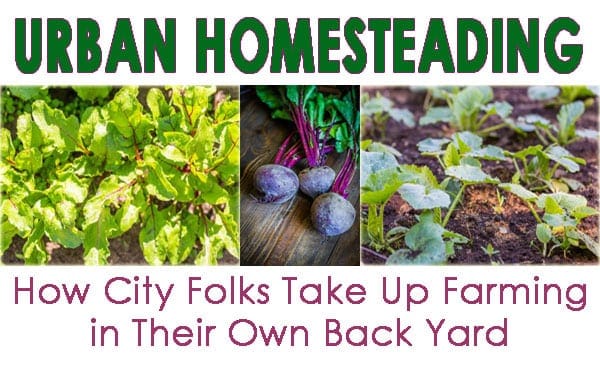
Urban homesteading means growing your own food and living more self-sufficiently on a small city or suburban lot. In practice it is a food garden scaled to your space: raised beds or containers of vegetables and herbs, a few compact fruit trees, a compost bin, and water-wise habits. Southern California’s mild climate makes it a year-round pursuit.
Quick answer: Start an urban homestead small and grow it as you learn. Pick a sunny spot, since most vegetables want roughly six to eight hours of sun, and build good soil with compost before you plant. Begin with easy crops like herbs, lettuce, and radishes in raised beds or containers, then add a dwarf fruit tree or potted citrus. Compost your kitchen and yard scraps to feed the soil, and water wisely with drip lines and a layer of mulch. Check your city rules before adding chickens or bees.
| Element | How to start |
|---|---|
| Vegetables | Grow them in raised beds or containers in a spot that gets at least six to eight hours of sun. |
| Herbs | Begin with easy herbs like basil, parsley, and thyme, which grow well in small pots. |
| Fruit | Choose dwarf or semi-dwarf trees, espaliered trees, or potted citrus to fit fruit into a small yard. |
| Compost | Compost kitchen scraps and yard trimmings to build healthy soil for free. |
| Water | Water with drip irrigation and add a few inches of mulch to slow evaporation. |
What Is Urban Homesteading?
Urban homesteading is the practice of growing your own food and building everyday self-sufficiency, scaled down to a city or suburban lot. University of Illinois Extension describes modern homesteading as a mix-and-match set of skills, from growing vegetables and composting to planting a small family orchard, taken on at a realistic pace rather than all at once.[1] It overlaps with urban agriculture, which the University of California describes as growing food within cities and their edges using methods that make the most of a small area, though that term usually refers to production beyond a single household.[2] For most homeowners the heart of it is simply a productive garden, so a good first move is our guide to planting an inspirational edible garden. Homesteading can also stretch to keeping chickens or bees or preserving the harvest, but those steps depend on your city ordinances, so check local rules before you start.
What You Can Grow in a Small Yard
You can grow a surprising amount of food in a small footprint. Vegetables are the backbone of any homestead, and most want a sunny spot; North Carolina State Extension notes that most vegetables need roughly six to eight hours or more of direct sun a day, with leafy and root crops tolerating a little less.[3] No in-ground bed is required. Oregon State University Extension points out that lettuce, tomatoes, peppers, beans, and more grow well in containers, using a 5-gallon pot for a tomato or pepper and smaller pots for herbs and greens.[4]
Herbs are the easiest place to begin. University of Illinois Extension notes that sage, parsley, oregano, rosemary, thyme, chives, and basil all grow happily in a container with good drainage.[5] For fruit, dwarf and semi-dwarf trees, espaliered trees trained flat against a fence, and potted citrus let you harvest from even a tiny yard. See our guides to a spiral herb garden and to fruit trees for small spaces.
Compost and Build Your Soil
Good food starts with good soil, and composting is the homesteader’s shortcut to it. North Carolina State Extension explains that compost is made by combining browns, the carbon-rich materials like dry leaves, straw, and cardboard, with greens, the nitrogen-rich materials like grass clippings, vegetable scraps, and coffee grounds.[6] Finished compost adds organic matter that improves soil structure and feeds your plants, and a layer spread on top as mulch also helps the soil hold moisture.[6] Before planting a new bed, North Carolina State recommends amending the soil with compost first, whether homemade or purchased.[3]
How to Get Started (and Water Wisely)
The best advice for a new homestead is to start small. North Carolina State Extension puts it plainly: start small, improve the soil, and expand as your skills grow, planting only the space you can manage joyfully.[3] Southern California’s mild climate is a gift here, because you can grow cool-season crops like lettuce, carrots, and peas through fall and winter and warm-season crops in spring and summer, keeping something in the ground almost year-round; our guide to fall and winter vegetables covers the cool season. Water wisely from the start: drip irrigation delivers water straight to the roots and loses little to evaporation, and a few inches of mulch keeps the soil cool and moist between waterings. Containers dry out fastest, so check them often, and our guide to container gardening has more.
Ready to turn your yard into a small homestead? Stop by any Green Thumb Nursery and our team can help you choose the beds, soil, vegetables, herbs, and fruit trees to get growing in Southern California.
Urban Homesteading FAQ
What is urban homesteading?
It is growing your own food and practicing everyday self-sufficiency on a small urban or suburban lot. University of Illinois Extension frames modern homesteading as a flexible set of skills, like growing vegetables, composting, and planting a small orchard, that you take on at your own pace.[1]
How do I start urban homesteading?
Start small, build your soil with compost, and begin with easy crops. North Carolina State Extension advises starting small, improving the soil, and expanding only as fast as you can manage, so a few herbs and salad greens are a good first step.[3]
What can you grow in an urban homestead?
Vegetables, herbs, and fruit all work. Oregon State University Extension notes that crops like lettuce, tomatoes, peppers, and beans grow well in containers, so you can produce a lot of food even without an in-ground bed.[4]
Do you need a big yard for urban homesteading?
No. Containers, raised beds, dwarf and semi-dwarf fruit trees, and espaliered trees let you grow food in very little space. Oregon State University Extension shows that many vegetables thrive in pots on a patio or balcony.[4]
Is urban homesteading legal?
Growing your own fruit, vegetables, and herbs is allowed virtually everywhere, but keeping chickens, bees, or other animals is governed by local city and HOA ordinances that vary widely. Always check your local rules before adding livestock to your homestead.
Sources
- [1] University of Illinois Extension, Embrace Self-Sufficiency: Modern Homesteading: extension.illinois.edu
- [2] University of California (UC ANR), What is Urban Agriculture: ucanr.edu
- [3] North Carolina State Extension, Vegetable Gardening: A Beginners Guide: content.ces.ncsu.edu
- [4] Oregon State University Extension, No Yard? Grow Vegetables in Containers: extension.oregonstate.edu
- [5] University of Illinois Extension, Growing Herbs in Containers: extension.illinois.edu
- [6] North Carolina State Extension, Backyard Composting of Yard, Garden, and Food Discards: content.ces.ncsu.edu
Sign up for the Green Thumb Nursery newsletter for seasonal Southern California gardening tips.