

Newsletter Articles
The Best Hard-to-Kill Plants for People Who Kill Plants
Written by Kelsey W.
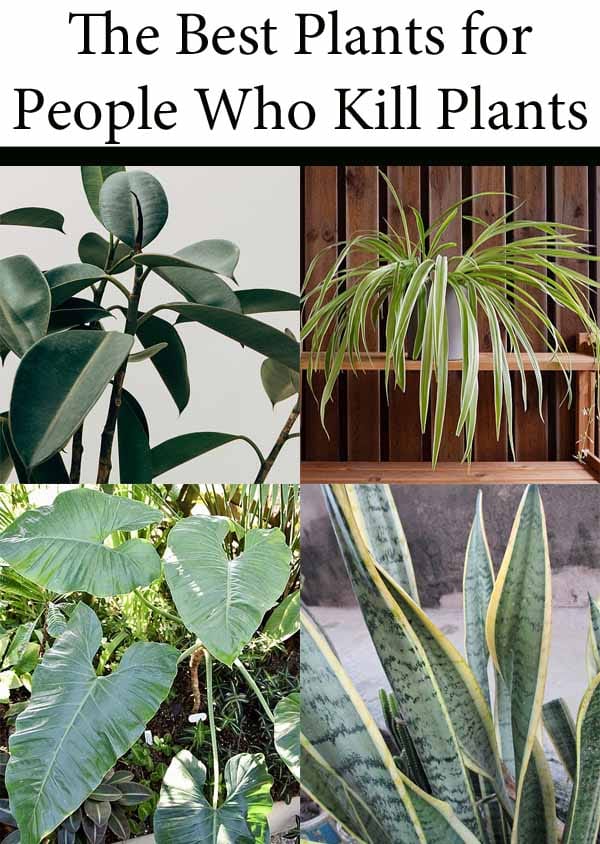
If you keep killing houseplants, the fix is usually the plant, not you: pick forgiving, hard-to-kill species that shrug off low light and missed waterings. The best plants for people who kill plants are the snake plant, ZZ plant, pothos, rubber plant, and cast iron plant, and the single most important rule is to stop overwatering them. These are the plants you can almost (but not quite) ignore and still keep alive.
Quick answer: The most forgiving houseplants tolerate low light and long gaps between watering: snake plant, ZZ plant, pothos, philodendron, rubber plant, spider plant, cast iron plant, and most cacti. The number one way people kill them is overwatering, so let the soil dry out between drinks. If you have pets, know that snake plant, pothos, philodendron, ZZ plant, and rubber plant are toxic if chewed, while spider plant, cast iron plant, and parlor palm are pet-safe.
The Best Hard-to-Kill Houseplants
Here are the most forgiving houseplants and what each one needs. If you have killed plants before, start here.
| Plant | Light | Water | Pet-safe? |
|---|---|---|---|
| Snake plant | Low light to bright indirect | Every 2 to 4 weeks | No (toxic) |
| ZZ plant | Low light to bright indirect | 1 to 2 times a month | No (toxic) |
| Pothos | Low to bright indirect | When top 1 to 2 inches dry | No (toxic) |
| Heartleaf philodendron | Low light | Keep lightly moist, not soggy | No (toxic) |
| Rubber plant | Low to bright indirect | When soil dries slightly | No (toxic) |
| Spider plant | Medium to bright indirect | When top 1 to 2 inches dry | Yes |
| Cast iron plant | Deep shade to low light | When top 2 to 3 inches dry | Yes |
| Cacti and succulents | Bright, direct sun | Rarely; let soil dry fully | Varies (check species) |
The snake plant, pothos, and spider plant are the classic starter trio: all three take low to medium light and like to dry out between waterings.[1] The ZZ plant is arguably the toughest of all, storing water in underground rhizomes so it can go a month between drinks and still handle low light.[2] Rubber plants prefer bright light but adapt to lower light and only need water when the soil has dried slightly.[3] Heartleaf philodendron is even more shade-tolerant and is one of the most adaptable houseplants there is.[4] For the darkest corners, the cast iron plant lives up to its name and grows in deep shade with only occasional water.[5] And if you have a bright, sunny window, cacti and succulents thrive on neglect, needing strong light and only occasional watering.[6] For more ideas, see our six easy houseplants to grow and our colorful house plants.
Why These Plants Are So Forgiving
Hard-to-kill plants share a few traits: they tolerate low light, and they store water or cope well with dry spells, so missing a watering (or two) does not faze them. That is exactly what makes them right for busy people, frequent travelers, and anyone who forgets. One honest caveat: hard to kill does not mean impossible to kill. These plants survive neglect far better than they survive fuss, which brings us to the mistake that kills more houseplants than anything else. For more low-effort, good-looking options, see our guide to houseplants for a healthier home.
The Number One Way People Kill Houseplants: Overwatering
If a hard-to-kill plant dies, overwatering is usually why. Extension horticulturists repeatedly point to soggy soil and root rot as the main failure mode for houseplants: roots that sit in wet soil for long periods develop rot and the plant declines.[7] The fix is simple: let the soil dry out between waterings, make sure the pot has drainage holes, and never let a plant stand in a saucer of water. When in doubt, wait a few more days; these plants are far more forgiving of a missed watering than of a soggy pot.
Keep It Safe: Which Are Toxic to Pets?
Several of the toughest houseplants are also toxic to pets if chewed or eaten. According to the ASPCA, snake plant, pothos, heartleaf philodendron, and rubber plant (a Ficus) are toxic to cats and dogs,[8] and the ZZ plant is toxic as well.[9] If you want tough plants that are also pet-safe, the spider plant, cast iron plant, and parlor palm are all listed as non-toxic to dogs and cats.[10] Be careful with the catch-all word succulent: some popular ones (jade, pencil cactus, string of pearls) are toxic, and cactus spines are a physical hazard, so check each species rather than assuming all succulents are safe.[11] Non-toxic does not mean a pet can eat a whole plant without an upset stomach, so keep nibblers away either way, and if a pet eats part of a plant you are unsure about, call your veterinarian or the ASPCA Animal Poison Control Center at (888) 426-4435. See our guide to pet-safe houseplants for more.
Ready to prove you can keep a plant alive? Visit any Green Thumb Nursery location and our team will set you up with a forgiving, good-looking plant matched to your light, your schedule, and your pets.
Hard-to-Kill Houseplants FAQ
What are the best plants for people who kill plants?
The most forgiving houseplants are snake plant, ZZ plant, pothos, philodendron, rubber plant, spider plant, and cast iron plant. They tolerate low light and infrequent watering, so they survive neglect that would kill fussier plants.[1]
What houseplant is the hardest to kill?
The ZZ plant is often called nearly indestructible. It stores water in underground rhizomes, tolerates low light, and can go a month between waterings.[2]
Do hard-to-kill plants need sunlight?
Most tolerate low light, which is why they work in offices and dim rooms, though they grow faster in bright, indirect light. Cacti and succulents are the exception and need a bright, sunny window.[6]
How often should you water hard-to-kill houseplants?
Less than you think. Let the soil dry out between waterings and make sure the pot drains, because overwatering and root rot kill more houseplants than drought does.[7]
Are hard-to-kill houseplants safe for pets?
Not all of them. Snake plant, pothos, philodendron, ZZ plant, and rubber plant are toxic to cats and dogs if eaten. For pet-safe toughness, choose spider plant, cast iron plant, or parlor palm.[10]
Sources
- [1] Clemson Cooperative Extension HGIC, Houseplant Selections for Beginners: hgic.clemson.edu
- [2] Clemson Cooperative Extension HGIC, ZZ Plant: hgic.clemson.edu
- [3] Clemson Cooperative Extension HGIC, Rubber Plant: hgic.clemson.edu
- [4] Clemson Cooperative Extension HGIC, Philodendron, Pothos, and Monstera: hgic.clemson.edu
- [5] Clemson Cooperative Extension HGIC, Cast Iron Plant: hgic.clemson.edu
- [6] Clemson Cooperative Extension HGIC, Indoor Cacti: hgic.clemson.edu
- [7] Iowa State University Extension, Diagnosing Houseplant Problems Related to Poor Culture: yardandgarden.extension.iastate.edu
- [8] ASPCA, Toxic and Non-Toxic Plants (database): aspca.org
- [9] ASPCA, These Houseplants Can Cause Trouble for Your Pets: aspca.org
- [10] ASPCA, Spider Plant (Toxic and Non-Toxic Plants): aspca.org
- [11] ASPCA, Are Succulents Safe to Have Around Pets: aspca.org
Sign up for the Green Thumb Nursery newsletter for seasonal Southern California gardening tips.