

Newsletter Articles
What Is Organic Pest Control? A SoCal Guide
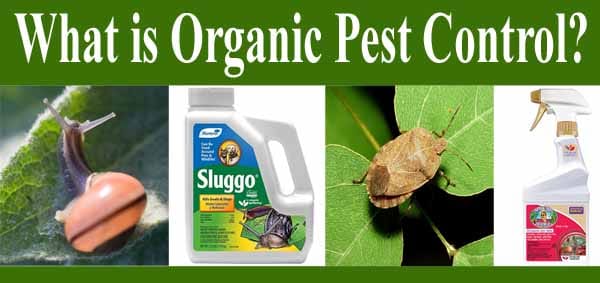
Written by David S.
Organic pest control means managing garden pests with naturally derived materials and biological and cultural methods, within an integrated pest management (IPM) approach that prevents problems first and treats with the least-toxic option only when needed. It leans on beneficial insects, microbial products like Bt, insecticidal soaps and oils, and good gardening practices rather than synthetic chemical pesticides. One honest caveat up front: “organic” does not automatically mean non-toxic.
Quick answer: Organic pest control combines prevention (healthy plants, sanitation, resistant varieties), biological controls (ladybugs, lacewings, parasitic wasps, Bt), and least-toxic products (insecticidal soap, horticultural and neem oils, spinosad, pyrethrin, iron phosphate baits) within an IPM framework. Remember that naturally derived pesticides are still regulated pesticides, so read the label and never spray plants that are in bloom, to protect bees.
What Is Organic Pest Control?
Organic pest control is pest management built on integrated pest management (IPM). The University of California defines IPM as an ecosystem-based strategy focused on long-term prevention through a combination of biological control, habitat and cultural practices, and resistant varieties. Pesticides are used only after monitoring shows they are needed, and are chosen to minimize risks to people, beneficial organisms, and the environment.[1] The “organic” part refers to using naturally derived, non-synthetic materials. Products reviewed against national organic standards can be listed by the Organic Materials Review Institute (OMRI), which reviews and lists the fertilizers and pest-control inputs that comply with those standards, so an OMRI-listed product is one vetted as acceptable for organic use.[2]
Does “Organic” Mean Non-Toxic?
No, and this is the most important thing to understand. Naturally derived pesticides are still regulated pesticides, and many can still harm creatures other than the target pest. UC IPM describes these products as “less toxic,” meaning they cause fewer injuries to people and non-target organisms, not that they are harmless.[3] For example, the botanical insecticide pyrethrin is toxic to fish and other aquatic organisms, and the microbial insecticide spinosad can harm some beneficial insects.[3] The takeaway: treat every organic product as what it is, a pesticide, and always follow the label. For more on lower-spray approaches, see our guide to spring organic pest control.
Biological Controls
Biological control uses living natural enemies to keep pests in check, and it is the heart of an organic garden.[4]
| Natural enemy | What it controls |
|---|---|
| Lady beetles (ladybugs) | Aphids and spider mites |
| Lacewings | Many soft-bodied insect pests |
| Syrphid (hover) flies | Aphids |
| Parasitic wasps | Aphids and caterpillars |
| Predatory mites | Spider mites |
| Beneficial nematodes | Soil-dwelling and boring insects |
| Bacillus thuringiensis (Bt) | Caterpillars that eat treated foliage |
To keep these allies working, avoid broad-spectrum pesticides that wipe them out, and plant a diversity of flowering species to give them nectar, pollen, and shelter.[4] Learn which insects to welcome in our guide to beneficial bugs.
Organic and Least-Toxic Products
When prevention and natural enemies are not enough, these lower-hazard products are the organic gardener’s toolkit; each has a job and a caution.[3]
| Product | Controls | Key caution |
|---|---|---|
| Insecticidal soap | Aphids, whiteflies, mites, soft-bodied insects | Contact-only; needs thorough coverage |
| Horticultural / neem oil | Aphids, whiteflies, mealybugs, scale, mites, psyllids, thrips | Not on water-stressed plants or above 90 degrees F |
| Bacillus thuringiensis (Bt) | Caterpillars (and, as Bti, mosquito and fungus-gnat larvae) | Must be eaten by the target to work |
| Spinosad | Caterpillars, leafminers, thrips | Can harm some beneficial insects; follow bee cautions |
| Pyrethrin (botanical) | A broad range of insects | Toxic to fish; broad-spectrum; keep off blooming plants |
| Iron phosphate bait | Slugs and snails | Lower-hazard alternative to metaldehyde baits |
Copper and sulfur products are organic-acceptable fungicides for plant diseases, but like any pesticide they carry their own label cautions, so follow the directions on the product.[3]
Cultural and Physical Methods
The foundation of organic pest control is not a product at all, it is good gardening. UC IPM emphasizes cultural controls such as sanitation (removing debris and infested plant material), proper watering and fertilizing, growing competitive and pest-resistant varieties, plus physical controls like barriers and row covers, handpicking, trapping, washing pests off, and pruning out infested growth.[1] These prevent problems before they start and reduce the need for any spray. Choosing pest-resistant, well-adapted plants, and even thoughtful companion planting, fits right into this approach, as does knowing which plants actually help with pests.
Protecting Bees and Pollinators
Because even organic products can harm bees, pollinator safety is part of responsible organic pest control. UC IPM advises never applying any pesticide to plants that are flowering, and avoiding drift onto nearby blooming plants and weeds; if a treatment is unavoidable during bloom, apply it between sunset and midnight when bees are not active.[5] To compare products, UC IPM’s Bee Precaution Pesticide Ratings sort them into three levels, from Rating I (most toxic to bees) to Rating III (least), to help you choose a lower-risk option, though you should always follow the label as well.[6]
Want help building an organic pest-control plan for your garden? Visit any Green Thumb Nursery location and our team can point you to the right beneficial insects, least-toxic products, and resistant plants for your Southern California yard.
Organic Pest Control FAQ
What is organic pest control?
Organic pest control manages pests with naturally derived materials plus biological and cultural methods, inside an integrated pest management (IPM) framework that prevents problems first and uses the least-toxic treatment only when needed.[1]
Is organic pest control safe?
Safer than conventional synthetic pesticides, but not automatically non-toxic. UC IPM calls organic and botanical products “less toxic,” meaning fewer injuries to people and non-target organisms, not harmless; some still harm fish or beneficial insects, so always follow the label.[3]
What are natural or organic pesticides?
Common ones include insecticidal soap, horticultural and neem oils, Bacillus thuringiensis (Bt), spinosad, pyrethrin, and iron phosphate slug bait. Each targets specific pests and carries its own caution.[3]
Does organic pest control work?
Yes, when used as part of an IPM plan. Prevention, beneficial insects, and good gardening do most of the work; contact products like soaps and oils need thorough coverage and often repeat application, and some botanicals have limited effectiveness, so organic control is a system rather than a single magic spray.[4]
What is the most natural way to control pests?
Start with prevention and biology: grow healthy, pest-resistant plants, keep the garden clean, use barriers and handpicking, and encourage natural enemies like ladybugs, lacewings, and parasitic wasps before reaching for any spray.[1]
Sources
- [1] UC IPM, What Is Integrated Pest Management (IPM)?: ipm.ucanr.edu
- [2] Organic Materials Review Institute (OMRI), What We Do: omri.org
- [3] UC IPM, Less Toxic Insecticides: ipm.ucanr.edu
- [4] UC IPM, Biological Control and Natural Enemies of Invertebrates: ipm.ucanr.edu
- [5] UC IPM, Best Management Practices to Protect Bees From Pesticides: ipm.ucanr.edu
- [6] UC IPM, Bee Precaution Pesticide Ratings: ipm.ucanr.edu
Sign up for the Green Thumb Nursery newsletter for seasonal Southern California gardening tips.