

Newsletter Articles
What Is a Succulent? Types, Arrangement Ideas, and Care
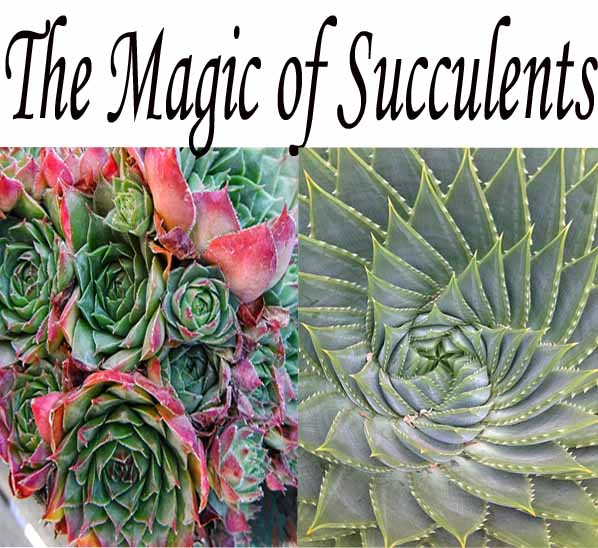
Quick answer: A succulent is a plant that stores water in thick, fleshy leaves or stems, an adaptation that lets it thrive on very little water, per the University of Minnesota Extension. Succulents are not one plant family but a growth habit found across dozens of families, which is why they range from tiny rosette-forming echeverias to towering agaves. Their drought tolerance makes them a natural fit for Southern California yards, and their endless shapes and colors make them the perfect palette for container arrangements.
Here in Southern California, succulents have gone from a collector’s niche to the backbone of our gardens, patios, and windowsills. This guide covers what makes a succulent a succulent, the types we reach for again and again at the nursery, how to design a succulent arrangement with the thriller, filler, spiller method, and the short version of keeping your plants happy.
What Is a Succulent?
Succulents are plants that have developed thick, fleshy leaves or stems that work as water storage organs, letting them survive long dry spells, according to the University of Minnesota Extension. “Succulent” describes a survival strategy rather than a branch of the plant family tree: Iowa State University Extension notes that succulents show up in many plant families, including the stonecrop family (Crassulaceae), the spurge family (Euphorbiaceae), and the cactus family (Cactaceae).
Succulent is spelled s-u-c-c-u-l-e-n-t, with a double c in the middle that trips up plenty of spellers. The word comes from the Latin succulentus, from succus, meaning juice or sap, per the American Heritage Dictionary. Gently squeeze a plump jade leaf and the name makes perfect sense: these plants are, quite literally, full of juice.
That stored water is what gives succulents their sculptural look. Every fleshy leaf is shaped by the plant’s drive to survive dry country, which is why a well-grown succulent reads like living artwork. They come in an astonishing range of forms, from compact rosettes that fit on a windowsill to landscape agaves that anchor an entire bed.
Popular Types of Succulents
Walk the succulent tables at any of our stores and a few favorites stand out:
- Echeveria. Tight, ground-hugging rosettes of fleshy leaves, mostly in grays, sea greens, and blue greens, with cultivars that blush pink, purple, and red, according to the NC State Extension Plant Toolbox. If you picture a “stone rose,” you are picturing an echeveria.
- Snake plant. Botanists now classify the snake plant as Dracaena trifasciata (you will still see its old name, Sansevieria trifasciata, on tags), and it is a true succulent with stiff, upright leaves that add an architectural touch indoors, per NC State Extension. One honest note: the old claim that snake plants purify indoor air does not hold up. Researchers at Drexel University found that in a real home or office, normal air exchange clears the air far faster than potted plants ever could. Grow it for its looks, and keep it away from nibbling pets (see the FAQ below). It also handles the dimmer spots where other succulents sulk, which is why you will find it among the low light houseplants at our stores.
- Aeonium. Waxy leaf rosettes on branching stems, with mature rosettes sending up conical flower stalks about 8 inches long. Aeoniums are cool-season growers: unlike most succulents, they do their growing in the mild months and slow down or go dormant in hot, dry summer weather, so a tired-looking aeonium in August is usually just asleep, notes Wisconsin Horticulture Extension.
- Jade plant. Crassula ovata grows into a lush, branching little shrub, and according to Feng Shui tradition it brings good luck. It makes a wonderful patio pot plant, though it is toxic to dogs and cats, per the ASPCA.
- Woolly senecio. Botanists now call this South African dwarf Caputia tomentosa (formerly Senecio haworthii). Its cylindrical leaves look pure white thanks to a dense felt of fine hairs, per San Marcos Growers, as if the plant wrapped itself in a cozy blanket against the desert night.
- Lithops. The “living stones” of southern Africa are named for their stone-like appearance, and they are perfect conversation starters. They come from regions that receive 4 inches of rain or less a year and follow their own strict watering calendar, per Wisconsin Horticulture Extension.
| Succulent | Botanical name | What it brings | Arrangement role |
|---|---|---|---|
| Echeveria | Echeveria species | Tight rosettes in gray, sea green, blue green, pink, and purple | Thriller or filler |
| Snake plant | Dracaena trifasciata | Stiff upright leaves, architectural structure | Thriller |
| Aeonium | Aeonium species | Bold waxy rosettes, grows in the cool season | Thriller |
| Aloe | Aloe species | Upright form and spiky texture | Thriller |
| Jade plant | Crassula ovata | Lush branching shrub form | Filler |
| Woolly senecio | Caputia tomentosa | Felted white leaves, silvery texture | Filler |
| Sedum (stonecrop) | Sedum species | Tough ground cover, flowers that feed bees | Filler or spiller |
| String of pearls | Curio rowleyanus | Trailing strands of bead-like leaves | Spiller |
| Burro’s tail | Sedum morganianum | Plump trailing stems up to 4 feet long | Spiller |
| Lithops | Lithops species | Stone-like look, a true conversation piece | Solo in a mini pot |
Succulent Arrangement Ideas: Thriller, Filler, and Spiller
The easiest way to design a succulent arrangement is the thriller, filler, spiller formula: one tall focal-point plant (the thriller), mounding plants that fill the middle (the fillers), and trailing plants that cascade over the rim (the spillers). It is the same container recipe University of Illinois Extension teaches for annual planters, and it works beautifully with succulents.
The thriller is the star of the show, the plant that draws the eye. Look for an interesting shape, a vibrant color, or dramatic size: an upright aloe, a bold aeonium, or a brightly colored echeveria all carry the role well.
The fillers add volume and color between the thriller and the edge of the pot, creating a lush, dense look. Bushier growers such as jade and sedum are classic choices, and smaller echeverias tuck in neatly.
The spillers drape over the edge of the container, softening it and connecting the planting to the space around it. String of pearls (Curio rowleyanus, long sold as Senecio rowleyanus) and burro’s tail (Sedum morganianum) are the classics; Wisconsin Horticulture Extension notes that burro’s tail stems eventually trail as much as 4 feet.
Four Tips for a Balanced Succulent Arrangement
- Work with height. Place the tallest plant, the thriller, at the back of the pot, or at the center if the arrangement will be viewed from all sides. Ring it with fillers, then tuck the spillers near the edges. Different heights create depth and perspective.
- Play with texture. Mix smooth, glossy leaves with fuzzy or ridged ones, like a felted woolly senecio beside a polished echeveria. The contrast is what makes an arrangement read as intentional.
- Balance the colors. A monochromatic bowl built from shades of one color feels calm and sculptural. A complementary scheme, like purple echeverias against golden sedum, feels vibrant. Either works; muddled middles do not.
- Think about growth. Some succulents grow quickly while others barely change size. Make sure your thriller and fillers will not outgrow the pot or swallow the spillers by midsummer.
Succulent Arrangements in Pots and Bowls
Whatever container you choose, make sure it drains. Plant in a fast-draining cactus and succulent mix, and never let the pot sit in a saucer of water. Iowa State University Extension puts it plainly: succulents will not tolerate staying wet. Shallow bowls dry out faster than deep pots, which suits most succulents just fine.
Group plants with similar water and light needs. A bowl that pairs thirstier fillers with an extreme drought-lover like lithops will eventually lose one or the other, so give living stones their own small pot. When you want the whole package done for you, our stores carry ready-made arrangements, and our staff can help you build a custom bowl from the succulents and cacti on our tables.
Why Succulents Thrive in Southern California
Succulents are a natural match for our Mediterranean-type climate: warm, dry summers, mild winters, and long stretches without rain. University of California Master Gardeners recommend them for drought-prone California gardens, according to UC ANR, and they are a cornerstone of low-water landscaping here. If you are rethinking a thirsty bed, succulents pair beautifully with the broader cast of drought tolerant plants.
In the landscape, agave makes a striking sculptural focal point for rock gardens, slopes, and low-water beds, per NC State Extension. Site it a step back from paths, since the leaf tips are spiny and the sap can irritate skin. Low-growing sedums earn their keep as tough ground covers, while taller types produce flower clusters that bees love, which earns them a place in pollinator gardens, per NC State Extension.
If you are just getting started, our guide to the best California succulents for beginners walks through the most forgiving first picks, including California’s own native dudleyas.
How to Care for Succulents: The Short Version
Watering is where most succulents are won or lost. Water thoroughly, then let the soil dry out completely before watering again, the University of Minnesota Extension advises. Indoors, that usually works out to every 2 to 3 weeks during the growing season and much less in winter, per Iowa State University Extension. Overwatering, not underwatering, is the number one succulent killer, because roots sitting in wet soil rot. For the full soak-and-dry method, step by step, see our guide on how to water succulents.
Light rounds out the short list: indoors, give succulents your brightest window, per the University of Minnesota Extension, and know that Iowa State University Extension pegs most types at six to eight hours or more of bright light a day. A dim corner is the wrong home for an echeveria.
Feeding is just as easy: an all-purpose fertilizer at half strength or less, applied only in spring and summer while plants are actively growing, per Iowa State University Extension. Skip fertilizer entirely in winter.
One exception worth knowing: lithops run on their own seasonal clock. Wisconsin Horticulture Extension advises watering them in late spring and early summer, pausing during their summer rest, resuming in early fall, and keeping them dry through winter and spring. When in doubt about an unusual succulent, bring it up with any of our garden experts.
Frequently Asked Questions About Succulents
How do you spell succulent?
Succulent is spelled s-u-c-c-u-l-e-n-t, with a double c in the middle. The word comes from the Latin succulentus, from succus, meaning juice or sap, per the American Heritage Dictionary. The juicy, water-storing leaves are exactly what the name describes.
Is a cactus a succulent?
Yes. All cacti are succulents, but not all succulents are cacti, per Iowa State University Extension. Cacti form a single family, Cactaceae, identified by areoles, the small cushion-like spots that spines and flowers grow from. According to the New York Botanical Garden, no other plants have them.
Are snake plants succulents?
Yes. The snake plant, now named Dracaena trifasciata and formerly Sansevieria trifasciata, is a true succulent with stiff, water-storing leaves, per NC State Extension. It tolerates low light and missed waterings, but the ASPCA lists it as toxic to dogs and cats, so keep it out of reach of pets.
Why are succulents so popular?
Succulents are popular because they are forgiving and collectible. They need little care, shrug off missed waterings, and come in a huge range of colors, shapes, and sizes, per Iowa State University Extension. As an Oregon State University horticulturist puts it, if you forget to water them, they do not die the way other plants would.
Are succulents toxic to cats or dogs?
Some are. The ASPCA lists jade plant, aloe, and snake plant as toxic to both dogs and cats, and NC State Extension reports that string of pearls is toxic to pets and people. On the safe side, echeveria, haworthia, burro’s tail, and ponytail palm are all listed as non-toxic to dogs and cats. If you share your home with a curious chewer, build your collection from the non-toxic list or keep pots well out of reach.
What succulents go well together in an arrangement?
Succulents with similar water and light needs grow best together, the same pairing rule University of Illinois Extension applies to container plantings. Pick one upright thriller (an aeonium, aloe, or bold echeveria), two or three mounding fillers (jade, sedum, smaller echeverias), and a trailing spiller (string of pearls or burro’s tail). Avoid pairing standard succulents with lithops, which need far less water than everything else in the bowl.
Are all succulents desert plants?
No. Most succulents come from dry country, but some cacti grow in jungles, per Clemson Cooperative Extension. The familiar holiday cacti (Thanksgiving, Christmas, and Easter cacti) are rain forest plants that should never dry out completely in spring and summer.
Sources
- University of Minnesota Extension: Cacti and Succulents
- Iowa State University Extension: Growing Succulents Indoors
- NC State Extension Plant Toolbox: Dracaena trifasciata
- NC State Extension Plant Toolbox: Curio rowleyanus
- NC State Extension Plant Toolbox: Echeveria
- NC State Extension Plant Toolbox: Agave americana
- NC State Extension Plant Toolbox: Sedum
- Wisconsin Horticulture Extension: Living Stones (Lithops)
- Wisconsin Horticulture Extension: Aeonium
- Wisconsin Horticulture Extension: Burro’s Tail
- UC ANR Napa County Master Gardeners: Not All Succulents Are Cacti
- University of Illinois Extension: Creating a Successful Container Garden
- Clemson Cooperative Extension: Indoor Cacti
- Drexel University: Potted Plants Do Not Improve Indoor Air Quality
- ASPCA: Toxic and Non-Toxic Plants
- American Heritage Dictionary: Succulent
- Oregon State University: Carefree Succulents Continue to Grow in Popularity
- New York Botanical Garden: Synopsis of the Family Cactaceae
Find Succulents at Green Thumb Nursery
Ready to build your own arrangement? Visit any of our five Southern California locations, Lake Forest, Canoga Park, San Marcos, Santa Clarita, and Ventura, and our garden experts will help you pick a thriller, filler, and spiller that will live happily together. Find your nearest store on our store locations page.
Do you like what you see? Sign up for our weekly newsletter to get articles like this one, plus store coupons, every week.