
Newsletter Articles
Monrovia Hydrangeas: The Varieties to Know and Where to Buy Them
Written by David S.
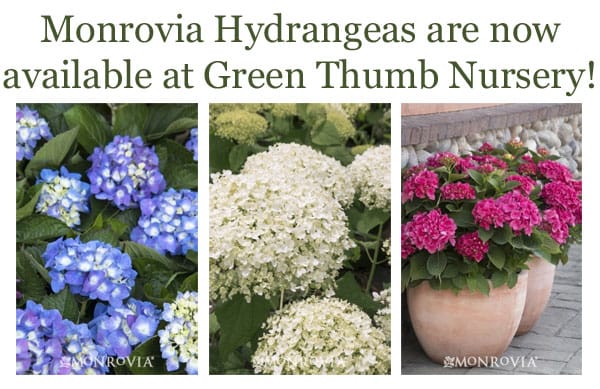
Hydrangeas are beautiful, easy to grow flowering shrubs that become blanketed in colorful clusters of flowers set against a rich backdrop of green leaves. They are one of the most popular landscape shrubs around, and for good reason. Green Thumb Nursery carries Monrovia hydrangeas at all five of our Southern California stores, in many varieties too. Choose from vivid blues, crisp pinks, gorgeous lavenders, warm welcoming whites, and now even a true ruby red.
Quick answer: Monrovia is a wholesale grower that has raised premium plants in its own custom soil blends since 1926 (Monrovia), and Green Thumb Nursery stocks Monrovia hydrangeas at all five of our Southern California locations. Standout varieties include the compact, reblooming Seaside Serenade collection, the 100th anniversary Centennial Ruby, little Early Evolution, Strawberry Shake, Blue Enchantress, and the shade loving Miranda climbing hydrangea. Availability changes daily, so call your local store before you drive over.
What Makes Monrovia Hydrangeas Different?
Monrovia Nursery Co. was founded in 1926 by Harry E. Rosedale Sr. on a 10 acre plot in Monrovia, California, and the company moved its growing operation to Azusa in 1953 (Monrovia). A century later, Monrovia grows more than 4,000 plant varieties in custom soil mixes developed for healthy roots, tended by growers the company proudly calls craftsmen (Monrovia). Monrovia is a wholesale grower, which means you cannot buy direct from their farms. Their plants are sold through independent garden centers like Green Thumb Nursery, and you can spot them on our benches by the signature green pot.
2026 is a special year for this old Southern California company: it marks Monrovia’s 100th anniversary, and they are celebrating with a brand new hydrangea called Centennial Ruby. More on that one below.
Monrovia Hydrangea Varieties to Know
These are the Monrovia hydrangea varieties our customers ask about most. Every one of them is a proven performer, and the compact types are a great fit for the smaller yards and patio pots so common in Southern California. You can browse our outdoor plants department online, and our staff can tell you what is on the bench this week.
| Variety | Type | Flower Color | Size | Light | USDA Zones |
|---|---|---|---|---|---|
| Centennial Ruby | Bigleaf (mophead) | Ruby red in any soil | 3 ft tall and wide | Partial shade, filtered sun | 4-10 |
| Seaside Serenade Newport | Bigleaf (mophead) | Deep pink, more blue violet in acidic soil | 3-4 ft tall and wide | Partial shade, filtered sun | 4-10 |
| Seaside Serenade Hamptons | Bigleaf (mophead) | Intense pink | 3-4 ft tall, 3 ft wide | Partial shade, filtered sun | 4-10 |
| Seaside Serenade Glacier Bay | Bigleaf (lacecap) | Crisp white on black stems | 3 ft tall and wide | Partial shade, filtered sun | 4-10 |
| Blue Enchantress | Bigleaf (mophead) | Blue in acidic soil, pink in alkaline | 3-5 ft tall and wide | Partial shade, filtered sun | 4-10 |
| Early Evolution | Panicle | White aging to dark pink | 2 ft tall and wide | Full sun to partial sun | 4-9 |
| Strawberry Shake | Panicle | White aging to pink | 4-5 ft tall, 4 ft wide | Full sun to partial sun | 4-8 |
| Miranda | Climbing vine | Fragrant white, variegated leaves | Climbs to 30 ft | Full to partial shade | 4-8 |
Centennial Ruby: The 100th Anniversary Hydrangea
Centennial Ruby is Monrovia’s birthday present to itself, a special release celebrating the company’s 100th anniversary (Monrovia). The ruby red mophead blooms actually deepen as they age, sometimes taking on almost black hues, and unlike most bigleaf hydrangeas the red color holds in any soil, no pH tinkering required. It stays a tidy 3 feet tall and wide, reblooms through the season, and the first 5,000 plants carry a numbered limited edition tag. It is a limited release for 2026, so if you want one, ask at your local Green Thumb early.
The Seaside Serenade Collection
If you have heard one Monrovia hydrangea name, it is probably Seaside Serenade. This is Monrovia’s own collection of compact hydrangeas, each named for a favorite coastal town: Newport, Hamptons, Cape Cod, Fire Island, Glacier Bay, Bar Harbor, Martha’s Vineyard, and more. The whole series was bred for sturdier stems, thicker leaves, and longer lasting blooms, so the flower heads stand up instead of flopping after a storm or a hot afternoon (Monrovia). Most of the collection also reblooms, flowering several times in a growing season. They set buds on older wood, so prune right after a flush of bloom and no later than late summer.
A few favorites: Newport matures to a deep pink (or blue violet in acidic soil) at 3 to 4 feet. Hamptons opens intense pink ball shaped blooms over foliage that emerges maroon in spring and turns a fiery cinnamon red in fall. Glacier Bay is the elegant one, with crisp white lacecap blooms rising from dramatic black stems. Bar Harbor is the one exception in the series: it is a compact Annabelle type that blooms once, big and white, rather than repeating.
Blue Enchantress
Blue Enchantress has a fun local backstory: it was discovered by a Monrovia employee right here in a Southern California garden (Monrovia). Big mophead flowers sit on ruby black stems, blooming blue in acidic soil and pink in more alkaline soil, then aging to a vintage cream splashed green. It reblooms from spring through summer and reaches 3 to 5 feet tall and wide.
Early Evolution and Strawberry Shake
These two are panicle hydrangeas, the toughest, most sun tolerant branch of the family (Clemson HGIC). Early Evolution is a true dwarf at about 2 feet tall and wide, and its cone shaped flowers start lime white, turn pure white, then blush deeper and deeper pink into September, giving you up to five months of color (Monrovia). Strawberry Shake, a Monrovia exclusive, does its white to strawberry pink show on a 4 to 5 foot shrub (Monrovia). Both bloom on new wood, so a late winter prune costs you nothing in flowers. If you are hunting for a dwarf hydrangea for a pot or a tight border, Early Evolution is the one to ask for.
Miranda Climbing Hydrangea
Miranda is the oddball of the group, a climbing hydrangea that clings to brick and stucco by aerial rootlets and can reach 30 feet (Monrovia). It carries fragrant white lace blooms in late spring over dark green leaves edged in yellow to creamy white, and it actually prefers full to partial shade, which makes it a rare flowering option for that dim north facing wall. For more ideas for the darker corners of your yard, see our guide to the best shade plants for Southern California.
One quick clarification, since we get asked: Endless Summer hydrangeas are a separate brand from Bailey Nurseries, not a Monrovia line. Our garden experts can walk you through how the two compare.
The Beautiful Colors of Monrovia Hydrangeas
The hydrangea color palette is very wide. We carry many colors, from bright pinks to smooth blues to cool lavenders and creamy whites. We offer a variety of bloom types too, including lacecaps and mopheads and leaf varieties such as the oakleaf hydrangea, when available. Many people buy hydrangea for their beautiful flowers, but they can also be an amazing fall plant, as many varieties will put on a fall display of beautifully colored leaves. Be sure to talk to our experts about the options for the best blooms with the best fall colors.
There are a number of beautiful plants and shrubs that pair nicely with hydrangea. One suggestion is black and blue salvia, which can contrast pink hydrangea blooms or complement blue blooms. Blue tone juniper is another, both because of its shape and because of its beautiful blue tone leaves. These pair nicely with all colors of hydrangeas.
Can You Control Hydrangea Flower Color?
While easy to grow, hydrangeas are a little tricky. Many people buy a beautiful blue hydrangea and three years later they are wondering why the beautiful blue flowers are now pink. The bloom color of bigleaf hydrangea has a lot to do with the soil it is planted in. In acidic soil (pH 5.0 to 5.5), where aluminum is readily available to the roots, the flowers are blue, while in alkaline soil (pH 6.0 and up) they turn pink (Clemson HGIC). Panicle types color with age instead of soil, and Centennial Ruby holds its red in any soil. It sounds complicated and labor intensive, but with a few simple tricks and some fantastic products you can easily steer the color of every bigleaf hydrangea in your yard. For watering, feeding, and pruning basics, see our full hydrangea care guide.
Product Recommendations
 Azalea, Camellia & Gardenia Planting Mix by E. B. Stone. This is a very strong brand with a deep knowledge of plants and growing. They offer a range of generalized and specialized products that help gardeners and landscape professionals succeed in growing beautiful vistas. Their Azalea, Camellia & Gardenia Planting Mix is an outstanding product for amending soil for hydrangeas or as the soil to fill a pot. Best of all, it is great for most acid loving plants.
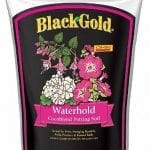 Black Gold Waterhold Cocoblend Potting Soil. This is an essential product for anyone who is concerned about water usage for landscaping. It is also a perfect answer for growing beautiful plants, such as Monrovia hydrangeas, in pots. One of the struggles of container gardening is keeping water available for plants in hot, arid weather. If you have come out on a summer afternoon to find your container plants wilted, this is probably a great product for you. The magic here is the blend of fibrous material that absorbs a lot of water, which your plants can tap during the hottest parts of the day.
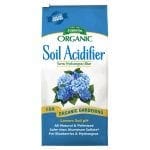 Espoma Soil Products for hydrangeas. Espoma makes a range of soil products that are specific to growing hydrangea. Their soil acidifier is a great product for keeping blue blooming hydrangea blue, and their garden lime products cause hydrangea to bloom pink, using the same soil pH and aluminum effect described by Clemson HGIC. This is the product line we referred to earlier when we said that while the chemistry sounds complex, controlling the color of the hydrangeas in your garden is fairly simple.
TIP: For a mix of colors, plant multiple hydrangeas, then add the Espoma Soil Acidifier to some pots and the Espoma Garden Lime to different pots. Some of your hydrangeas will bloom blue and others will be pink or purple. For more tips on creating beautiful blooms using hydrangea soil products, just talk to our garden experts. You can reach out to us in person at any of our locations, via our website, or just give us a call. We are always happy to help.
How to Choose the Right Hydrangea
- Hardiness zone. When choosing any plant for your garden or landscape, start with your USDA plant hardiness zone, which is based on your area’s average coldest winter temperatures (USDA). Most of coastal and inland Southern California sits in zones 9 to 11, a comfortable fit for the bigleaf varieties in the table, which are rated through zone 10. The panicle types and Miranda are rated through zones 8 and 9, so give them the cooler, brighter corners of the yard and ask our staff how they perform in your neighborhood. We are happy to help you figure out which zone you live in.
- Water. Consider the water requirements of the plants you choose. Hydrangeas like regular water, and some handle heat better than others. A plant that needs a lot of water might struggle in the hottest corner of the yard.
- Space. Hydrangeas range from 2 foot dwarfs to large hedging shrubs, and they make beautiful hedgerows or centerpieces. They also do quite well in pots or in the ground, giving you more options for how many to plant and where.
- Maintenance. For the best blooms, hydrangeas appreciate soil amendments and an occasional prune. Overall, these are fairly low maintenance plants.
- Light. Most hydrangeas, including the bigleaf types above, bloom best with morning sun and afternoon shade, and should be kept out of hot, exposed spots (Clemson HGIC). Panicle types like Early Evolution and Strawberry Shake tolerate the most sun, while Miranda prefers real shade.
These five considerations make it easier to choose the best hydrangea for your yard. Every yard should have at least one, as they are nearly unmatched in beauty when in bloom, and they are not difficult to grow.
When to Plant Hydrangeas in Southern California
Spring and fall are the best times to plant hydrangeas (Clemson HGIC), and here in Southern California fall is the sleeper pick. Temperatures are cooler than summer and new plantings adjust to transplanting much better than they would in the heat, as UC’s landscape horticulture advisors point out for fall planting in our region (UC ANR). A hydrangea planted in fall spends the mild winter quietly putting down roots, then hits spring ready to bloom. Fall is also when oakleaf hydrangeas and varieties like Hamptons show off their colored foliage, so you can pick your plant by its autumn look too.
Where to Buy Monrovia Hydrangeas Near You
Monrovia does not sell at its farms. You buy their plants at independent garden centers, and Monrovia’s own retailer locator points shoppers to local garden centers that stock the green pots (Monrovia). In Southern California, that is us: all five Green Thumb Nursery stores in Lake Forest, Ventura, Canoga Park, San Marcos, and Santa Clarita carry Monrovia hydrangeas.
Remember that hydrangeas are popular, and plant and product availability changes on a daily basis at each of our five store locations throughout Southern California. If you are interested in a particular plant featured in our garden newsletter, it is always best to call ahead and check if it is available.
Monrovia Hydrangeas: FAQs
What are Monrovia hydrangeas?
Monrovia hydrangeas are premium hydrangeas grown by Monrovia, a wholesale nursery founded in 1926 in Monrovia, California. The company grows more than 4,000 plant varieties in custom soil blends and sells them through independent garden centers like Green Thumb Nursery, usually in a signature green pot.
What hydrangea varieties does Monrovia offer?
Monrovia offers dozens of hydrangeas, including the compact reblooming Seaside Serenade collection, the 100th anniversary Centennial Ruby, Blue Enchantress with its ruby black stems, dwarf panicle Early Evolution, Strawberry Shake, and the Miranda climbing hydrangea. Availability varies by store and season, so call your local Green Thumb to check stock.
What is the Centennial Ruby hydrangea?
Centennial Ruby is a bigleaf hydrangea Monrovia released to celebrate its 100th anniversary in 2026. Its ruby red blooms hold their color in any soil, the plant stays about 3 feet tall and wide, and the first 5,000 plants carry a numbered limited edition tag.
Where can I buy hydrangeas near me?
In Southern California, you can buy hydrangeas at any of Green Thumb Nursery’s five stores: Lake Forest, Ventura, Canoga Park, San Marcos, and Santa Clarita. Hydrangea stock changes daily, so call your closest location before you visit.
Do hydrangeas grow well in Southern California?
Yes, hydrangeas grow well in Southern California when they get morning sun, afternoon shade, rich soil, and regular water. Near the coast they tolerate more sun, while in hotter inland gardens they appreciate extra afternoon shade, and sun tolerant panicle types are the safest pick for bright yards.
What does a hydrangea bush look like?
A hydrangea bush is a rounded shrub, usually 2 to 6 feet tall, with large deep green leaves and softball sized flower clusters in blue, pink, lavender, white, or red. Mophead types carry round flower balls, while lacecap types have flat flower heads with a lacy center ringed by larger blossoms.
When do hydrangeas bloom in California?
Most hydrangeas in California bloom from mid spring through summer. Reblooming varieties such as Monrovia’s Seaside Serenade collection keep producing flushes of flowers into fall, and the panicle hydrangea Early Evolution can hold color for up to five months.
Sources:
- Monrovia: Our History
- Monrovia: Seaside Serenade Hydrangea Series
- Monrovia: Centennial Ruby Hydrangea
- Clemson HGIC: Hydrangea Care
- Clemson HGIC: Hydrangea Paniculata
- UC ANR: Fall Planting in Southern California
Do you like what you see? Sign up for our weekly newsletter to get content like this every week!
Sign up for the weekly Green Thumb Nursery newsletter