

Newsletter Articles
Plants Hummingbirds Love: What to Grow to Attract Them
Written by David S.
David writes about gardening for Green Thumb Nursery in Southern California.
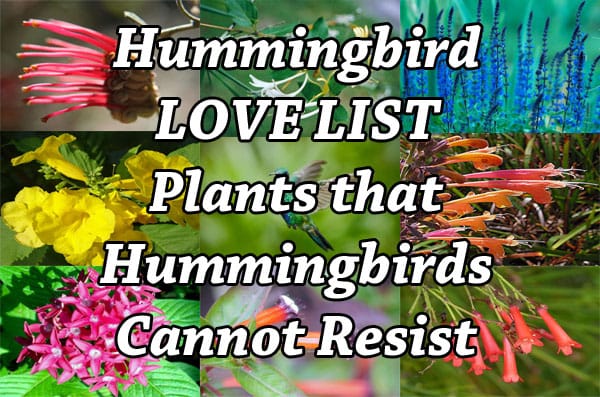
Seeing a hummingbird dart through the garden is pure joy. Many of us hang feeders to draw them in, but an even better approach is to plant the flowers they cannot resist. Fill your yard with the right nectar plants and you may coax hummingbirds to visit all season, and even to nest and stay year-round. Here are the plants hummingbirds love most in Southern California gardens (USDA zones 9 to 11), plus honest answers to the “do hummingbirds like this plant?” questions people ask most.
What Attracts Hummingbirds to Your Garden?
Hummingbirds feed on flower nectar and the small insects around it, so they seek out blooms built for them: tubular or trumpet-shaped flowers that hold a lot of nectar, usually in bright red, orange, or pink. They have excellent color vision and little sense of smell, so a flower does not need fragrance to win them over, just color, shape, and a steady supply of nectar. To make your garden a regular stop, plant their favorites in groups, choose a mix that blooms across the seasons, and skip the pesticides that wipe out the tiny insects they also eat.
Do Hummingbirds Like Pentas?
Yes, hummingbirds love pentas. Pentas (Pentas lanceolata), or Egyptian star flower, produce clusters of nectar-rich, star-shaped tubular blooms in red, pink, white, and purple from spring through fall, which makes them one of the best nectar plants for hummingbirds in pots or sunny beds.
The flat flower clusters also draw butterflies, and pentas thrive in full sun with well-draining soil. They are frost-tender, so in cooler spots they are grown as a warm-season annual, while in the mildest zones (10 to 11) they can live on as a tender perennial; bring potted plants indoors or protect them when a frost threatens.
Best Plants Hummingbirds Love in Southern California
Every plant below is a reliable hummingbird draw that grows well in our mild climate. They share the same traits: bright, tubular, nectar-rich blooms.
Pentas (Egyptian Star Flower)
As above, pentas are one of the best nectar plants you can grow. Star-shaped clusters in pink, red, white, and purple bloom for months and are perfect for containers or the front of a sunny bed. Give them well-draining soil and a layer of mulch.
Salvia (Flowering Sages)
Salvia is a huge family of sages, and many are among the very best hummingbird plants. The culinary sage you cook with is not the showy one; instead look for pineapple sage, Hot Lips, black and blue salvia, and scarlet sages, whose spikes of tubular flowers hummingbirds work tirelessly. They are easy in containers or beds with regular watering, and some grow large, so give them room.
Tecoma (Trumpet Bush)
Tecoma (trumpet bush, including Tecoma stans, or yellow bells) blooms in bright yellows, oranges, and reds, and its long, trumpet-shaped flowers are irresistible to hummingbirds. It loves heat and full sun, grows well in zones 9 to 11 (some types to 7b), and needs fast-draining soil with plenty of organic matter. It is excellent on a trellis, pergola, or arch.
Honeysuckle
Honeysuckle (especially trumpet and coral types) offers tubular flowers from creamy white to yellow, orange, and red that hummingbirds adore. In Southern California, choose native coral honeysuckle (Lonicera sempervirens) rather than the invasive Japanese honeysuckle. It can climb to about 20 feet and pairs well with a trellis or pergola, where its dense foliage also screens eyesores and softens noise. Give it full sun, well-draining soil rich in organic matter, and regular water.
Grevillea
Grevillea is an unusual, spidery-flowered shrub whose long styles are built to feed birds with long beaks and tongues, hummingbirds included. These heat-loving plants want full sun and well-drained soil rich in organic matter, and they do well in the ground or a large pot with a good layer of mulch.
Hummingbird Mint (Agastache)
The name says it all: hummingbird mint (agastache) sends up spikes of red-orange tubular flowers that are superb nectar sources. It is semi-drought-tolerant once established, though a little extra water means more blooms. Give it well-draining soil with plenty of compost. Note that this is agastache, not the culinary mint you cook with.
Cuphea (Cigar Plant)
Cuphea ignea earns its “cigar plant” nickname from slender red blooms tipped in black and white. It is easy to grow, dangles clusters of flowers in a graceful, weepy habit, and loves full sun in zones 9b to 12. Plant it in well-draining soil with organic matter and mulch.
Russelia (Firecracker Plant)
Russelia produces a cascade of tiny tubular flowers that look like clusters of firecrackers, and hummingbirds love them. It shines spilling over a wall, trellis, or arch, blooms from spring into fall in full sun, and does best in zones 9 to 11 with regular watering to keep the blossoms coming.
Do Hummingbirds Like These Plants? A Quick Guide
People ask about many specific plants. Here is an honest rundown: some are excellent hummingbird plants, while others are better for bees or add little for hummingbirds.
| Plant | Attracts hummingbirds? | Notes |
|---|---|---|
| Pentas | Yes | Top nectar plant; also draws butterflies |
| Salvia (sages) | Yes | Among the very best; tubular flower spikes |
| Lantana | Yes | Nectar-rich; a butterfly favorite too |
| Tecoma (trumpet bush) | Yes | Big tubular trumpets in hot colors |
| Mandevilla | Yes | Tropical vine with showy tubular blooms |
| Honeysuckle | Yes | Trumpet and coral types are best |
| Hummingbird mint (agastache) | Yes | Classic nectar spikes; not true mint |
| Calibrachoa (million bells) | Yes | Small nectar trumpets, great in containers |
| Weigela | Yes | Spring-blooming shrub hummingbirds visit |
| Fuchsia | Yes | Classic dangling tubular flowers; a hummingbird favorite |
| True mint (Mentha) | Not really | Small flowers mainly draw bees; “hummingbird mint” (agastache) is the hummingbird plant |
| Impatiens / SunPatiens | Somewhat | Occasional visits; not a top nectar source |
| Strawberry | Not really | Bee- and wind-pollinated; flat, low-nectar white flowers |
| Lupine | Somewhat | Mainly a bee flower; some species get occasional hummingbird visits |
| Snapdragons | Not really | Mostly a bee flower; hummingbirds rarely work them |
| Crepe myrtle | Not really | More a bee and pollen plant; low nectar |
| Pansies | No | Flat, low-nectar blooms; not a hummingbird plant |
Tips to Attract Hummingbirds
A few simple habits turn a garden into a hummingbird destination:
- Plant their favorites in groups so the color is easy to spot from the air.
- Choose a mix that blooms across the seasons for a steady nectar supply; drought-tolerant perennials like echinacea (coneflower) help bridge the gaps.
- Skip the pesticides, since hummingbirds also eat the tiny insects in your garden.
- Add a clean feeder (one part white sugar to four parts water, no red dye or honey) and a little moving water to supplement the flowers.
For a deeper plan, including year-round care and feeder tips, see our guide to attracting hummingbirds year-round.
Frequently Asked Questions
Do hummingbirds like pentas?
Yes. Pentas are one of the best hummingbird plants you can grow, with clusters of nectar-rich, star-shaped flowers that bloom from spring into fall. They also attract butterflies and do beautifully in pots or sunny beds.
Do hummingbirds like salvia?
Yes. Flowering sages (salvia) are among the very best hummingbird plants, with spikes of tubular flowers full of nectar. Try pineapple sage, scarlet sage, or black and blue salvia.
Do hummingbirds like lantana?
Yes. Lantana’s nectar-rich flower clusters draw both hummingbirds and butterflies, and it thrives in heat and full sun.
Do hummingbirds like mint?
It depends which mint. Hummingbirds love “hummingbird mint” (agastache), which is in the mint family but is not a true culinary mint. Common mint (Mentha) is not really a hummingbird plant; its small flowers mainly attract bees.
What flowers attract hummingbirds the most?
Bright, tubular, nectar-rich flowers attract them most, such as pentas, salvia, tecoma, honeysuckle, fuchsia, and agastache. Red, orange, and pink blooms stand out to them especially well.
What color flowers attract hummingbirds?
Red, orange, and pink flowers attract hummingbirds most strongly, but they will visit nectar-rich blooms of many colors once they find your garden.
Do hummingbirds like strawberry flowers?
Not really. Strawberry flowers are flat, white, and low in nectar, and they are pollinated mainly by bees and wind, so they are not a meaningful draw for hummingbirds.
Are plants or feeders better for attracting hummingbirds?
Nectar plants are the better long-term draw, giving hummingbirds natural food and shelter. Feeders are a helpful supplement if you keep them clean and use one part sugar to four parts water, with no dye or honey.
Sources
- Audubon, How to Create a Hummingbird-Friendly Yard
- Penn State Extension, Attracting Hummingbirds
- UC Master Gardeners, Creating Hummingbird Gardens
- University of Florida IFAS, Hummingbird Gardens
- Clemson Cooperative Extension, Hummingbird Favorite: Pentas
- Clemson Cooperative Extension, Hummingbird Favorite: Salvia
- North Carolina State Extension, Lonicera sempervirens (Coral Honeysuckle)
- Oregon State University, Evaluating Grevillea
You may have noticed these are nearly all bright, tubular, nectar-rich bloomers, which is exactly what hummingbirds look for. Inventory changes daily, so call ahead if you want a specific plant. Visit any of our Green Thumb Nursery locations in Southern California and our garden experts will help you build a garden hummingbirds cannot resist.
Do you like what you see? Sign up for our weekly newsletter to get content like this every week!
Sign up for the Green Thumb Nursery newsletter