

Newsletter Articles
Growing Mums in Your Southern California Garden
Written by Susan B.
Short answer: Mums are the signature fall flower, and the garden (hardy) mums we sell are perennials, in our mild Southern California climate they come back and bloom each fall, unlike the foil-wrapped florist mums at the grocery store, which are really just temporary decor. Give them full sun, well-drained soil, and steady water; pinch them back through early July for a bushy fall show; and one note for pet owners, keep them where curious dogs and cats can’t nibble, since mums are mildly toxic to pets.
We can’t think of any flowering plant more synonymous with fall than the mum (Chrysanthemum). Mums are the ideal plant to infuse fall color into your garden, and with hundreds of species and thousands of hybrids, you’ll have no trouble finding the flower sizes, shapes, and colors you want for garden beds or for containers on your deck, patio, or porch.
About Chrysanthemums
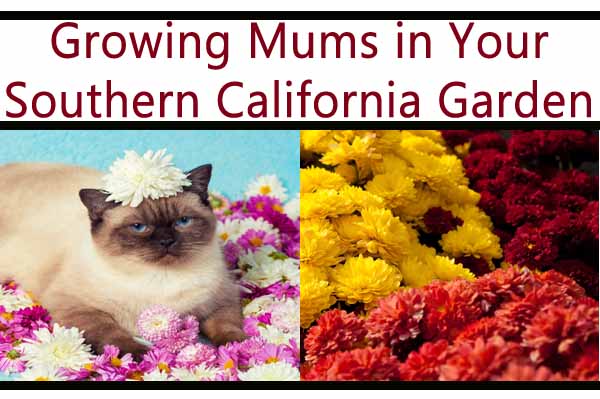
Chrysanthemums have been cultivated in China for well over a thousand years, prized for centuries before they ever reached Western gardens. The garden mum you buy today is Chrysanthemum × morifolium (you may also see the older name Dendranthema × grandiflorum) (NC State Extension). Their flower size can be small (about the size of a quarter) or massively large (about the size of a 9-to-10-inch dinner plate), with one or two layers of petals. They can have a mounding habit that looks like a blanket of flowers; petals can be tubular, quill-like, frilly, or pom-pom shaped (think high school and college homecoming), and some cultivars even look like daisies. Colors range from lavender, orange, purple, red, and yellow to white and bi-colors. Mums are also short-day plants, they set buds and bloom as the nights grow longer in fall, which is exactly why they’re the signature autumn flower (Iowa State Extension).
Garden Mums vs. Florist Mums
This is the one thing worth knowing before you buy. Garden (hardy) mums are the perennial type, cold-hardy, with a strong root system, coming back year after year. Florist mums, the lush, foil-wrapped pots at the grocery store, are forced for a single showy season and generally won’t survive as outdoor perennials (Iowa State Extension). For plants that return each fall, buy garden mums from a nursery like ours.
| Garden (Hardy) Mums | Florist Mums | |
|---|---|---|
| Where you find them | Nurseries & garden centers | Grocery stores, florists (foil-wrapped) |
| Cold hardiness | Hardy perennial | Not winter-hardy |
| Lifespan outdoors | Returns each fall | One season, temporary decor |
| Best use | Permanent garden color | Short-term display |
Using Mums
Garden mums are incredibly versatile, and in our mild climate they bloom far longer than they would in cold areas. For a dramatic punch at your front or back door, use one large plant in a single color, or several smaller plants in contrasting colors; you can transplant container mums into the garden once the fall display is done. For a mixed container, use the thriller, filler, spiller method: taller mums in the center (thriller), shorter annuals filling in around them (filler), and low cascading plants over the edges (spiller). Plant mums in beds, along borders, or in containers at strategic spots. They attract butterflies and other late-season pollinators, and they’re excellent in a cutting garden, cut flowers last up to two weeks in a bouquet.
Growing and Caring for Chrysanthemums
Mums aren’t difficult once you know what they need. They do best in full sun, at least six hours a day, in soil rich in organic matter with excellent drainage; work in well-rotted compost or aged manure (NC State Extension). Mums are shallow-rooted, so they dry out fast and need frequent water, more in heat or drought, and a layer of mulch helps the soil hold moisture, especially in the ground. For pots, use a mix with organic matter, peat moss, vermiculite, or perlite (or add coconut coir) to keep drainage sharp.
If you want your mums to come back as perennials, spring is the best time to plant them, which gives the roots all season to establish (Iowa State Extension). During the growing season, pinch the plants: remove about an inch from the branch tips two or three times to force bushy side shoots and more blooms. Stop pinching by about mid-July (many gardeners stop by the Fourth of July), any later and the plant won’t have time to set buds before cooler fall temperatures arrive (Virginia Cooperative Extension). After bloom, resist cutting plants to the ground in fall; leaving the old growth standing through winter helps them survive, and you can divide crowded clumps every two or three years in early spring (Iowa State Extension).
Bug, Pest, and Disease Problems
Mums are most prone to aphids, caterpillars, leafhoppers, leafminers, and spider mites. Rich, well-amended soil keeps plants vigorous and better able to shrug off trouble, and happily, mums don’t appeal to deer or rabbits. Avoid overwatering: with their shallow roots, soggy soil or poor drainage leads to fast rot, and wet foliage invites leaf disease, so keep the leaves dry, especially at night (Virginia Cooperative Extension). Water container mums by setting the pot in a tub of water so it soaks up from the bottom, and water in-ground plants with a soaker hose or drip line to keep water at the roots and off the leaves.
Are Mums Safe Around Pets?
One note for pet households: chrysanthemums are listed as toxic to dogs, cats, and horses by the ASPCA, they contain pyrethrins and related compounds. Most pets leave them alone and reactions are usually mild (drooling, an upset stomach, or skin irritation from handling), but it’s smart to place pots where curious pets can’t nibble them, and to call your vet if you suspect a pet ate some.
Varieties to Consider
‘Fireglow Bronze’ is an 18-inch bush with branches of double golden flowers. ‘Homecoming’ is a giant with 3-foot stems and peach-colored blooms the size of fall-corsage flowers, hence the name. ‘Ruby Mound’ has lush plants with large, semi-double, ruby-red flowers. ‘Clara Curtis’ is an old-fashioned heirloom type with small (2-to-3-inch) pink, daisy-like flowers and golden-yellow centers.
We encourage you to fill your fall displays with mums. Our garden experts can help you choose garden mums for containers or beds and the right soil amendments for the showiest display, and if you’re planning ahead for the holidays, don’t miss our guide to poinsettias. Browse more water-wise outdoor plants while you’re here.
Sources:
Do you like what you see? Sign up for our weekly newsletter to get content like this every week!
Mum Care FAQs
Are mums annual or perennial?
Garden (hardy) mums are perennials, in mild Southern California (roughly USDA zones 9 to 10) they come back and bloom each fall. Florist mums, the foil-wrapped kind from the grocery store, are forced for one season and usually won’t survive outdoors.
Are grocery-store mums the same as garden mums?
No. The lush, foil-wrapped florist mums are bred and forced for a single showy season and are not reliably winter-hardy. For plants that return each fall, buy garden (hardy) mums from a nursery or garden center.
Are mums easy to grow?
Yes, garden mums are one of the easiest fall perennials for Southern California. Plant them in full sun and well-drained soil, water steadily because they’re shallow-rooted, and pinch the tips until about mid-July for a bushy, flower-packed plant. Treat grocery-store florist mums as one-season color.
Do mums need full sun?
Yes, give mums at least six hours of direct sun a day, in well-drained soil rich in organic matter. Because they’re shallow-rooted, they also need steady, frequent watering.
Where do mums grow best?
Mums grow best in full sun with rich, well-drained soil, six or more hours of direct light gives the fullest bloom. In hot inland Southern California, a little afternoon shade keeps the flowers from scorching and makes them last longer. Avoid deep shade and soggy soil, since they’re shallow-rooted.
When should you stop pinching mums?
Pinch the branch tips a few times through spring and early summer for a bushy plant, then stop by about mid-July (many gardeners stop by the Fourth of July). Pinching later leaves too little time for buds to set before fall.
Are mums poisonous to pets?
Yes, mildly. The ASPCA lists chrysanthemums as toxic to dogs, cats, and horses because of pyrethrins and related compounds. Reactions are usually mild, drooling, upset stomach, or skin irritation, but keep pets from nibbling them and call your vet if one eats some.