

Newsletter Articles
Poinsettia Care: How to Keep Your Christmas Poinsettia Thriving
Written by Marge B.
Short answer: Give your poinsettia bright, indirect light, keep it around 65-70 degrees F and away from cold drafts and hot vents, and water only when the soil surface feels dry, never let it sit in water. And don’t worry about the old poison scare: poinsettias are not deadly. The milky sap can irritate skin and stomachs, so keep pets and little ones from chewing the leaves, but a nibble is not the emergency the myth suggests.
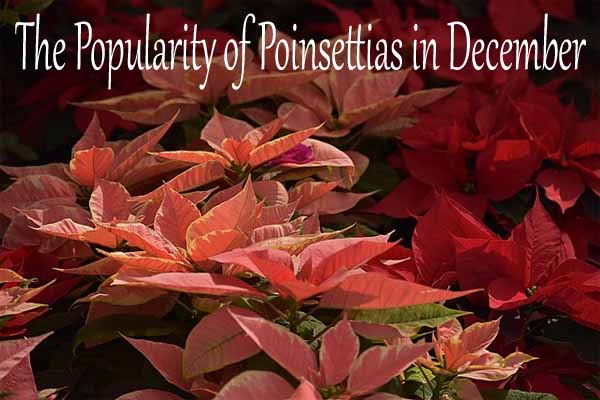
In December, bright red poinsettias fill homes, stores, offices, and businesses, they are the plant of the holiday season. In Spanish the poinsettia is called Flor de Nochebuena (Flower of the Holy Night), because the bloom looks like a star, echoing the Star of Bethlehem. One thing surprises most people: those bright red “petals” are not flowers at all. They are colored leaves called bracts, and the true flowers are the small yellow buds (cyathia) clustered in the center (University of Illinois Extension).
A Little Poinsettia History
Native to Mexico, the poinsettia was given its botanical name, Euphorbia pulcherrima, in Europe around 1834. It takes its common name from Joel Roberts Poinsett, the first United States Minister to Mexico, who introduced the plant to the United States in the 1820s, on one trip home he brought a plant back to his home in South Carolina. December 12 is National Poinsettia Day. There are over one hundred varieties, in shades of red, pink, white, yellow, and purple, all members of the Euphorbia (or Spurge) family. The ancient Aztecs considered white poinsettias a symbol of purity; pink poinsettias symbolize feminine beauty and signify love and healing from grief and anxiety, and are popular as a springtime flower in Japan.
Are Poinsettias Poisonous? The Myth, Debunked
This is the question we hear every December, and the honest answer is reassuring: poinsettias are not the deadly poison the myth claims. The National Capital Poison Center puts it plainly, a poinsettia “can be irritating but it is not fatal if eaten” (Poison Control). A review of 22,793 poinsettia exposures found that 92.4% required no treatment at all, and researchers estimate a 50-pound child would have to eat more than 500 bracts to feel sick (University of Illinois Extension). The ASPCA lists poinsettias as only mildly toxic to dogs and cats, irritating, but “generally over-rated in toxicity” (ASPCA). That said, the plant is not a snack: the milky sap can irritate skin and cause mild mouth or stomach upset, so keep pets and small children from chewing the leaves, and wash your hands after pruning, especially if you have a latex sensitivity, since the sap is a natural latex.
How to Pick a Healthy Poinsettia
Choose a plant with lots of healthy, fully colored bracts and no yellow pollen showing on the little central flowers, visible pollen means the plant is past its peak. A good full plant should be about two and a half times as wide as its pot.
Caring for Your Poinsettia Indoors
Poinsettias are tropical plants that like warmth, light, and a little humidity. Give yours about six hours of bright, indirect light a day, near a sunny window is perfect, but don’t let the bracts press against cold glass. Keep daytime temperatures around 65-70 degrees F and nights no colder than about 60, and keep the plant away from both cold drafts and hot air vents; sudden temperature swings make the bracts drop (University of Illinois Extension). Water only when the soil surface feels dry, check with a finger, and never let the pot sit in a puddle. If there is decorative foil around the pot, poke holes in the bottom so water can drain out, which prevents root rot. A pebble tray adds humidity. Don’t fertilize while the plant is in bloom. With good care, the colorful bracts last 6 to 8 weeks, and often longer.
After Christmas: Keeping It Alive and Reblooming
You can absolutely keep a poinsettia past the holidays. As the bracts fade and leaves drop, ease off the water and let the plant rest. In early to mid-spring (around April), cut the stems back to about 6-8 inches and move the plant to a bright spot; when new growth appears, you can resume a regular liquid fertilizer.
Here is the part most people miss, how to turn it red again. The poinsettia is a “short-day” plant, meaning it only sets color when the nights grow long. Starting in early October, give it about 14 hours of complete, uninterrupted darkness every night, tuck it in a closet or cover it with a box from early evening until morning, and bright light during the day. Keep that up for about 8 to 10 weeks and the bracts will color up right in time for Christmas. Even a few minutes of light during those dark hours can keep it from coloring, so be consistent (Clemson Extension; Penn State Extension).
Growing Poinsettias Outdoors in Southern California
Here in frost-free Southern California (roughly USDA zones 9b-11), a poinsettia can graduate from potted gift to permanent landscape shrub, in its native Mexico it grows 10 to 15 feet tall. Green Thumb carries garden varieties such as the St. Louis Red, which can reach about 8 feet tall and 10 feet wide. Plant it in full sun in a protected spot after the danger of frost has passed; poinsettias are frost-tender and suffer damage below about 50 degrees F. They adapt to dry or moist soil but will not tolerate standing water. Prune hard, back to about 6 inches, in early spring, then pinch the stems every few weeks through summer to keep the shrub full and bushy (UC Master Gardeners). Potted poinsettias set in the garden often live only a year or two, though there are exceptions, a 2016 CBS story told of a man in Hammonds Plains, Nova Scotia who kept one alive for over 20 years. For more houseplants to brighten the season indoors, browse our indoor plants, and if a plant ever starts to struggle from overwatering, here is how to revive a dying plant.
A Christmas Legend
There is a lovely legend that the Christmas poinsettia represents the birth and death of Christ:
The Poinsettia is the flower of the holy night, inspired by a bright star blessed in heavenly sight. Over Christ in the manger the star of Bethlehem shone, while Mother Earth created a flowering star of her own. The many pointed petals so soft in snowy white surrounded a golden center like a star shining bright. Later, when Christ died, the white petals turned red, in honor of our Lord and the blood he shed.
Even on a budget, a beautiful poinsettia is an inexpensive way to bring holiday cheer to a home or office. For those born in December, the poinsettia is the honorary birth-month flower, symbolizing good cheer, success, joy, and celebration, whatever its color. The garden experts at Green Thumb Nursery are happy to help you pick the perfect poinsettias and other plants for your holiday celebrations, and to show you how to keep them beautiful.
Sources:
- University of Illinois Extension
- Poison Control
- University of Illinois Extension
- ASPCA
- University of Illinois Extension
- Clemson Extension
- Penn State Extension
- UC Master Gardeners
Do you like what you see? Sign up for our weekly newsletter to get content like this every week!
Poinsettia Care FAQs
Are poinsettias poisonous?
Not the way the old myth claims. Poinsettias are not deadly, Poison Control says a poinsettia can be irritating but is not fatal if eaten, and the ASPCA calls their toxicity to pets generally over-rated. The milky sap can irritate skin and cause mild mouth or stomach upset, so keep pets and small children from chewing the leaves, but a nibble is not a poisoning emergency.
How do you take care of a poinsettia indoors?
Give it about six hours of bright, indirect light a day, keep it around 65 to 70 degrees F and away from cold drafts and hot vents, and water only when the soil surface feels dry. Never let the pot sit in water, poke drainage holes in any decorative foil. With good care the bracts stay colorful for 6 to 8 weeks or more.
How do you get a poinsettia to turn red again?
Poinsettias are short-day plants. Starting in early October, give the plant about 14 hours of complete, uninterrupted darkness every night (a closet or a box over it works) plus bright light by day, for about 8 to 10 weeks. Any light during the dark period can prevent it from coloring, so be consistent and the bracts will color up by Christmas.
How long do poinsettias last?
Indoors with good care, the colorful bracts typically last 6 to 8 weeks, and a healthy, well-cared-for plant can hold color for 2 to 3 months before the bracts drop.
Can you plant poinsettias outside in Southern California?
Yes. In frost-free parts of Southern California (about USDA zones 9b to 11) poinsettias can be planted outdoors and grow into multi-foot shrubs. They are frost-tender and damaged below about 50 degrees F, so give them a sunny, protected spot and prune them back in early spring.