

Newsletter Articles
7 Vining Plants for Shade on a Pergola, Arbor, or Trellis
Written by David S.
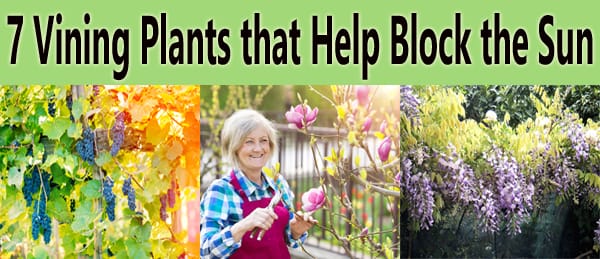
In hardiness zones 9 to 11, it is nice to have a little shade in the summer. Below we go over seven vining plants that help to create shade and block the sun. Maybe that means creating dappled shade in first floor rooms. Perhaps that means creating a space where you can enjoy the outdoors in comfort. When you pair the right vining plant with the perfect support structure, you can achieve excellent results.
Quick answer: The best vining plants for blocking sun in Southern California are wisteria, grapes, climbing roses, trumpet vine, trumpet honeysuckle, jasmine, and clematis. Heavyweight vines such as wisteria and grapes belong on a sturdy pergola, where they grow a dense leafy roof of shade, while lighter vines such as star jasmine and clematis are perfect for a trellis or arch. Give most of them full sun on top and they will fill in within a few seasons.
Match the Vine to the Structure
A pergola creates an open air room and gives you the most shade, an arch is impressive over gates and walkways, and a trellis suits smaller, lightweight plants. Vines appreciate just about any structure that allows them to climb, but the idea here is to create a shape that benefits you. The significant consideration with a trellis is wind: a large plant on a support that is not adequate will catch the wind and topple. And if you have ever wondered what a shaded structure covered in plants and vines is called, that is an arbor or a pergola, as defined by University of Florida IFAS.
Weight matters most when you choose. Grapes, wisteria, and bougainvillea are heavy vines that need a pergola or a heavy duty trellis, while roses, clematis, and jasmines are happy on lighter supports. For a full breakdown of pergolas, arbors, arches, and gazebos, and how to choose between them, see our garden structures guide. If you are planning a whole outdoor room, our landscape design service at our Lake Forest store can help you put the plan together.
The 7 Best Vining Plants for Shade
Here is the shortlist at a glance, followed by what you need to know about each one.
| Vine | Size on a structure | Best structure | Flowers and features | Sun needs |
|---|---|---|---|---|
| Clematis | 8 to 12 ft | Trellis or arch | Big blooms in many colors | Sun on top, shaded roots |
| Trumpet honeysuckle | 10 to 20 ft | Arch, trellis, or pergola | Coral trumpets, hummingbirds | Full sun to light shade |
| Star and pink jasmine | To about 20 ft | Trellis, arch, or pergola | Fragrant white or pink bloom | Sun or part shade |
| Grapes | 10 to 20 ft trained | Pergola or arbor | Shade plus fruit, fall color | Full sun |
| Climbing roses | 8 to 15 ft, Lady Banks to 40 ft | Trellis, arch, or pergola | Classic flowers in many colors | Full sun |
| Wisteria | 20 to 30 ft | Sturdy pergola | Purple or white spring cascades | Full sun |
| Trumpet vine | 30 to 40 ft | Sturdy pergola | Orange, red, or yellow trumpets | Full sun |
1. Clematis
Wonderful to zone 9, clematis grow 8 to 12 feet and are available in a broad mix of colors. These are lovely on a trellis or an arch. Clemson Cooperative Extension confirms most large flowered hybrids stay in that 8 to 12 foot range, and the classic rule is to keep their heads in the sun and their feet in the shade, so mulch the root zone or tuck a low plant at the base. In our hot inland valleys, a spot with a little afternoon shade keeps them happiest. One pruning note: spring bloomers that flower on last year’s wood should be pruned right after they bloom, not in winter.
2. Honeysuckle (Choose the Right One)
Honeysuckles are fantastic for arches and pergolas, and when pruned, for trellises. The one to plant is trumpet honeysuckle (Lonicera sempervirens), a twining vine that reaches 10 to 20 feet with coral trumpet flowers hummingbirds cannot resist, per North Carolina State Extension. Skip old fashioned Japanese honeysuckle (Lonicera japonica): NC State calls it a rampant, highly invasive grower, it appears in the Cal-IPC Invasive Plant Inventory, and it will escape your trellis and swallow everything nearby.
3. Jasmine
Jasmines stretch to about 20 feet, but their light weight makes them ideal for trellises, arches, and on a pergola with other types of plants. Star jasmine is wonderfully fragrant but not a true jasmine, according to NC State Extension, and it blooms in full sun or part shade, which makes it one of the most flexible shade vines you can plant. Its cousin pink jasmine covers itself in rosy buds and starry white flowers from late winter into spring and also reaches about 20 feet, per Oregon State University.
4. Grapes
If you fancy becoming a winemaker, then the good news is that wine grapes do well across much of Southern California when you choose varieties suited to your microclimate. You can also do very well with table grapes such as Thompson Seedless or Flame, both recommended by UC IPM for California gardens. Grapes need full sun to fruit well, and a vine trained over a pergola or arbor typically shades 10 to 20 feet. For a native option, California wild grape (Vitis californica) can reach 40 feet, covers an arbor quickly, turns brilliant red in fall, and is highly drought adapted once established, according to Calscape. Shade plus fruit is a hard combination to beat.
5. Climbing Roses
Most climbing roses climb 8 to 15 feet and bloom best in full sun, per Clemson Cooperative Extension. They come in a plethora of colors, so finding the perfect climber is not tricky. They are ideal for trellis, pergola, or arches and make lovely additions to window areas, outdoor sitting areas, and gateways. For serious coverage, Lady Banks rose is the classic Southern California pergola rose: NC State Extension calls it a rapid grower that can reach upwards of 40 feet, with nearly thornless canes and yellow or white spring bloom. It flowers on old wood, so prune it right after it blooms. For planting windows and feeding schedules, see our guide to growing roses in Southern California.
6. Wisteria
Available in purple or white, plus lilac and blue, wisteria grows 20 to 30 feet on a structure, making it ideal for first or second story windows or on a pergola. Respect its strength: Utah State University Extension warns that wisteria is capable of destroying all but the strongest wooden or metal structures, so build the pergola heavy duty and keep the vine off your house. Prune it twice a year, once before it leafs out in spring and again just after flowering. We cover varieties and care in our full guide to growing wisteria.
7. Trumpet Vine
Cold hardy in far chillier climates than ours, trumpet vine (Campsis radicans) grows 30 to 40 feet, making it a lovely topper for a pergola. Flowers come in orange, red, and yellow, per NC State Extension, and hummingbirds love them. Two honest cautions: mature vines carry considerable weight, so give it a sturdy structure, and it suckers profusely from underground runners, so plant it away from lawns, patios, and foundations. If you have seen a purple trumpet vine around town, that is actually violet trumpet vine, a different and better behaved plant we cover below.
Two More Sun Blockers Worth a Look
We mentioned bougainvillea as a pergola candidate above, and it earns the spot. It reaches 15 to 40 feet, shrugs off drought once established, and blooms hardest in full sun, per NC State Extension. It is happiest from zone 9b up, so in colder inland pockets give it a warm, sheltered spot, since a hard frost can knock it back.
Violet trumpet vine (Clytostoma callistegioides) is the purple flowered lookalike people often mistake for trumpet vine: an evergreen vine with lavender to purple trumpet flowers that takes full sun to partial shade and is best grown on a fence or pergola, according to University of Florida IFAS. It gives you the trumpet vine look without the aggressive suckering.
Covering a fence rather than shading a structure? We have a separate guide to climbing plants that hide an ugly fence.
How Much Sun Do Vines Need?
Most vines prefer full sun, which means six or more hours of direct light a day. University of Illinois Extension notes that flowering vines will survive in a shaded spot, but flowering may be reduced considerably, so if you want a thick, blooming canopy, sun on top is the rule.
The reason is in their nature. Many vines evolved as understory climbers, creeping along the forest floor and then climbing up trees to reach the full sun at the top of the canopy. It is a sneaky adaptation that is genius in growing conditions where most of the prime sunning locations are taken.
If your spot only gets part shade, plant star jasmine or violet trumpet vine, both of which still bloom with less light. And remember the clematis trick: roots in the shade, flowers in the sun.
Soil, Water, and Pruning for Vining Plants
Give most vines well draining, consistently moist soil that is slightly acidic, around 6.0 to 6.5; some vines, such as honeysuckle, tolerate a wider range. Each vine has its own sweet spot, so check the plant tag or ask our staff.
Two common amendments do different jobs here, and they are easy to mix up: vermiculite helps a mix hold moisture, while perlite improves drainage and aeration, as University of New Hampshire Extension explains. Vines love nutrient rich soil, so start with a quality organic compost or planting mix. Our stores carry blends such as FoxFarm Ocean Forest, Black Gold organic potting soil, and E.B. Stone Soil Booster, and our staff can point you to the right one for your vine.
Watering: Most vines need consistently moist soil. Aim to keep the root zone, roughly the first foot of soil, evenly moist, and water deeply rather than lightly. That may mean watering once per week or more often. Many vines are also drought tolerant once established, but not all.
Pruning: Remember that you want to create a shape that benefits your needs. The general rule, per University of Georgia Extension, is that vines blooming in summer on new wood, such as trumpet vine, are pruned in late winter before spring growth, while spring bloomers that flower on old wood, such as Lady Banks rose and many clematis, are pruned right after they finish flowering. Wisteria gets its own schedule, twice a year as noted above. If you are growing out a vine to cover a pergola, heavy pruning may not be necessary, and some vines flower better after they are pruned.
Shade Vine FAQs
Do vines need full sun?
Most flowering vines need six or more hours of direct sun each day to bloom well. University of Illinois Extension notes that vines will survive in a shaded spot, but flowering may be reduced considerably. The classic exception is clematis, which wants sun on its flowers and cool shade over its roots.
What is the best vine to cover a pergola for shade?
Wisteria and grapes are the best pergola shade vines for Southern California because both grow a dense leafy roof on a sturdy structure. Wisteria runs 20 to 30 feet, and a trained grape vine shades 10 to 20 feet of pergola. Bougainvillea is the best low water choice, and trumpet vine is the toughest once established. All of them are heavyweights, so build the pergola strong.
What is the fastest growing vine for shade?
Trumpet vine and Lady Banks rose are two of the fastest growing shade vines for Southern California. NC State Extension rates trumpet vine growth as rapid, reaching 30 to 40 feet, and describes Lady Banks rose as a rapid grower that can reach upwards of 40 feet. California wild grape is the fastest native option and can cover an arbor within a few seasons.
Which vines grow in shade without much sunlight?
Star jasmine and violet trumpet vine both bloom in partial shade, which makes them the best vining plants for a spot without full sun. No flowering vine thrives in deep shade, though: less light always means fewer flowers, so give any vine the brightest spot you have.
Will vines damage a pergola or arbor?
Heavy vines can. Utah State University Extension warns that wisteria is capable of destroying all but the strongest wooden or metal structures, and mature grape and trumpet vines carry serious weight too. Build heavy duty supports for those, and save standard trellises for lightweight vines such as clematis and jasmine.
When should you prune a vine on a pergola or trellis?
Prune summer blooming vines such as trumpet vine in late winter, and prune spring bloomers that flower on old wood, such as Lady Banks rose and many clematis, right after they finish blooming. Wisteria is pruned twice a year, before spring leaf out and again after flowering. Skip heavy pruning while a young vine is still covering its structure.
Can you grow grapes over a pergola in Southern California?
Yes. Table grapes such as Thompson Seedless and Flame are recommended by UC IPM for California gardens, and wine grapes do well in zones 9 and 10 when you choose varieties suited to your microclimate. Plant grapes in full sun and expect a trained vine to shade 10 to 20 feet of pergola.
Sources
- Clemson Cooperative Extension: Clematis
- Clemson Cooperative Extension: Growing Roses
- NC State Extension: Lonicera sempervirens (Trumpet Honeysuckle)
- NC State Extension: Lonicera japonica (Japanese Honeysuckle)
- California Invasive Plant Council: Lonicera japonica Assessment
- NC State Extension: Trachelospermum jasminoides (Star Jasmine)
- Oregon State University: Jasminum polyanthum (Pink Jasmine)
- UC IPM: Cultural Tips for Growing Grape
- Calscape: California Wild Grape
- NC State Extension: Rosa banksiae (Lady Banks Rose)
- Utah State University Extension: Wisteria in the Garden
- NC State Extension: Campsis radicans (Trumpet Vine)
- NC State Extension: Bougainvillea
- University of Florida IFAS: Vines for the Landscape
- University of Illinois Extension: Caring for Vines
- University of New Hampshire Extension: Potting Mix Components
- University of Georgia Extension: Pruning Ornamental Plants
- University of Florida IFAS: Arbor, Trellis, or Pergola
If vining plants are in your future, be sure to stop by and check out the wide selection. Our plant experts are available to help you choose the best variety of vining plants for your yard, and they can help you pick out structures, such as a pergola kit, to support your vines.
Do you like what you see? Sign up for our weekly newsletter to get content like this every week!