

Newsletter Articles
Dormant Spraying Fruit Trees in Southern California
Written by James P.
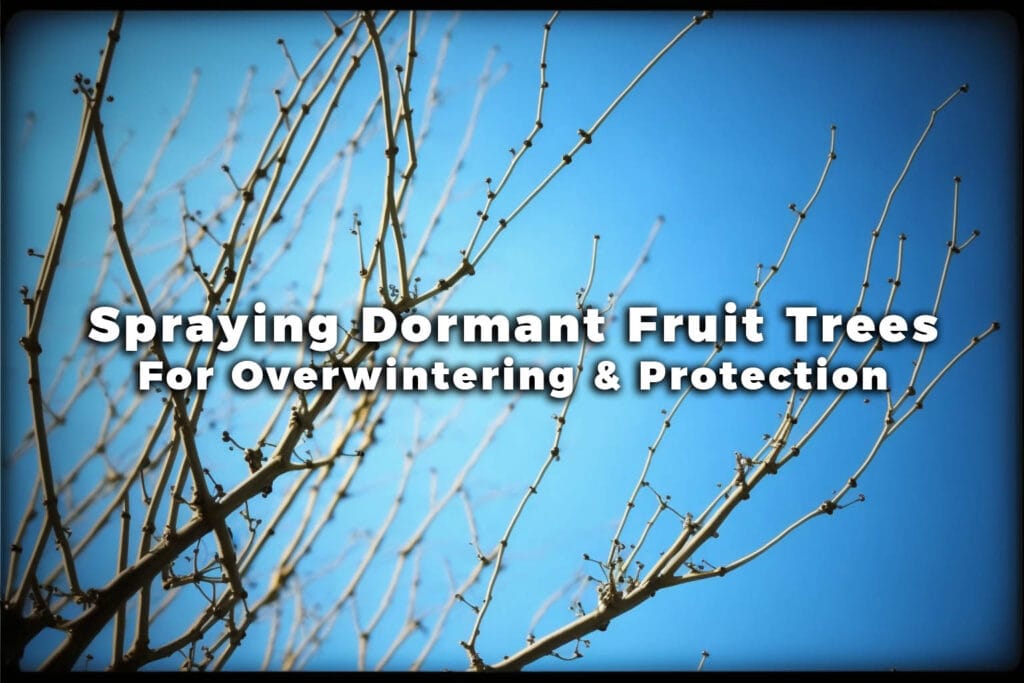
Dormant spraying means treating deciduous fruit trees while they are leafless and dormant, from late fall through winter, to knock back overwintering pests and prevent diseases like peach leaf curl before the tree wakes up in spring. The two workhorse treatments are horticultural (dormant) oil for overwintering insects and a fixed copper fungicide for fungal diseases. The timing is keyed to the tree’s dormant stage, not to cold, so it still matters in mild Southern California winters.
Quick answer: Spray deciduous fruit trees (peach, nectarine, apricot, plum, apple, pear) while they are fully leafless in winter, on a dry, calm day that is not freezing or hot. Use horticultural oil for overwintering aphids, scale, and mites, and fixed copper after leaf fall for peach leaf curl and shot hole. Never spray while the tree is in bloom, to protect bees, and always follow the product label.
What Is Dormant Spraying, and When Do You Do It?
Dormant controls are applied in fall, winter, and early spring, after deciduous trees have dropped their leaves and before new growth begins, to control overwintering insects and prevent disease.[1] Trees are fully dormant roughly December through January; the “delayed dormant” stage begins as buds start to swell (often February) and runs up to green-tip. Which stage you target depends on the pest: full dormant for scale, delayed dormant for aphid and mite eggs.[2] Because the timing is set by the tree’s leafless, bud-swell stage rather than by freezing temperatures, dormant spraying still has a place in our mild SoCal winters, especially for peach leaf curl and shot hole. For the bigger seasonal picture, see our guide to preparing fruit trees to go dormant.
Dormant Oil: What It Controls
Horticultural oils control aphids, whiteflies, mealybugs, scale insects, spider mites, psyllids, and thrips, which makes a dormant oil spray effective against the soft-bodied insects, eggs, and scale overwintering on bare branches; the oil works by coating and smothering them.[3] Timing and conditions matter: apply before bud swell, on a dry day, and not during fog or rain, not when the tree is water stressed, and not before hot or freezing weather (over 90 degrees F or under 32 degrees F).[2] One important rule: on deciduous trees, do not apply oil within 30 days before or after a sulfur spray, or you risk damaging the tree.[2] Oils are for deciduous trees in dormancy; do not use this approach on evergreen citrus or avocado, which do not go dormant.[2]
Copper for Peach Leaf Curl and Shot Hole
Peach leaf curl is a fungal disease (Taphrina deformans) that distorts leaves, shoots, and fruit on peach and nectarine trees only. The least-toxic effective treatment for backyard trees is a fixed copper fungicide such as copper soap (copper octanoate), applied just after the leaves have fallen (usually late November or December), with a second application in late winter before buds swell in high-rainfall or wet years; adding 1% horticultural oil to the copper spray improves how well it sticks.[4] Copper applied after leaf drop also helps with shot hole (Coryneum blight), which affects apricot (especially), peach, nectarine, and ornamental plum, with a repeat before bud swell on highly susceptible apricots or during prolonged wet springs.[5] GreenThumb’s own overview of peach leaf curl has more on recognizing the disease.
A Note on Lime Sulfur
If you remember lime sulfur as the classic dormant fungicide, note that it is no longer registered or available for backyard use in California.[6] For home gardeners, fixed copper is the recommended dormant fungicide for peach leaf curl, and chlorothalonil is the one non-copper synthetic fungicide still available for it.[4]
Is Neem Oil Safe for Fruit Trees?
Yes, neem and other plant-based or narrow-range horticultural oils can be used on deciduous fruit trees; UC IPM lists them among the oils that control aphids, mites, scale, and similar pests.[3] The safety rules are what matter most. First and most important: never spray neem (or any oil) on a tree that is in bloom. Neem oil carries UC IPM’s Bee Precaution Rating II, meaning you should not apply it, or let it drift, onto flowering plants.[7] Dormant timing helps here, because a leafless, flowerless tree has nothing blooming to attract bees.[8] Beyond that, avoid spraying above 90 degrees F or when the tree is water stressed, keep oil 30 days away from any sulfur, and follow the product label for rates and timing.[2] So the best time to spray neem on fruit trees is during the leafless dormant window, before bud swell, on a dry, mild day, never during bloom.
How to Dormant-Spray Safely
A simple, safe sequence:
- Clean up first. Rake and dispose of fallen leaves, old fruit, and mummies under the tree to remove overwintering disease.[5]
- Confirm the tree is leafless and at the right stage (full dormant for scale; delayed dormant, as buds swell, for aphid and mite eggs).[1]
- Pick a dry, calm day that is not foggy or rainy and not before hot or freezing weather, and do not spray a water-stressed tree.[2]
- Do not combine oil with sulfur (keep them 30 days apart); copper plus 1% oil for leaf curl is a separate, allowed mix.[4]
- Never spray a blooming tree, and avoid drift onto any flowering plants or weeds, to protect bees.[8]
- Read and follow the product label for the specific rate and timing, and wear the protective equipment it specifies. Cover all branches, crotches, and buds thoroughly.
For year-round, lower-spray pest management, pair dormant care with our guide to organic pest control and general fruit tree care.
Not sure which product fits your trees? Visit any Green Thumb Nursery location and our team can match you with the right dormant oil or copper fungicide and the correct timing for your Southern California garden.
Dormant Spraying FAQ
Is neem oil safe for fruit trees?
Yes, neem oil can be used on deciduous fruit trees, but never spray it while the tree is in bloom; neem carries a bee-precaution rating that says not to apply it to flowering plants. Spray during the leafless dormant season, avoid temperatures over 90 degrees F, keep it away from sulfur, and follow the label.[7]
When should you spray neem oil on fruit trees?
Spray during the dormant or delayed-dormant window, late fall through winter before buds swell, on a dry, calm, mild day. Do not spray during bloom.[2]
What is dormant spray?
Dormant spray is a treatment (usually horticultural oil or a copper fungicide) applied to leafless, dormant deciduous trees to control overwintering insects and prevent diseases before the tree leafs out.[1]
Do you dormant-spray in winter in Southern California?
Yes. The timing follows the tree’s leafless, bud-swell stage rather than cold weather, so winter is the right window in SoCal, particularly for preventing peach leaf curl and shot hole.[4]
What does dormant oil kill?
Horticultural (dormant) oil controls overwintering soft-bodied pests and eggs, including aphids, scale insects, mealybugs, spider mites, whiteflies, psyllids, and thrips, by coating and smothering them.[3]
Sources
- [1] UC IPM, Dormant or Delayed-Dormant Season Controls: ipm.ucanr.edu
- [2] UC IPM, Applying Dormant or Delayed-Dormant Treatments: ipm.ucanr.edu
- [3] UC IPM, Less-Toxic Insecticides (oils and neem): ipm.ucanr.edu
- [4] UC IPM, Peach Leaf Curl Pest Notes: ipm.ucanr.edu
- [5] UC IPM, Shot Hole (Coryneum Blight): ipm.ucanr.edu
- [6] UC IPM, Lime Sulfur: ipm.ucanr.edu
- [7] UC IPM, Bee Precaution Pesticide Ratings: ipm.ucanr.edu
- [8] UC IPM, Protecting Bees From Pesticides: ipm.ucanr.edu
Sign up for the Green Thumb Nursery newsletter for seasonal Southern California gardening tips.