

Newsletter Articles
Front Porch Garden Ideas for Southern California
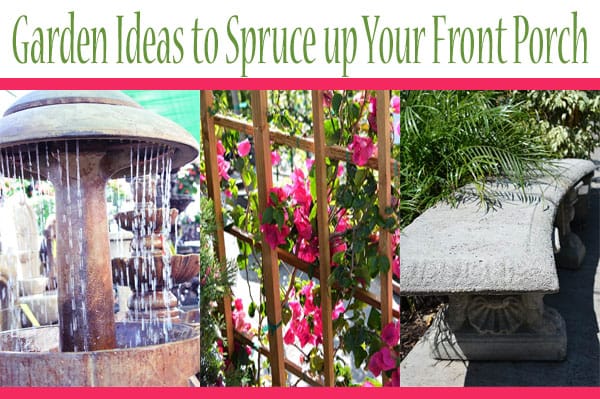
Written by David S.
A bare front porch is a missed shot at curb appeal, and it is easy to crowd it with plants that quietly fail in that exact spot. The best front porch garden ideas start by matching container plants to how much sun the porch gets, then grouping a few well-chosen pots, adding seasonal color, and anchoring the display with an evergreen for year-round structure.
Quick answer: Great porch displays start with the light, then build up color and structure in containers.
- Check your porch light first, whether it is full sun, part shade, or shade, and pick plants to match.
- Group an odd number of pots at different heights for a fuller, more designed look.
- Use pots with drainage holes and a quality potting mix, not garden soil.
- Add cool-season color for winter and spring, and keep one evergreen pot for year-round structure.
- Water containers often, since they dry out faster than the ground.
| Idea | Why it works | How to do it |
|---|---|---|
| Match plants to porch light | A plant in the wrong light struggles no matter how nice the pot. | Note whether the porch gets full sun, part shade, or shade, and choose plants to match. |
| Group pots at varied heights | Odd-numbered clusters at different heights read as fuller and more intentional. | Use three or five pots and mix a tall one with lower ones. |
| Add a focal container | One standout pot draws the eye and anchors the whole display. | Set a larger layered pot near the door or steps as the centerpiece. |
| Seasonal color plus an evergreen anchor | Color keeps the porch fresh while an evergreen keeps it from going bare. | Swap cool-season annuals through winter and keep one evergreen pot year-round. |
| Keep containers watered | Pots dry out faster than the ground and wilt quickly when they do. | Check daily and water when the top of the soil is dry, more often in heat. |
Start With Your Porch’s Light
The first front porch garden idea is the least glamorous and the most important: match your plants to how much sun the porch actually gets. NC State Extension notes that most flowering plants and vegetables want full sun, roughly 6 to 8 hours, while many herbs and cool-season plants tolerate partial shade of about 3 to 5 hours, so you choose plants to fit the spot.[1] University of Illinois Extension adds that when you combine plants in one pot, they should share the same light and moisture needs.[2] Penn State Extension frames it simply: decide whether the container sits in sun, partial shade, or shade before you pick anything.[3] A covered or north-facing porch usually runs shadier than an open, south-facing one, which is exactly the kind of reading our guide to your yard’s microclimates helps you make.
Arranging Containers for Curb Appeal
Once the plants fit the light, arrangement is what makes a porch look designed rather than cluttered. A reliable trick is to group an odd number of pots at varied heights, with one taller focal container near the door or steps to anchor the eye. For the focal pot itself, Penn State Extension recommends the layered “thriller, filler, spiller” approach: a tall vertical plant, rounded mounding plants that fill the middle, and trailing plants that spill over the edge.[3] NC State Extension describes the same idea in plain terms, placing the tallest plant toward the center or back, medium plants in the middle, and cascading plants nearest the rim.[1] For help choosing the plants that go in those pots, see our guide to small doorstep plants for porches and patios.
Seasonal Color and an Evergreen Anchor
Keep the porch from looking bare by pairing seasonal color with at least one evergreen that holds the display together year-round. For Southern California’s mild cool season, Clemson Cooperative Extension points to pansies and violas as top choices for fall-through-winter container color, along with sweet alyssum and snapdragons, and to evergreens like ivy, Japanese sedge, coral bells, and evergreen ferns for year-round structure.[4] The idea is to let the color plants change with the seasons while the evergreen pot keeps the porch from ever looking empty. For more long-blooming options, see our picks of long-lasting flowers for SoCal.
Keeping Porch Containers Healthy
The prettiest arrangement fails fast if the containers are set up wrong or allowed to dry out. Start with the basics: University of Illinois Extension advises using pots with drainage holes and a lightweight potting mix rather than garden soil, which is too heavy, drains poorly, and can carry weeds or disease.[2] Then stay on top of water, because containers dry out quickly: Clemson Cooperative Extension notes that the small soil volume can dry very fast, especially on concrete in full sun, so daily or even twice-daily watering may be needed.[5] University of Minnesota Extension agrees that in hot, dry weather you may need to water more than once a day, and at least daily as a rule.[6] Our container gardening tips go deeper on potting and watering.
Ready to give your entry a lift? Stop by any Green Thumb Nursery and our team can help you pick pots and plants matched to your porch’s light for easy, year-round curb appeal.
Front Porch Garden FAQ
What are good front porch garden ideas?
Match plants to the light, group a few containers, and mix seasonal color with an evergreen anchor. NC State Extension stresses choosing container plants by how much sun the spot gets, which is the foundation every other idea builds on.[1]
What plants are best for a front porch?
Whichever ones fit your porch’s light. Penn State Extension advises deciding whether the spot is sun, partial shade, or shade first, then choosing full-sun bloomers or shade-tolerant plants to match.[3]
How do you arrange porch planters?
Cluster them and vary the heights. Penn State Extension recommends the thriller, filler, spiller layering for a focal pot: a tall plant, mounding fillers, and trailing spillers over the edge.[3]
What gives a porch year-round color in Southern California?
Cool-season annuals plus an evergreen. Clemson Cooperative Extension points to pansies and violas for cool-season color and to evergreens like ivy, Japanese sedge, and coral bells for structure that lasts all year.[4]
How often should you water porch containers?
Often, because they dry out fast. University of Minnesota Extension says container plants usually need watering at least daily, and more than once a day in hot, dry weather.[6]
Sources
- [1] NC State Extension, Extension Gardener Handbook Ch. 18 (Plants Grown in Containers): content.ces.ncsu.edu
- [2] University of Illinois Extension, Tips for a Successful Container Garden: extension.illinois.edu
- [3] Penn State Extension, The Art of Container Gardening: extension.psu.edu
- [4] Clemson Cooperative Extension, Seasonal Container Gardening Fall Through Winter: hgic.clemson.edu
- [5] Clemson Cooperative Extension, Container Vegetable Gardening: hgic.clemson.edu
- [6] University of Minnesota Extension, Fertilizing and Watering Container Plants: extension.umn.edu
Sign up for the Green Thumb Nursery newsletter for seasonal Southern California gardening tips.