

Newsletter Articles
How to Grow Echinacea (Coneflower) in Southern California
Written by David S.
David writes about gardening for Green Thumb Nursery in Southern California.
Echinacea, better known as coneflower, is one of the easiest and most rewarding perennials you can add to a Southern California garden. It is tough, drought-tolerant once established, and covered in daisy-like blooms from summer into fall, all while drawing in bees, butterflies, and other pollinators. Here is everything you need to know to grow it well, from how tall it gets to when and how to plant it.
What Is Echinacea (Coneflower)?
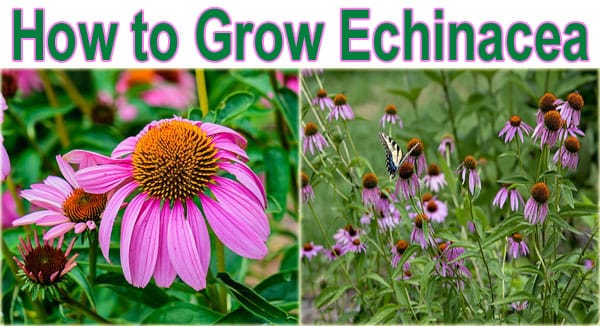
Echinacea is a group of North American prairie perennials in the sunflower family, Asteraceae. The best-known species is Echinacea purpurea, the purple coneflower, named for its raised, cone-shaped center surrounded by purple-pink petals. It is a hardy, clump-forming plant that returns year after year and is long known as a traditional herbal plant, though this guide focuses on growing it as an ornamental garden perennial. In the garden its upright flowers, long bloom season, and toughness make it a favorite for sunny borders and pollinator plantings.
How Tall Does Echinacea Grow?
Most echinacea grow about 2 to 4 feet tall and 1 to 2 feet wide, though height varies by species, as the table below shows. The common purple coneflower (Echinacea purpurea) usually reaches 2 to 4 feet, and Iowa State Extension notes the tallest plants can approach 5 feet in rich soil. Dwarf cultivars stay closer to 1 to 1.5 feet, which is handy for the front of a bed or a container. Give taller types room and good light, since plants grown in too much shade tend to stretch and flop.
| Echinacea type | Typical mature height |
|---|---|
| Narrow-leaf coneflower (E. angustifolia) | 1 to 2 feet |
| Dwarf cultivars (such as ‘Kim’s Knee High’) | 1 to 1.5 feet |
| Pale purple coneflower (E. pallida) | 2 to 3 feet |
| Yellow coneflower (E. paradoxa) | 2 to 3 feet |
| Purple coneflower (E. purpurea) | 2 to 4 feet (up to about 5 feet) |
How to Plant Echinacea
Echinacea is not fussy, but a good start pays off for years. Plant it in full sun and well-draining soil. It even blooms in poor, lean soil; the one thing it will not tolerate is ground that stays soggy and wet, since these are not bog plants. In Southern California, spring is the ideal planting time, once the danger of frost has passed and the soil has warmed. In our mild-winter climate, fall planting works well too, letting roots settle in before summer heat.
- Choose a spot with full sun (at least 6 hours a day) and soil that drains well.
- Space plants 1 to 3 feet apart, depending on the variety’s mature width.
- Set each plant so the top of its root ball is level with the soil surface, not buried deeper.
- Water it in, then add a light layer of mulch to hold moisture and keep weeds down.
Growing Echinacea from Seed
Echinacea is easy to grow from seed, and established plants self-seed freely in the garden. For the best germination, echinacea seed usually benefits from a period of cold, moist conditions (cold stratification) before it sprouts, which you can mimic by sowing in fall or chilling seed in the refrigerator before spring sowing. If you start seed indoors, do so about four weeks before your average last frost date, in a spot where air temperatures stay around 65 to 70 degrees F. Keep in mind that seed-grown plants often take until their second year to bloom, so if you want flowers the first season, starting with nursery transplants is the faster path.
How to Care for Echinacea
Once established, echinacea is genuinely low-maintenance and drought-tolerant. Water about once or twice a week while plants are getting established, then back off as they settle in. Water deeply at the base and try to keep the leaves dry, since wet foliage can invite fungal problems like powdery mildew. A light feeding of compost or liquid fertilizer in spring is plenty; rich soil and heavy feeding are not needed.
To keep the flowers coming, deadhead spent blooms through the summer, which encourages a fresh flush of flowers. Late in the season, leave the last round of faded flowers in place: the seed heads feed goldfinches and other songbirds and add structure to the winter garden, and the plants will reseed themselves. Divide crowded clumps every three to four years to keep them vigorous. Aphids are the most common pest; a strong spray of water, insecticidal soap, or neem oil handles them, ideally before the flowers open and attract bees.
Echinacea Varieties to Grow
Several species and cultivars are worth a spot in the garden:
- Purple coneflower (Echinacea purpurea): the classic, with purple-pink petals and a coppery-orange central cone.
- Narrow-leaf coneflower (Echinacea angustifolia): a prairie native with narrower leaves and slightly paler blooms.
- Pale purple coneflower (Echinacea pallida): thin, drooping petals in soft purple with a hint of green.
- Yellow coneflower (Echinacea paradoxa): the one Echinacea species with true yellow flowers.
- Tennessee coneflower (Echinacea tennesseensis): darker mauve blooms with greenish-pink cones.
- Cultivars: white selections such as ‘White Swan’ and bright hybrids such as ‘Cleopatra’ expand the color range.
A quick note on names: the yellow “prairie coneflower” (Ratibida pinnata) and black-eyed Susan (Rudbeckia) are often lumped in with echinacea, but they belong to different genera. All three are in the same sunflower family, Asteraceae, but only plants in the genus Echinacea are true coneflowers of this kind, and E. paradoxa is the one that blooms yellow.
Benefits in the Garden
Echinacea earns its keep. The flowers are magnets for bees and butterflies, and they bloom for months, from summer until the first frosts. The nectar-rich blooms can also draw hummingbirds. Leave the spent flower heads standing into fall and winter and you will feed seed-eating songbirds, especially goldfinches, while the plants quietly reseed for next year. Because echinacea is drought-tolerant and thrives in heat, it is a natural fit for water-wise Southern California gardens.
Frequently Asked Questions
How tall does echinacea grow?
Most echinacea grow about 2 to 4 feet tall and 1 to 2 feet wide. The tallest purple coneflowers (Echinacea purpurea) can approach 5 feet in rich soil, while dwarf cultivars stay near 1 to 1.5 feet and the narrow-leaf species is the shortest at 1 to 2 feet.
When should you plant echinacea?
In Southern California, plant echinacea in spring after the last frost, once the soil has warmed. In our mild-winter climate you can also plant in fall so roots establish before summer.
Does echinacea need full sun?
Yes. Echinacea blooms best in full sun, at least 6 hours a day. It tolerates a little afternoon shade, but in too much shade the plants grow leggy and produce fewer flowers.
How long does echinacea take to grow from seed?
Seed-grown echinacea usually blooms in its second year, though seed started early indoors can sometimes flower the first season. Nursery transplants bloom sooner.
Does echinacea come back every year?
Yes. Echinacea is a hardy perennial (USDA zones 3 to 8, and some species to zone 9) that returns each year, and it also self-seeds, so you often get new seedlings around the parent plants.
Is echinacea the same as a coneflower?
Yes. Echinacea is commonly called coneflower, and purple coneflower is Echinacea purpurea. Black-eyed Susan (Rudbeckia) and prairie coneflower (Ratibida) are related but belong to different genera in the same family.
Should you deadhead echinacea?
Deadhead through the summer to encourage more blooms, then leave the final flush of seed heads in place to feed songbirds and add winter interest. See our guide to deadheading for the how-to.
Sources
- Clemson Cooperative Extension, Echinacea
- North Carolina State Extension, Echinacea purpurea
- North Carolina State Extension, Echinacea angustifolia
- Iowa State University Extension, Growing Coneflowers in Iowa
- Minnesota Wildflowers, Ratibida pinnata (Gray-headed Coneflower)
- Royal Horticultural Society, Echinacea purpurea ‘White Swan’
- Chicago Botanic Garden, Echinacea ‘Cleopatra’
With its easy care, long bloom, and pollinator appeal, echinacea is one of the most reliable perennials for a sunny Southern California garden. Stop by your favorite Green Thumb Nursery location and our garden experts will help you pick the right varieties and get them off to a strong start.
Do you like what you see? Sign up for our weekly newsletter to get content like this every week!
Sign up for the Green Thumb Nursery newsletter