

Newsletter Articles
How to Get Rid of Weeds Naturally
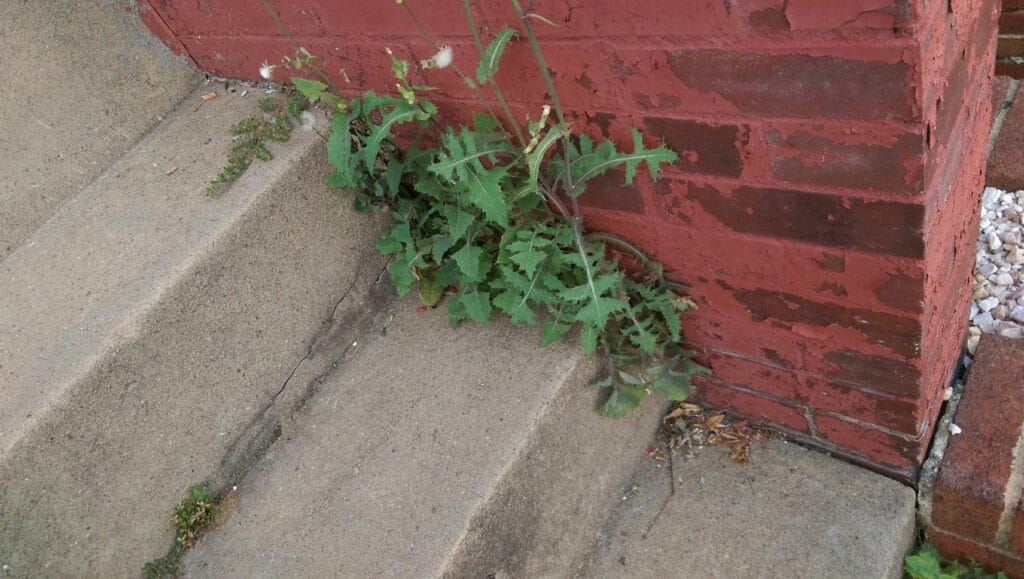
Weeds are the most persistent chore in any Southern California garden, and it is tempting to reach for a strong chemical spray to make them disappear. The good news is that you can get rid of weeds naturally, without synthetic herbicides, if you understand what each method actually does. Some natural approaches pull or smother weeds for good, while others only burn the tops and let the roots come back. Here is how to get rid of weeds naturally, which method to use where, and the common “natural” trick you should actually avoid.
Quick answer: The most reliable way to get rid of weeds naturally is to pull or hoe them out, roots and all, when the soil is damp, then cover the area with 3 to 4 inches of mulch so new seeds cannot sprout. For large, sunny, weedy areas, solarize the soil with clear plastic through the hottest months. Spot-treat weeds in pavement cracks with boiling water or herbicidal vinegar, and use corn gluten meal as a natural pre-emergent to stop seeds before they start. Skip salt, which can damage your soil for years. Tough perennial grasses like Johnson grass and Bermuda grass need repeated digging and smothering, not a one-time spray.
Compare 8 Natural Ways to Get Rid of Weeds
There is no single natural spray that kills every weed permanently, so the best results come from matching the method to the weed. Annual weeds that sprout fresh each year are easy to pull, smother, or burn back. Perennial weeds that regrow from roots, rhizomes, or tubers need persistence, because anything left underground will resprout. The table below compares the main natural methods so you can pick the right one for your situation.
| Method | How it works | Best for | Caution |
|---|---|---|---|
| Hand-pulling and hoeing | Removes the whole plant, roots included | Almost any weed; pull when soil is damp | Must get perennial roots or they regrow |
| Mulch (3 to 4 inches) | Blocks light so seeds cannot sprout | Beds, and around shrubs and trees | Keep off stems; does not kill established perennials |
| Sheet mulching (cardboard plus mulch) | Smothers existing weeds and seeds | Starting a new weed-free bed | Takes weeks to months; remove tough perennials first |
| Soil solarization (clear plastic) | Hot sun bakes seeds and seedlings in the top soil | Large sunny areas in summer | Needs 4 to 6 weeks of the hottest weather |
| Boiling water | Scalds the top growth it touches | Cracks in driveways, patios, walkways | Burn risk; non-selective; roots can regrow |
| Vinegar (5% or 20% herbicidal) | Acetic acid burns the foliage | Young annual weeds in pavement | Regrows from roots; 20% is corrosive, wear eye and skin protection |
| Corn gluten meal | Stops seeds from forming roots | Pre-emergent in lawns and beds | Will not kill existing weeds; timing matters |
| Salt | Dries out and sterilizes | Not recommended for garden soil | Persists for years; harms soil and nearby plants |
Pull or Hoe Weeds the Right Way
Hand-pulling is still the most dependable natural weed control, and timing makes it far easier. Pull weeds when the soil is damp but not soaking, such as a day or two after rain or watering, so the whole root slides out instead of snapping off (Iowa State University Extension). Getting the entire root matters most with perennial weeds, because any root or rhizome fragment left behind can grow into a brand new plant (UC IPM). A long dandelion knife or weeding fork helps you lift taprooted weeds whole. For seedlings, a sharp hoe is faster than pulling, but hoe shallowly: digging deep only brings more buried weed seeds up to the surface where they can sprout. Avoid walking on wet soil while you work, since that compacts it.
Smother Weeds with Mulch
A thick layer of mulch is the easiest way to keep weeds from coming back after you clear a bed. Spread 3 to 4 inches of organic mulch (about 2 inches for fine-textured mulch) over the soil to block the sunlight weed seeds need to germinate, and top it up as it breaks down (UC IPM). Keep mulch pulled back a couple of inches from plant stems and trunks so they do not stay wet and rot. A good mulch layer also conserves water and feeds the soil as it decomposes, which is why it pairs so well with healthy soil building.
To start a brand new, weed-free bed over an existing patch of weeds, try sheet mulching. Lay down 4 to 6 overlapping layers of plain cardboard or newspaper, overlapping the edges by 8 inches or more so weeds cannot find a gap, then cover it with several inches of mulch or compost. The barrier smothers the weeds below by cutting off their light (Oregon State University Extension). It takes weeks to months to fully break down, and it will not smother the most aggressive perennials like bindweed or Bermuda grass, so dig those out first.
Solarize the Soil with Clear Plastic
Soil solarization is a chemical-free method that is tailor-made for our hot, sunny Southern California summers. You cover moist, prepared soil with a tight layer of clear (not black) UV-resistant plastic and leave it in place for 4 to 6 weeks during the hottest, brightest part of the year (UC IPM). The trapped heat bakes the top layer of soil, with temperatures reaching 108 to 140 degrees F two inches down, which kills many weed seeds and seedlings. Inland areas solarize best from June to August, while cooler coastal areas may need August to September. One honest caveat: solarization controls annual weeds much better than tough perennials, and it is inconsistent on nutsedge and bindweed. When you are done, cultivate shallowly, less than 2 inches deep, so you do not haul viable seed back to the surface.
Spot-Treat Cracks and Hardscapes
For weeds growing in cracks in a driveway, patio, or walkway, where nothing desirable is nearby, a kettle of boiling water is a simple fix. It scalds whatever plant tissue it touches and works best on young, newly emerged annual weeds (Iowa State University Extension). Because it does not reach deep roots, perennial weeds will regrow, so plan to re-treat every week or so. Boiling water is non-selective and can scald you as easily as the weed, so pour carefully and keep it away from plants you want to keep.
Flame weeding, which uses a propane torch to rupture plant cells with heat, is another spot method, but in Southern California it deserves real caution. UC IPM rates its fire risk as high and advises keeping fire-extinguishing equipment on hand and never flaming in dry or windy conditions (UC IPM WeedCUT). During our long fire season, it is usually best to skip the flame and stick with pulling, mulching, or boiling water.
Does Vinegar Kill Weeds?
Vinegar does kill the tops of many weeds, but with important limits. The household vinegar in your kitchen is only about 5 percent acetic acid, which is far weaker than the 10 to 20 percent herbicidal vinegars sold for weed control. More to the point, vinegar does not kill roots: it only burns the foliage, so larger and perennial weeds regrow and need repeated applications, and taprooted weeds like dandelion are only knocked back unless they are very young (University of Maryland Extension). It is also non-selective, so it will burn any plant it drifts onto. If you reach for stronger herbicidal vinegar, treat it as the chemical it is: products at 11 percent acetic acid or higher can burn your skin and cause severe eye injury, so wear eye protection and gloves. Vinegar is best reserved for young annual weeds in pavement, not as a lawn or bed treatment.
Corn Gluten Meal: a Natural Pre-Emergent
Corn gluten meal is the one natural product that stops weeds before they start. Researched at Iowa State University, it works as a pre-emergent by inhibiting root formation in sprouting seeds, so it prevents new weed seedlings from establishing rather than killing existing weeds (Iowa State University). Timing is everything: you have to apply it before weed seeds germinate, and because it does not tell a weed seed from a flower or grass seed, you should not use it where you are overseeding a lawn or starting seeds (University of Illinois Extension). Results can be inconsistent in a wet spring, since rain washes away the compounds that do the work. As a bonus, corn gluten meal is roughly 10 percent nitrogen, so it gives your lawn a mild natural feeding at the same time.
What About Salt?
You will see salt recommended all over the internet as a natural weed killer, and it does dry weeds out, but please do not use it in your garden. Salt does not break down or wash away cleanly: sodium builds up in the soil, reduces how well water soaks in, causes compaction, and can stunt or kill the plants you actually want, with damage that lingers long after the weeds are gone (University of Wisconsin-Madison Extension). A spot of salt in a driveway crack far from any plants or roots is one thing, but anywhere near a bed, a lawn, or a tree it can turn good soil inhospitable. For a method that is genuinely earth-friendly, stick with pulling, mulching, and solarizing instead.
Getting Rid of Tough Perennial Weeds
A few Southern California weeds are in a class of their own, and no single natural treatment wipes them out. The key with all of them is persistence: you are depleting the plant’s underground energy reserves over time.
- Johnson grass is an aggressive perennial grass that spreads by thick underground rhizomes, and any fragment left behind resprouts. Dig out young plants when the soil is wet so the rhizomes come up intact, and mow or cut regrowth every 2 to 4 weeks to starve the roots. Avoid rototilling an established stand, which only chops the rhizomes into more plants (UC Master Gardeners).
- Bermuda grass spreads by both above-ground runners and below-ground rhizomes and is extremely difficult to control. A persistent program of digging, withholding summer water to dry out the runners, or excluding light works over time, and clear-plastic solarization during the high-sun months is one of the more effective nonchemical options (UC IPM).
- Nutsedge (yellow and purple) grows from underground tubers that sit in the top 6 inches of soil and can survive for years, which is why pulling alone fails and tilling just spreads it. The natural fix is to remove every shoot as soon as it appears, again and again, to exhaust the tubers (UC IPM).
Prevent Weeds Before They Start
The least work of all is the weed that never grows. The single most effective habit is to never let weeds go to seed: pull or cut them before they flower, and you dramatically shrink next year’s crop (UC IPM). Dense, healthy plantings also shade the soil and crowd weeds out, so close spacing and a good weed-suppressing ground cover do a lot of the work for you. Keep beds mulched year round, and if you are rethinking a weedy lawn, our guide to sod and creative yard options covers lower-maintenance alternatives.
Frequently Asked Questions
How do you get rid of weeds naturally?
Pull or hoe weeds out by the roots when the soil is damp, then cover the cleared area with 3 to 4 inches of mulch so new seeds cannot sprout. For large sunny areas, solarize the soil with clear plastic in summer; for weeds in pavement cracks, use boiling water or herbicidal vinegar. Corn gluten meal prevents new weed seeds from sprouting. Avoid salt, which damages the soil.
What kills weeds permanently and naturally?
No natural spray is truly permanent on its own, because perennial weeds regrow from roots, rhizomes, and tubers. Lasting control comes from removing the whole root, then smothering the area with mulch or solarizing it, and preventing weeds from ever setting seed. For tough perennials, it takes repeated removal over a season to exhaust their underground reserves.
Does vinegar kill weeds?
Vinegar burns the tops of weeds but does not kill the roots, so annual weeds may die while perennials regrow and need repeated spraying. Household 5 percent vinegar is weak; herbicidal vinegar at 10 to 20 percent is stronger but corrosive, and concentrations of 11 percent or higher can burn skin and cause severe eye injury, so wear eye and skin protection. It is non-selective and best used only on young weeds in pavement.
How do you kill weeds in a lawn naturally?
Most natural sprays, including vinegar and boiling water, will kill your grass right along with the weeds, so in a lawn the safest approach is to dig out weeds by hand and overseed the bare spots so grass fills in. Corn gluten meal applied in early spring works as a natural pre-emergent to stop new weed seeds, but do not use it if you are overseeding, because it stops grass seed too.
How do you get rid of Johnson grass naturally?
Dig out young Johnson grass plants when the soil is wet so the rhizomes lift out whole, and mow or cut any regrowth every 2 to 4 weeks to starve the roots over time. Do not rototill an established patch, because chopping the rhizomes just creates more plants. Smothering with sheet mulch or solarizing can help, but eradication takes persistence across the season.
Will salt kill weeds, and should you use it?
Salt will dry weeds out, but you should not use it in your garden. Sodium lingers in the soil, reduces water absorption, compacts the ground, and can stunt or kill nearby desirable plants, and the damage builds up over time. Keep it away from beds, lawns, and tree roots, and choose pulling, mulching, or solarizing instead.
Sources
- UC IPM, Weed Management in Landscapes
- UC IPM, Soil Solarization for Gardens and Landscapes
- Iowa State University Extension, Mechanical Weed Control
- Iowa State University Extension, Managing Weeds with Boiling Water
- Oregon State University Extension, Sheet Mulching (EM 9559)
- University of Maryland Extension, Vinegar as an Alternative to Glyphosate
- Iowa State University, Corn Gluten Meal Research
- University of Illinois Extension, Corn Gluten Meal
- University of Wisconsin-Madison Extension, De-icing Salts Damage Soils and Plants
- UC Master Gardeners of Butte County, Managing Johnsongrass
- UC IPM, Bermudagrass (Pest Note 7453)
- UC IPM, Nutsedge
Ready to tackle your weeds the natural way? Stop by your favorite Green Thumb Nursery location for mulch, clear solarizing plastic, corn gluten meal, OMRI-listed organic weed control, and the hands-on advice to match the method to your weeds. Our garden experts will help you get rid of weeds for good, without the harsh chemicals.
Do you like what you see? Sign up for our weekly gardening newsletter to get content like this every week.
Will this work on weeds in grass or will it kill the grass?
These methods will damage the grass. If you need an organic way to kill weeds in grass we recommend coming in to our store and picking up Whitney Farms Organic Lawn Weed Killer which works great for killing common weeds without harming the grass. 🙂
Thanks! Giving the vinigar treatments already but haven’t tried the salt!!!
Thanks for the info! Can the salt be used on weeds in our lawn? Between our gardeners possibly bringing weed seeds in from other yards and winds blowing in those in, we’ve got a lot of weeds. Please help!!!
These methods will damage the grass. If you need an organic way to kill weeds in grass we recommend coming in to our store and picking up Whitney Farms Organic Lawn Weed Killer which works great for killing common weeds without harming the grass. 🙂
what will kill grass and weeds in my new xeroscapic garden?
Hi Will,
We recommend using “grass-getter” by Monterey. They have a great product that will kill “weedy grasses” without damaging your native and drought tolerant plants. This product will not kill broad-leaf weeds. There isn’t a product available that is able to decipher between broad leaf weeds and drought tolerant plants. If your xeriscape garden does not have any plants and you are strictly using rocks, pebbles, or gravel to landscape, we recommend using round up to kill all weeds and grasses. Don’t use round up on your yard if you have native or drought tolerant plants as they will die along with your weeds if you do.
Do you have long handled cobra gardening tools in stock?
Hi Will! Thanks for contacting us with your question. 🙂 Unfortunately, we do not carry lond handled cobra gardening tools, however, we do carry a lot of other name brand long handled gardening tools! If you’d like to know more about these options, please call (949) 837-3040 and ask for garden shop.
I have been trying to find a way to kill weeds. Thanks for sharing your method of using salt. I like this idea because it does not involve harmful chemicals. I wonder if the salt attracts more insects. I will have to try it and find out.
Your comment not to use Roundup if I have pebble and drought tolerant plants. Can I use Roundup if I spray the weeds not around my drought tolerant plants? Thanks
You sure can! Just be careful and they should be fine 🙂
Great, thanks for sharing this blog.Really thank you! aebaegbdeaaa