

Newsletter Articles
When to Plant Bulbs (and Tulips) in Southern California
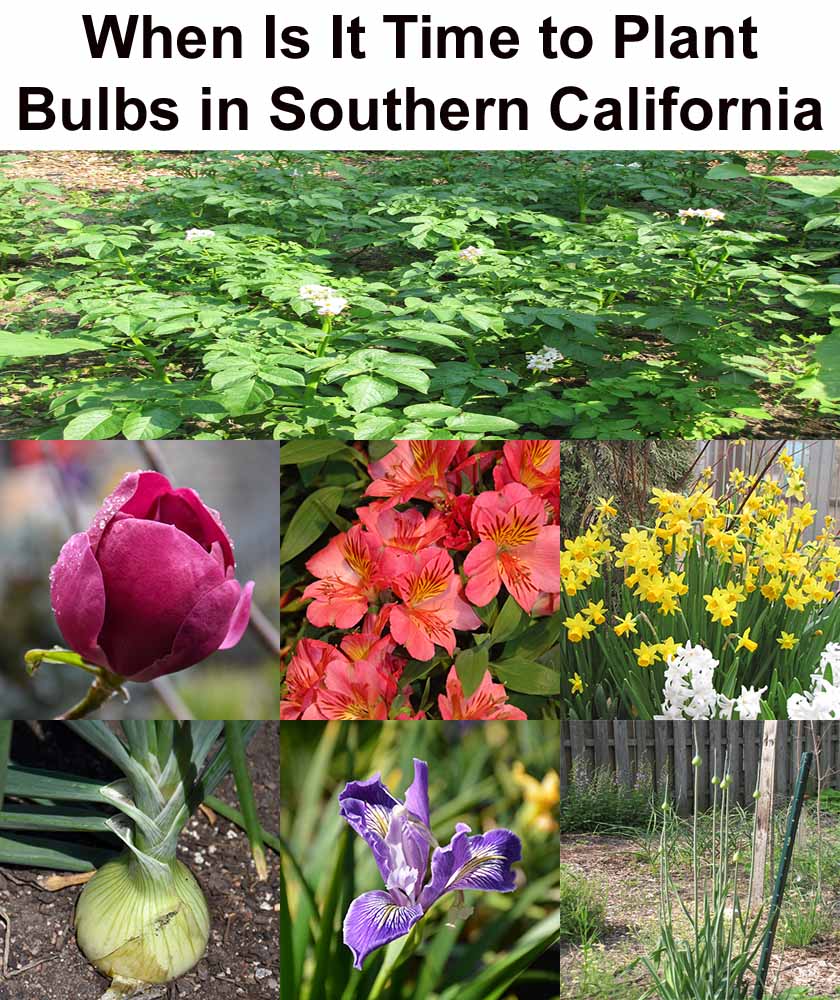
Written by Kelsey W.
In Southern California, plant most spring-blooming bulbs in fall and early winter, once the soil has cooled. Daffodils, narcissus, and grape hyacinths can go straight into the ground because they do not need a cold winter to bloom. Tulips, hyacinths, and crocus are different: our winters are too mild to give them the chill they need, so you refrigerate the bulbs for several weeks first, plant them in late fall or early winter, and usually treat them as a one-season show. Summer bulbs like dahlias and gladiolus are planted in spring, after the danger of frost has passed.
Quick answer: Set out no-chill spring bulbs such as daffodils, narcissus, and grape hyacinths in fall through early winter (around November into early December) as the soil cools. Pre-chill tulips, hyacinths, and crocus in the refrigerator for several weeks, then plant them in late fall or early winter for a spring show, knowing they may not return reliably in later years. Plant summer bulbs like dahlias, gladiolus, and lilies in spring after the last frost, once the soil has warmed to at least 55 degrees F. A good rule of thumb is to plant each bulb about two to three times as deep as it is tall.
| Bulb | When to plant in SoCal | Note |
|---|---|---|
| Daffodils and narcissus | Fall to early winter | No chilling needed; the most reliable to come back each year |
| Grape hyacinth and watsonia | Fall to early winter | No chilling needed; suited to mild winters |
| Tulips, hyacinths, and crocus | Pre-chill, then late fall to early winter | Need weeks of refrigeration first; often grown as annuals here |
| Ranunculus, anemone, and freesia | Fall | Popular cool-season bulbs sold at local nurseries each fall |
| Dahlias, gladiolus, and lilies | Spring, after frost | Summer bloomers; wait until the soil warms |
What Counts as a Bulb, and Why Timing Matters
Gardeners use the word bulb as a catch-all for several kinds of underground storage structures, including true bulbs like daffodils and tulips, corms like gladiolus and freesia, tubers like dahlias, and rhizomes like canna. For planting purposes, what matters is less the botanical label and more the season each one blooms: spring-blooming bulbs go in during fall and winter, while summer bloomers are planted in spring.
The bigger wrinkle in Southern California is cold, or rather the lack of it. Some bulbs need a stretch of genuine winter chill to trigger their bloom, and our mild winters simply do not deliver it. University of California Master Gardeners draw a clean line between no-chill bulbs, such as daffodils, narcissus, and grape hyacinths, that thrive in mild California gardens without any special treatment, and bulbs like tulips that must be chilled for weeks in a refrigerator before they will bloom the following spring.[1] Knowing which camp a bulb falls into tells you both when and how to plant it.
When to Plant Spring Bulbs in Southern California
For the easy, no-chill spring bulbs, fall into early winter is the window. As the soil cools you can plant daffodils, narcissus, grape hyacinths, and less common choices like watsonia straight into the garden, and UC Master Gardeners suggest November into early December for mild-climate urban areas.[1] These are the bulbs to reach for if you want color that returns on its own, since the no-chill types are the ones suited to naturalizing in warm-winter California.[1]
Other cool-season favorites sold at nurseries each fall, including ranunculus, anemones, and freesias, are also planted in this fall window and give Southern California gardens a long, colorful spring. If you are deciding what to buy, our guides to the best fall bulbs for spring color and to buying bulbs in October can help you choose.
Tulips, Hyacinths, and Crocus: Pre-Chill First
This is the question most Southern California gardeners are really asking: when do you plant tulips here? Because our winters are too warm to chill the bulbs for you, you have to do it yourself by refrigerating tulip, hyacinth, and crocus bulbs for several weeks before planting. University of California sources give slightly different windows: UC Master Gardeners recommend chilling the bulbs for eight to ten weeks before replanting for bloom the following spring,[1] while UC IPM suggests that about four to six weeks of chilling will ensure a better bloom.[2] Either way, plan on roughly one to two and a half months in the refrigerator.
Once chilled, plant them in late fall or early winter for a spring display. The catch is that pre-chilled tulips and hyacinths usually put on their best show the first spring and often do not rebloom reliably in our climate, so many local gardeners treat them as annuals and start fresh each year. For a step-by-step method, see our guide to how to plant winter bulbs for spring flowers.
When to Plant Summer Bulbs
Summer-blooming bulbs follow the opposite schedule. Plant dahlias, gladiolus, lilies, canna, and tuberous begonias in spring, after the danger of frost has passed and the soil has warmed. Clemson Cooperative Extension advises waiting until the soil temperature reaches at least 55 degrees F, since planting into cold ground invites the bulbs to rot before they sprout.[3] In most of Southern California that points to late winter and spring, as nights warm up.
Planting depth varies by type: Clemson lists gladiolus corms at 3 to 6 inches deep depending on size, canna rhizomes 1 to 2 inches deep and 12 to 24 inches apart, and most lilies covered by 4 to 6 inches of soil.[3]
How Deep to Plant, and Keeping Bulbs Safe
For spring bulbs, a reliable rule of thumb is to dig a hole about two to three times as deep as the bulb is tall; UC Master Gardeners put it as a hole roughly three times as deep as the size of the bulb.[1] Set each bulb in with its pointed growing tip facing up and its flat basal plate down, then cover it and water it in.
One safety note is worth taking seriously, especially around children and pets: many popular flower bulbs are poisonous if eaten. Daffodil and narcissus bulbs are toxic to dogs, cats, and horses, with the bulb the most poisonous part, according to the ASPCA.[4] They are dangerous to people too: the National Capital Poison Center notes the highest concentration of the toxin lycorine is in the bulb and documents real cases of people being poisoned after mistaking daffodil bulbs for onions, with eating any part causing nausea, vomiting, abdominal pain, and diarrhea.[5] Tulip bulbs are likewise toxic to pets, containing compounds called tulipalin A and B that cause vomiting, drooling, and diarrhea, with the highest concentration in the bulb,[6] and hyacinth bulbs can cause intense vomiting and diarrhea in pets as well.[7] Keep unplanted bulbs out of reach, never eat ornamental bulbs, and keep the free, 24-hour Poison Control line handy at 1-800-222-1222.[5]
Ready to plant? Stop by any Green Thumb Nursery and our team can help you pick the right bulbs for the season, show you which ones need pre-chilling, and get you set up for a colorful Southern California spring.
Bulb Planting FAQ
When do you plant tulips in Southern California?
Because our winters are too mild to chill them, you refrigerate tulip bulbs for several weeks first (UC sources suggest anywhere from about four to ten weeks), then plant them in late fall or early winter for a spring bloom.[1]
Can tulips grow in Southern California?
Yes, but with a catch. Tulips will bloom here if you give them an artificial cold period in the refrigerator before planting, since the climate will not chill them for you. Most gardeners treat pre-chilled tulips as a one-season annual rather than a bulb that returns each year.[1]
When should you plant bulbs in Southern California?
Plant spring-blooming bulbs such as daffodils in fall through early winter as the soil cools, roughly November into early December, and plant summer bulbs like dahlias in spring after the last frost.[1]
Do you have to refrigerate bulbs in Southern California?
Only the chill-dependent ones. Tulips, hyacinths, and crocus need several weeks in the refrigerator before planting, but no-chill bulbs like daffodils, narcissus, and grape hyacinths do not and can go straight into the ground.[1]
Which spring bulbs come back every year in Southern California?
The no-chill types suited to our mild winters, including daffodils, narcissus, and grape hyacinths, are the ones most likely to naturalize and return year after year.[1]
Sources
- [1] UC ANR, The Real Dirt, No-Chill Bulbs for Spring Blooms: ucanr.edu
- [2] UC IPM, Tulip (Home and Landscape): ipm.ucanr.edu
- [3] Clemson Cooperative Extension HGIC, Summer and Fall Flowering Bulbs: hgic.clemson.edu
- [4] ASPCA Animal Poison Control, Daffodil: aspca.org
- [5] National Capital Poison Center, Daffodils (and Poison Control 1-800-222-1222): poison.org
- [6] ASPCA Animal Poison Control, Tulip: aspca.org
- [7] ASPCA Animal Poison Control, Hyacinth: aspca.org
Sign up for the Green Thumb Nursery newsletter for seasonal Southern California gardening tips.