

Uncategorized
The Best Plants for Beginner Gardeners
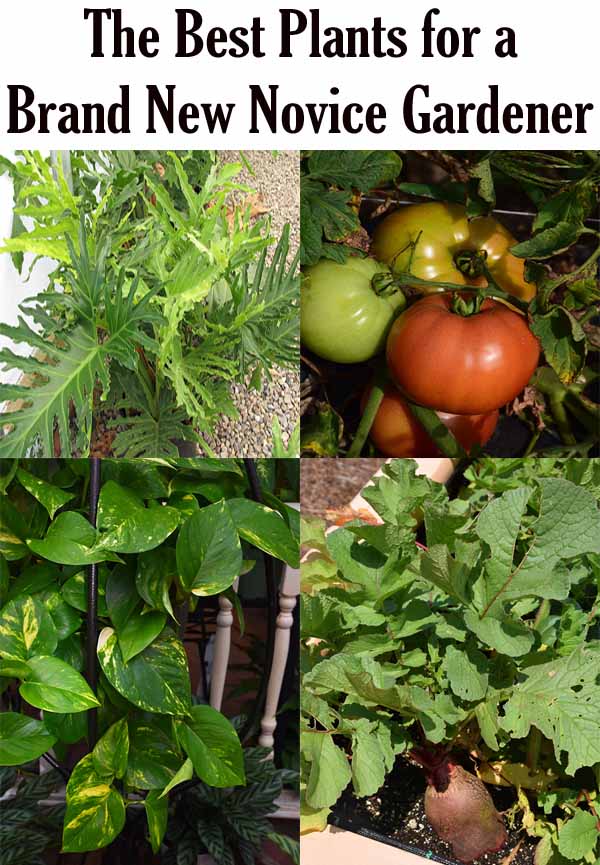
Written by Kelsey W.
The best plants for a brand-new gardener are the ones that grow fast, forgive mistakes, and are hard to kill, like radishes, leaf lettuce, and bush beans in the garden, basil and rosemary among herbs, marigolds, zinnias, and sunflowers from seed, and pothos or a snake plant indoors. A novice gardener is simply someone new to gardening, and the smartest way to start is with easy, high-reward plants that build your confidence before you tackle anything fussy.
Quick answer: Start with fast, forgiving plants: radishes (ready in about a month), leaf lettuce, and bush beans for the vegetable bed; basil, rosemary, and container-grown mint for herbs; marigolds, zinnias, and sunflowers for easy color from seed; and pothos or snake plant as nearly indestructible houseplants (both are toxic to pets, so keep them out of reach). Clemson Extension advises beginners to master “easy” crops before trying harder ones.
Easiest Plants for Beginners at a Glance
| Plant | Type | Why it is easy |
|---|---|---|
| Radish | Vegetable | Harvest in about 3 to 5 weeks |
| Leaf lettuce | Vegetable | Quick, few pests, long harvest |
| Bush beans | Vegetable | Fast, heavy yield, no staking |
| Cherry tomatoes | Vegetable | The easiest, most prolific tomato |
| Swiss chard | Vegetable | Long harvest; easy once established |
| Basil | Herb | One of the easiest herbs from seed |
| Mint | Herb | Nearly unkillable (grow in a pot) |
| Rosemary | Herb | Drought-tolerant, takes the heat |
| Marigold | Flower | Very easy and fast from seed |
| Zinnia | Flower | Quick, reliable, direct-sow |
| Sunflower | Flower | Big easy-to-handle seed; fast |
| Pothos | Houseplant | Low light, forgives missed watering (toxic to pets) |
| Snake plant | Houseplant | Very low light, hard to kill (toxic to pets) |
Easy Vegetables to Start With
Vegetables give fast, satisfying feedback. Clemson Extension sorts crops into easy, intermediate, and difficult groups and advises beginners to start with the easy ones first.[1] Radishes are the quickest confidence-builder, going from seed to harvest in roughly three to five weeks in full sun and cool weather.[2] Leaf lettuce grows quickly, has few pests, and keeps producing when you harvest the outer leaves.[3] Bush beans are rapid growers with large yields that need no staking.[4] For a first tomato, choose cherry tomatoes, the most prolific and forgiving type (note that tomatoes overall are an intermediate crop, so cherries are the easy place to start).[5] And Swiss chard yields tasty leaves spring through fall and is easy once established, though starting from transplants helps since the seed can be slow.[6] In SoCal, grow the cool-season crops (radish, lettuce, chard) from fall through spring. For your first tomatoes, see our guide to tomatoes.
Beginner-Friendly Herbs
Basil is one of the easiest annual herbs to grow from seed in warm, sunny weather.[7] Rosemary is an easy, heat- and drought-tolerant evergreen that thrives in SoCal sun; just give it good drainage and let the soil dry between waterings.[8] Mint is nearly impossible to kill, but that is exactly why you should grow it in a container: in the ground it spreads aggressively by underground runners and can take over a bed, so keep it potted.[9] Chives are an easy perennial that needs little more than regular cutting and even grows on a sunny windowsill.[10]
Foolproof Flowers from Seed
For easy color, start with full-sun annuals. Marigolds are very easy and fast to grow, which makes them great for children and new gardeners.[11] Zinnias grow quickly and reliably from direct-sown seed (water at the base to avoid powdery mildew).[12] Sunflowers are among the easiest flowers to start from seed, and their big seeds are easy to handle.[13] Nasturtiums are low-maintenance edibles that actually prefer poor soil and little fuss, and both the flowers and leaves are edible.[14] For more bold, easy color, see our guide to colorful plants.
Easy Houseplants to Start Indoors
If you want to start indoors, two houseplants are famously beginner-proof. Pothos is durable and low-maintenance, tolerates low light, and forgives irregular watering.[15] The snake plant (Dracaena trifasciata, formerly Sansevieria) tolerates many light levels and needs infrequent watering, making it a fantastic first houseplant.[15] Both are toxic to cats and dogs, however, so keep them out of reach of pets.[16] For a wider selection of easy, colorful indoor options, see our container gardening guide.
Beginner Growing Tips
A few habits make all the difference. Start small and with plants from the “easy” group before working up to fussier crops.[1] Match each plant to its light (most vegetables and flowers here want full sun; pothos and snake plant are the low-light exceptions), do not overwater (let the top inch of soil dry first, since overwatering kills more plants than underwatering), and when seed germination is tricky, simply start with nursery transplants. As NC State Extension puts it, growing your own food “doesn’t take a lot of money, time, or talent.”[17] For more easy edibles to try, see our guide to edible plants you can grow at home.
Ready to start your first garden? Visit any Green Thumb Nursery location and our team will help you pick easy, beginner-friendly plants matched to your space and the season.
Beginner Gardening FAQ
What is a novice gardener?
A novice gardener is simply someone new to gardening who is still learning the basics. The best way to start is with easy, fast-growing, forgiving plants that build confidence before you move on to more demanding ones.[1]
What are the easiest plants for beginners?
Radishes, leaf lettuce, and bush beans (vegetables); basil, rosemary, and container mint (herbs); marigolds, zinnias, and sunflowers (flowers from seed); and pothos or snake plant (houseplants) are all beginner-friendly because they are fast, forgiving, and hard to kill.[11]
What vegetables are easiest to grow?
Radishes (ready in weeks), leaf lettuce, and bush beans are among the easiest; Clemson Extension groups them with the beginner-friendly “easy” crops.[1]
What is the easiest plant to keep alive?
For an indoor plant, the snake plant and pothos are about as hard to kill as it gets, tolerating low light and infrequent watering (both are toxic to pets, so place them carefully).[15]
What should a beginner gardener plant first?
Plant something fast and rewarding, like radishes or marigolds, so you see results in weeks. Start small, give plants the right light, and avoid overwatering.[2]
Sources
- [1] Clemson HGIC, Vegetable and Herb Crops Ranked by Difficulty: hgic.clemson.edu
- [2] UMN Extension, Growing Radishes: extension.umn.edu
- [3] UMN Extension, Growing Lettuce: extension.umn.edu
- [4] UMN Extension, Growing Beans: extension.umn.edu
- [5] UMN Extension, Growing Tomatoes: extension.umn.edu
- [6] UMN Extension, Growing Spinach and Swiss Chard: extension.umn.edu
- [7] Clemson HGIC, Basil: hgic.clemson.edu
- [8] UC Master Gardeners Santa Clara County, Rosemary: ucanr.edu
- [9] UC ANR, Contain Mint: ucanr.edu
- [10] UMN Extension, Growing Chives: extension.umn.edu
- [11] UMN Extension, Marigolds: extension.umn.edu
- [12] UMN Extension, Zinnia: extension.umn.edu
- [13] UMN Extension, Sunflowers: extension.umn.edu
- [14] UC Marin Master Gardeners, Nasturtium: ucanr.edu
- [15] Clemson HGIC, Houseplant Selections for Beginners: hgic.clemson.edu
- [16] ASPCA, Golden Pothos (toxic to pets): aspca.org
- [17] NC State Extension, Vegetable Gardening Beginner’s Guide: content.ces.ncsu.edu
Sign up for the Green Thumb Nursery newsletter for seasonal Southern California gardening tips.