
Newsletter Articles
Vegetables You Can Grow in SoCal in the Fall and Winter
Written by Kelsey W.
Southern California boasts one of the world’s best climates with beach weather that lasts well into the fall and mild winters that allow us to admire the leaves on the trees for months into the “coldest” times of the year.
Even if you live in an area of SoCal where it delves into jacket weather, it’s generally still mild enough for you to continue planting your vegetables all the way into the fall and through the winter.
To maximize your gardening experience and enjoy the happiest and healthiest vegetables during the season, it’s helpful to understand which vegetables grow best in the fall and winter and when to plant them.
Let’s learn about some fall- and winter-loving vegetables and what delicious gardening projects you might get to enjoy this year as the seasons change from summer to autumn and eventually into winter.
Transitioning Your Vegetable Garden from the Summer into the Fall
There’s no firm cutoff date as far as when summer vegetables stop producing and when it no longer makes sense to maintain them. There is also no firm date when you must retire those plants and replace them with fall garden favorites like broccoli and cauliflower.
However, as your summer plants begin to get tired and you begin to remove those plants (for the compost pile) in favor of replacing them, you can take some steps to prepare your garden for the next round of vegetables.
First, you’ll want to look around all of your gardening beds and remove weeds, clean up old plants, and remove plants that have stopped producing and are ready for composting.
Second, you can add compost to the beds to refresh them for your new round of plants. You can use compost from last season’s plants or pick up a bag at your local SoCal garden center.
Third, you’ll add your new fall or winter vegetables in seed form or as seedlings. Make sure the soil is a little loose, so the roots of the new plants can grow nicely throughout the season.
What Vegetables Enjoy Growing During the Fall?
If you have any pepper or tomato plants in your garden, you might notice that they’re still producing well into the fall. If you’re still getting fruit from these plants, there’s no reason to remove them from your garden; enjoy their bounty until they decide to close up shop for the winter.
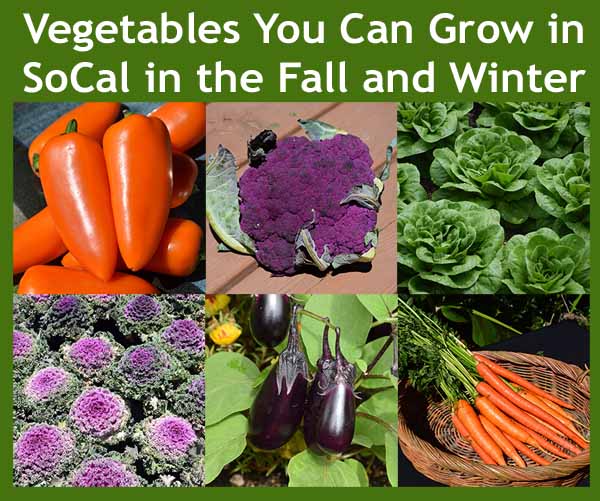
However, with the space you might have from other plants that have finished their summer harvests, one of the first plants you’ll want to stick in the ground is a crop of carrots. Not only are carrots super easy to grow, but you can plant them very close together, so you don’t need a lot of room for them.
Even the quick-growing varieties of carrots take a few months to reach maturity, so planting them in September is a great way to greet November with a carrot harvest. Similarly, you can plant beets or radishes in the early fall and enjoy a harvest in just a few months.
One of the neat things, too, about most fall vegetables is that they produce greens in their very early stages that you can harvest as “microgreens,” which you’ve probably seen at the grocery store sold for exorbitant amounts of money.
Just remember to leave some of the foliage on the plants if you want them to produce healthy vegetables down the line. Picking all the leaves off can make things a little rough for the plant to actually continue growing throughout the season.
What Vegetables Love the Winter Weather?
If you miss your chance to put your fall vegetables into the ground, don’t worry! You have many additional vegetables that will happily produce for you in the winter. Some of the most popular options are leafy greens, which just happen to grow with almost no effort, too.
Leafy greens like spinach, all sorts of lettuce, and kale, as well as cruciferous vegetables like broccoli and cauliflower, will produce for you all winter and well into the spring. You can usually get all of these plants to continue growing all the way up to the point where you plant your summer vegetables.
If you manage to master the art of picking just a few leaves off your leafy green plants and they look as though they might continue to produce leaves into the next summer, you have a few options for keeping them around a bit longer than usual.
One option is to switch them to containers (if they’re not already in containers) and move them to a shadier spot around your home, so they don’t experience the heat in the middle of the day in the summer. Another option is putting the container in your home in a bright window, so you can enjoy your leafy greens for as long as the plant wants to produce.
Do Fall and Winter Vegetables Need Fertilizer and Lots of Water?
You might assume that the cooler weather and generally mild growing conditions mean that it’s easier for plants to survive, which means they probably don’t need a lot of attention. However, even though plants like kale and carrots are very easy to grow, they do need food and water, just like their summer counterparts.
Just as you would your summer crops, you’ll want to add fertilizer to the soil when you first put your plants into the ground, as well as after about a month, when the plants will be hungry again. As far as water goes, you might not need to water them as often because the soil might not dry out as fast, but don’t assume they won’t need water because it’s not as hot.
In point of fact, the relative humidity in Southern California tends to dip in the fall and winter, at least between any seasonal rain showers that occur, which means the plants may get thirsty more often than you’d think, even though the temperatures aren’t blazing hot like in the summer.
Tip: You don’t need to fertilize at the outset when you put your plants into the ground if you add compost to your soil right before the planting. The compost should be enough to feed the plants as they grow, and you can wait a month or so to add fertilizer.
When Should You Start Your Fall and Winter Vegetable Gardens?
The summer weather in Southern California often stretches well into the seasons we traditionally associate with the fall, which means the point at which you can put your cool-weather vegetables into the ground is an ever-moving target.
Conventional wisdom suggests that late September or early October is the ideal time for cool-season vegetables, but you can certainly put those vegetables into the ground a little earlier or a little later if that’s what your schedule requires.
You’ll just want to consider the pattern of the sun and the general weather conditions for your plants. If September arrives and you simply can’t wait to put some carrots into the ground, consider putting them in a container and placing the container in an area that gets a little shade each day.
The weather can remain hot well into September, and we can even get some heated days in October, so making sure the carrots have some cool, shady time each afternoon can help take the onus off them surviving through an early fall heatwave.
Southern California’s weather is nothing if not forgiving in the fall, so as long as you pay daily attention to your vegetable friends, it should be easy to give them some extra water when they need it or provide some additional shade if and when the fall temperatures go a little haywire.
Can You Plant Winter Vegetables if You Don’t Have a Yard?
Just like a summer garden, you can absolutely plant fall and winter vegetables in containers in SoCal. Even if all you have is a sunny window, you can have one or two containers of vegetables that will happily grow throughout the season.
Even if you have a large, lush lawn, you can still plant your entire vegetable garden in containers and enjoy a wealth of harvests throughout the season. Vegetables are quite predictable in their growing style and size, so you can easily plan the size and shape of your containers, ensuring that each plant has plenty of room to grow.
Start Your Winter Vegetable Garden with Help from Green Thumb Nursery
The fall is a wonderful time to start a vegetable garden, especially if your summer was a little too busy for harvests. Greet the cooler temperatures with some amazing vegetables for your family’s meals this year. Get all the help and information you need for your new vegetable garden from Green Thumb Nursery. We’ll help you create an amazing garden for your vegetable plants and your family.
Do you like what you see? Sign up for our weekly newsletter to get content like this every week!
CLICK HERE TO SIGN UP!