
Newsletter Articles
Tips for Creating Healthy Soil for the Plants in Your SoCal Garden
Written by Kelsey W.
Some plants seem as though they don’t need any help from us and grow beautifully in our yards with nothing more than some sunlight and the occasional watering. However, maximizing the happiness and beauty of your plants often means digging a little deeper into the health of your yard.
One of the most impactful parts of your gardening journey is the soil into which you put your plants. When you brought home your plants for the summer season, did you simply dig some holes, arrange the plants, and begin watering?
If you haven’t yet thought about the soil that surrounds the roots of your plants, now is a great time to learn about all the ingredients that go into creating healthy soil, and the common features of healthy soil in Southern California that will keep your native plants happy for many seasons.
Is Soil Content Really That Important as Long as You Fertilize?
You may assume that fertilizing your plants is enough to overcome any deficiencies in the soil, but it’s much better for the plants to have access to healthy, nutrient-rich soil over the course of their lifespan. Healthy soil makes strong plants, while fertilizer gives them an additional boost.
In point of fact, many plants shouldn’t receive fertilizer when they’re dormant, such as in the winter months when some plants stop growing almost entirely. As long as their soil remains healthy, the plants can spend their dormant months in comfort, preparing for the next growing season.
What are the Components of Healthy Soil?
While it’s possible to delve into the finer points of good soil when it comes to various types of plants, it’s helpful to gain an overall and generalized understanding of what makes soil great. Additionally, knowing these basic components can help you when it comes to improving the soil around your home.
Healthy soil contains four basic ingredients in various amounts:
- Minerals
- Organics
- Air
- Water
You might be scratching your head at the inclusion of air in the list of healthy soil components, but it’s vital that soil has air pockets in it because plant roots need to breathe, just like the parts of the plant that rise above the soil line.
Minerals include all the rocks and particles that have broken down over the millennia, like sand and clay. Healthy soil comprises about fifty percent minerals, which is obvious if you start digging in many places in Southern California. You’ll have lots of clay and little particles of plant and animal matter.
The organic matter in your soil may include compost you insert yourself, or it may include old plants that once lived in the soil but have long since died and become part of the earth. The organic matter only makes up a small part of the soil content, but it’s one of the most vital pieces of the puzzle.
What are the Steps Required to Create Healthy Soil?
Before you get to the nitty-gritty part of creating great, healthy soil, you’ll want to figure out what kind of soil is in your yard or in the general vicinity of your home. Much of Southern California features clay soil, which you’ll note is pretty tough to dig into when you’re trying to put new plants into the ground.
You may also have sandy soil around your home, especially if you’re in a desert area or you’re near the coast. Sandy soil doesn’t always hold water as well as other soil types, so you sometimes need to compensate by adding other materials to the soil that won’t allow the water to drain as quickly.
The third type of soil is loam, and it’s what you’d want to see in your garden bed in an ideal environment. Loam is basically what you’d see if you purchased a bag of potting soil from your local Southern California garden center. It offers the perfect balance between soil that drains well and soil that drains too quickly.
Once you’ve identified the type of soil you’re working with, you’ll start adding certain items to improve it and make it healthier for your plants. Here are the steps you’ll want to follow for creating healthy soil.
Step One: Start Gathering Grass Clippings and Food Waste
Making your own compost is one of the easiest ways to improve your soil, especially before you get to the planting season and start putting your new plant friends into the ground. If you have a yard where you mow the grass, save the clippings, as they are a great starter for a mulching pile.
From your kitchen, you’ll want to save any food waste that’s plant-based. You’ll normally toss things like fruit peels, stems, and anything you cut off a plant and don’t eat. Strawberry tops, the ends of carrots, the bruised portions of potatoes: you can toss all of it into the compost pile.
Tip: Don’t throw away your dead plants. If you accidentally kill a houseplant or you decide to take a plant out of the ground (perhaps it’s old and needs retirement), keep those plants for composting purposes, as their decaying organic matter will feed the next generation of plants.
Step Two: Roll the Compost into the Soil, But Don’t Overdo It
Once your compost pile has gotten to a point where it’s decomposed enough for the material to feed the soil, you’ll want to gently till it into your yard or wherever you want to improve the soil. Doing so will naturally aerate the soil, which is another important part of ensuring your soil is healthy.
However, you don’t need to go bananas in tilling the soil. In fact, just a gentle tilling of the soil as you add the compost in should be enough to aerate it and give it the healthy dose of oxygen it needs. You only want to fluff it around if it’s particularly compact and difficult to maneuver.
Step Three: Test the Soil’s pH Level
Testing your soil’s pH level might feel like a science experiment, but it’s not actually that difficult. It’s pretty easy to modify it if you find out the soil is too acidic or if it needs to become more acidic. The plants you intend to grow will influence whether you need to add anything to change the pH.
For example, if you’re planting a big, beautiful hydrangea bush, you’ll want the soil to be in the higher acidic range. On the other hand, some plants like lavender and lilacs enjoy alkaline soil, which is a higher pH level and requires different treatment of the soil.
Tip: The easiest way to change the pH of the soil is to add fertilizer that’s in the pH range you want your soil to reach.
Step Four: Cover the Soil or Add Plants
After you’ve improved the health of your soil, the next step is adding your new plants. However, if it’s still early in the season, or you’re not quite ready to plant, you may want to cover your soil with some mulch to keep it moist.
Covering soil helps to prevent erosion, retain moisture (important in SoCal), and keep large animals from digging around in your beds. Mulch is also a great way to prevent weeds from growing in the interim between when you create your healthy soil and when you bring your new plants home.
You can help retain the health of your soil between the seasons when you aren’t planting anything by keeping it covered with mulch, but it’s also possible to plant temporary, seasonal, or native plants for a short time before you plant your permanent or semi-permanent plants.
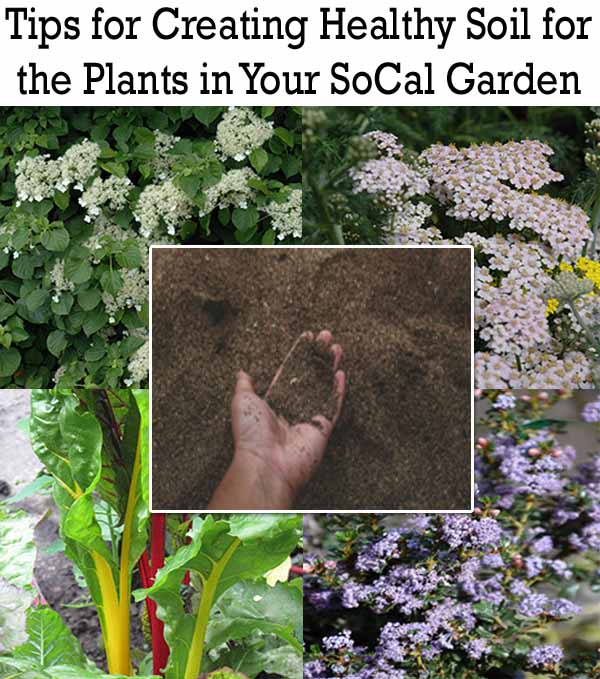
Some options for your mid-season ground covers include California buckwheat, California poppies, Coyote mint, yarrow, and lupine. Another option is planting leafy greens like spinach and Swiss chard, which do wonderfully in the “off” seasons, like winter in Southern California.
Make Your Garden Healthy with Help from Green Thumb Nursery
Are you a gardening novice? Are your plants in need of some expert care? Let Green Thumb Nursery help you create a happy and healthy garden for the enjoyment of your family. Let’s plant your winter vegetables, choose a shade tree for your front yard, or get your next flower bed ready for new plants. We’re here with all the information you need to have fun gardening.
Do you like what you see? Sign up for our weekly newsletter to get content like this every week!
CLICK HERE TO SIGN UP!