
Newsletter Articles
Getting Your SoCal Garden Ready for Spring Vegetable Planting
Written by Kelsey W.
The winter in Southern California is the perfect time to explore your garden and prepare for all of the planting and springtime activities you’ll get to enjoy in the spring when you officially start your vegetable garden.
Many vegetables are quite easy to grow and will thrive in almost any conditions, but doing a little bit of prep work in your garden before you plant your vegetables can help you grow some amazing fruit this growing season.
If you have some free time on a weekend afternoon this winter, you’ll want to think about accomplishing some simple SoCal garden prep work that will make your future vegetable garden plants super happy. Let’s go over some projects for your wintertime garden prep.
Choose a Place for Your Vegetable Garden
If you don’t already have an established area where you like to grow your vegetables each year, the first step in creating a great home for your future vegetables is finding the perfect place for them to grow. In virtually every case, the best area to grow your vegetables will be wherever they can get at least six to eight hours of sunlight per day.
Take note of where the sun will pass over in the sky as the months pass by and the seasons change to spring and summer. The sun will start to migrate toward the north, so north-facing walls will get more sunlight than usual, but they probably still won’t get enough sunlight for vegetables. Choosing a sunny spot for your sun-hungry vegetables will always help you grow your biggest and happiest yields.
Prepare the Growing Area
You’ll probably need to take care of a few projects in the ground where you intend to grow your vegetables, especially if you haven’t had anything growing there or haven’t been paying attention to the area for a few months. The biggest task will usually be weeding, or you might need to remove some old plants from last year.
Remember that you don’t need to dispose of your old plants; however, you can turn them into mulch by chopping them into smallish pieces and adding them to the soil. While you can technically turn weeds into mulch just like your old vegetable plants, those old weeds can actually grow back if any of them have created seeds, so be wary about turning any invasive or weedy plants into mulch.
Unless your soil is ferociously hard-packed clay and you’ve never done any planting in the area before, you don’t need to break your back aerating the soil and moving around all the dirt. In the winter, you only need to move it around a little to introduce some oxygen and prepare it for the spring. The dirt will handle everything it needs to on its own, especially if you remove the weeds and give it a nice, thick layer of compost.
Tip: The less you till your soil, the harder it will be for future weeds to grow there. As long as you’re able to dig a hole for each of your vegetables, you don’t need to dig too deeply into the soil in the surrounding area. Leave it a little packed and solid, and it’ll actually help prevent weeds or invasive plants from appearing in your garden. Just a few inches of aeration is plenty.
Consider a Drip Irrigation Line
Sometimes Southern California gets a healthy amount of rain in the winter, and sometimes we’re starved for weather systems. However, by the time we start planting our vegetable gardens, we’re often beyond the rainy season, and your newly planted vegetables will need additional water to grow well.
The best method for maximizing water while still giving your vegetables a healthy amount to drink is using a drip line. Not only can you set your drip line to run in the early morning during optimal watering time (eliminating the need for you to slog out of bed at the crack of dawn), but you can also ensure your plants get the exact amount of water they need to thrive without any waste or overwatering.
Nothing will wilt faster in the hot summer California sun than a vegetable plant that’s trying to grow big juicy fruit without a steady source of water to drink. Putting in a drip line before you bring your plants home is the easiest way to install it without having to reach around the plants as they’re growing.
Create a Calendar for Planting
Southern California’s weather does make it a very forgiving place when it comes to planting vegetables, but even so, it’s best not to completely ignore the preferred planting times for various vegetables. Yes, carrots will grow in the summer, but they’ll be happier if you plant them in the winter. Similarly, your leafy greens will have a happier start to life if they get into the ground early in the year.
However, vegetables like tomatoes, corn, and peppers love the heat, so there’s very little reason to put your tomato plants into the ground in January. They might not die if you put them into the ground that early, but they might not do any substantial growing for quite a while. Summer vegetables tend to grow quickly anyway, so don’t feel like you’re losing time if you plant them later in the year.
Advanced Soil Preparation and Testing
If you’re ready for the big leagues and want to create the absolute ideal environment for your vegetables, you may want to look into testing the pH of the soil before you plant. You can buy soil testers from your garden center that will tell you the pH of the soil, and you can use this information to determine whether to add fertilizer, compost, or other additives.
You don’t have to get overly complicated with the whole process, though. For the most part, vegetables like a neutral soil pH, which means you should get a reading on your soil tester of somewhere between 6.0 and 7.0. Anything higher than 7.0 is considered alkaline, and anything below 6.0 is considered acidic, and only certain plants like extraordinarily high or low pH readings.
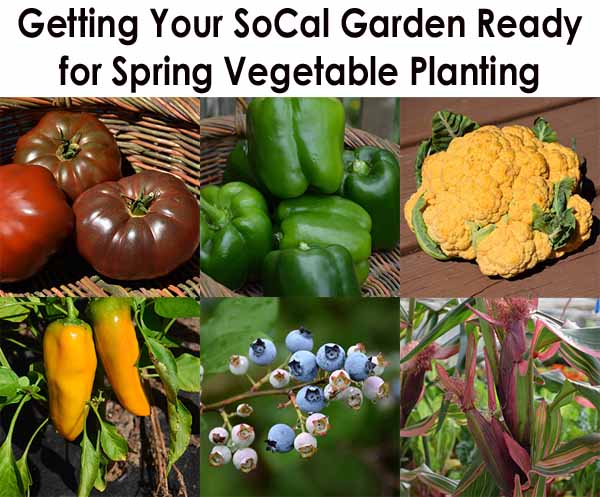
For example, blueberries are notorious for needing very acidic soil, much more than many other similar plants. They hate soil with a pH over 7.0, which means you may have to add things like elemental sulfur to lower the pH, so the blueberry plants can adequately absorb nutrients from the soil. Conversely, some crops do actually like alkaline soil, or a pH above 7.0, and you can always boost the pH for crops like asparagus, broccoli, and cabbage.
If you want to make things simple, you may want to look at all the crops you want to grow and make sure that the ones you’ll plant next to one another enjoy the same general pH level. For example, it wouldn’t make sense to plant blueberries next to broccoli when they like opposite sides of the pH spectrum.
A Note on Raised Beds
All of the steps you’ll take for preparing your vegetable garden are similar, whether you’re putting your plants into the ground or into a raised bed. The only difference during the preparation stage is that you may want to add more compost and mulch than you would to your ground-level beds. They benefit from additional nutrients because of the limited space available within the planter.
Additionally, once you have your plants in the ground, your raised beds will need more water than the beds in the ground because they usually drain and dry out faster than the ground-level soil. Simply checking the moisture level of the soil in your raised beds should help you determine how frequently you need to water them. You can also employ irrigation systems and drip lines in raised beds just as easily as you can in your ground-level beds.
Green Thumb Nursery is Here to Help You Grow a Beautiful Vegetable Garden
Is it time to put your tomato plants in the ground? Are you thinking about growing a new type of pepper plant this year? Do you want some expert advice on how to create a trellis for your climbing vegetables? Come to a convenient Green Thumb Nursery Southern California location for all the information you can handle on growing big, beautiful vegetables. Get all the details you need, whether you’re an expert gardener or a novice planter.
Do you like what you see? Sign up for our weekly newsletter to get content like this every week!